

By George Sahr Tengbeh
“They say no to our education, but yes to luxury trips”
Monrovia, August 2025. At the University of Liberia, students gathered under the scorching sun, clutching petitions and letters of appeal. Among them was David G., a final-year student in the Faculty of Social Sciences. His voice was raw with frustration: “We asked for $500,000 for books, laboratory supplies, and essential teaching materials. The Ministry of Finance said it was ‘off-budget.’
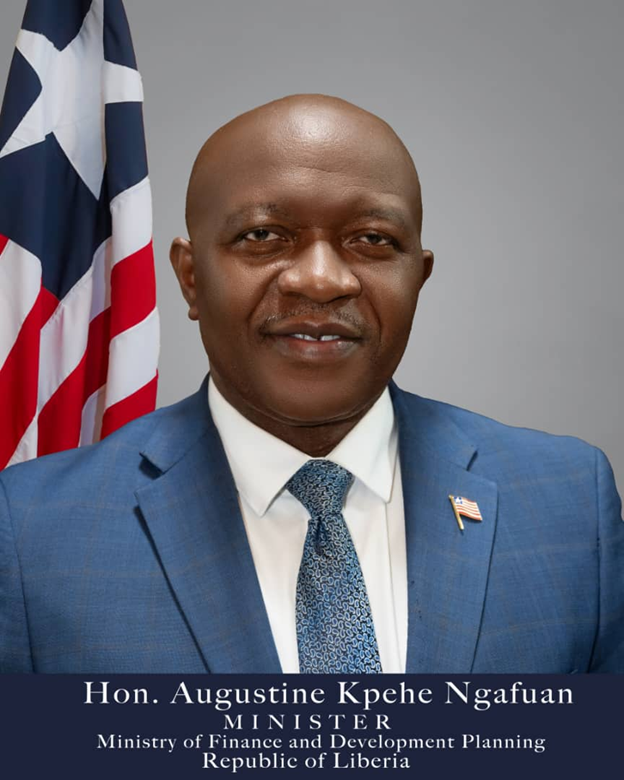
Meanwhile, they spent $400,000 for a football trip to Tunisia and even more for a delegation to Japan. Where are our priorities?” David’s sentiment echoes the anger of thousands of Liberian students, lecturers, and parents. The government, under Finance Minister Augustine Ngafuan, has been accused of double standards and selective justice in financial disbursements.
The Numbers That Sparked Outrage
- $500,000: Requested by the University of Liberia for essential academic funding; denied as “off-budget” and labeled a legislative violation.
- $400,000: Approved for a football delegation to Tunisia.
- $390,000: Off-budget expenditure for over 40 government officials to travel to Japan.
- $1 million: Requested for renovation by the University of Liberia but not delivered. Missing from University of Liberia accounts after allegedly disbursed by the Ministry of Finance but untraceable.
The contradiction is striking: when it comes to sports and luxury trips, rules are bent; when it comes to education, the nation’s foundation, rules are enforced stringently.
The Human Toll
In a cramped dormitory in the University of Liberia, students like David face empty classrooms, outdated textbooks, and labs without microscopes. One biology student whispered: “We have theory, but no practice. How can we graduate knowing the world has moved on?” Parents share the frustration. Elizabeth, who pawned her home to pay tuition, said: “I gave everything to see my son succeed. Now he tells me he may have to drop out because the money isn’t available.
I cannot understand this government. They fly people around the world, but can’t provide basic education here.” Lecturers, too, are affected. Many have not received promised research grants or classroom resources. Teaching becomes a struggle; innovation stalls. Morale drops, and some consider leaving the country for greener pastures.
The Minister Speaks
In a brief statement, Minister Ngafuan defended his actions, asserting that “all expenditures are subject to legislative approval”. Yet the public sees glaring inconsistencies. Off-budget funds were approved for non-essential luxuries, but requests critical to education are blocked. Civil society groups argue this is not merely poor budgeting; it is a systemic disregard for the priorities of the people.
Citizens Speak Out
At a town hall in Sinkor, Monrovia, citizens voiced their anger.
- David, student: “We are not asking for luxuries. We are asking to learn. The government bends rules for sports trips, yet denies our education. Who are they serving?”
- Korbo, parent: “How do you explain $1 million missing while we beg for our children’s future?”
- Jallah, lecturer: “We teach tomorrow’s leaders without tools. That is selective neglect.”
Social media amplified these voices. Hashtags like #EducationFirst and #WhereIsOurMoney trended nationwide, signaling broad dissatisfaction.
A Pattern of Misplaced Priorities
Financial analysis reveals a pattern: off-budget approvals for non-essential events often pass, while essential services like health, education, and research are delayed or denied. This selective justice has consequences beyond frustration.
It affects Liberia’s human capital development, undermines trust in governance, and risks eroding national growth.
Economist Samuel Tamba noted: “When a country spends millions on sports trips and luxury travel while starving universities, it is mortgaging its future for temporary prestige. Education is the foundation of development, neglect it, and the entire nation suffers.”
Missing Funds and Accountability
One of the most troubling aspects is the $1 million that University of Liberia accounts claim they never received. According to reports, the Ministry of Finance insists the funds were disbursed, yet no records prove their transfer. This raises pressing questions:
- Who authorized the transfer?
- Why can’t the university reconcile these funds?
- Has anyone been held accountable?
Without transparency, the public sees selective enforcement and impunity. When it comes to sports or luxury trips, the rules are flexible. When it comes to education, citizens are told to wait, beg, or accept denial.
The Emotional Cost
For students, the issue is not just numbers; it is lost opportunities, delayed graduations, and dashed dreams. For lecturers, it is frustration and moral injury. For parents, it is financial and emotional stress. Mary Johnson, a final-year science student, said: “We watch videos of officials traveling in comfort, and we study in labs without chemicals. Our dreams are treated as optional, but their trips are essential.” This selective justice is a betrayal of the nation’s young citizens, who invest their time, talent, and hope in education.
Needed Actions
Civil society, student groups, and education advocates are calling for immediate measures:
- Transparent auditsof all off-budget spending.
- Restoration of denied education funds, including urgent release of the $500,000.
- Clear reporting mechanismsfor missing funds, especially the $1 million discrepancy.
- Legislative oversightto ensure off-budget funds are used for priority sectors.
- Public accountability sessionswith Minister Ngafuan to answer citizen concerns.
Advocates argue that addressing these contradictions is not optional; it is a moral and governance imperative.
Closing Reflections
As the sun set over Monrovia, students gathered under the shade of a mango tree, reviewing their petitions and drafting letters.
Their eyes reflected both determination and despair. David G. summed up their collective frustration: “When the government bends rules for luxuries but denies education, it is telling us our future is optional. We will not remain silent. We will not accept selective justice. Education is the foundation of Liberia, and we demand it be treated as such.” The Liberian people are watching. The nation’s youth, its future leaders, are watching.
And the question remains: will accountability prevail, or will selective justice continue to govern Liberia’s priorities? Until answers are provided, the cries of students, parents, and lecturers will echo across the nation, a painful reminder that governance without justice is only an illusion.
About the author:
George S. Tengbeh is a Labour & Environmental Justice Advocate, researcher on climate change, and expert in Public Sector Management, Labour Economics & Policy, Governance, and Water Resource Management. He is the founder of the Liberia Labour and Governance Alliance (LILGA), a non-political civil society organization dedicated to exposing unfair labour practices and promoting good governance.
Contact me: Email: gstengbeh@gmail.com | 📞 Tel|Whatsapp: +231 880 767 070

