

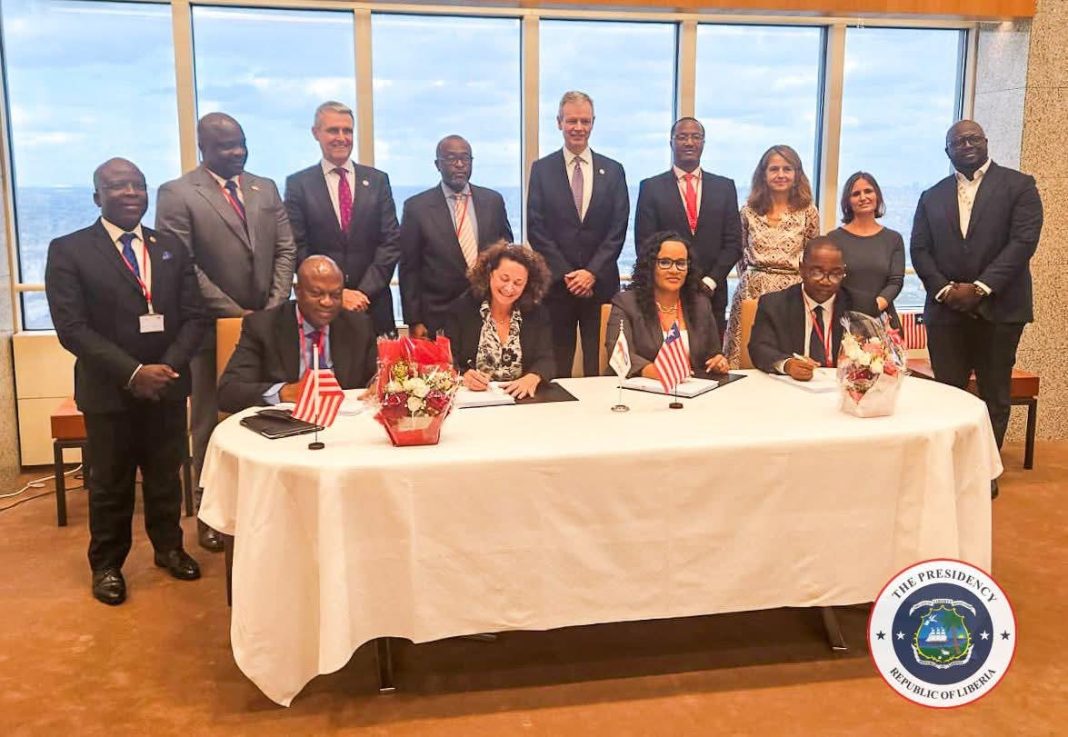
Liberian authorities agreed oil exploration contracts with a multinational company for the first time in nearly 13 years to develop the West African nation’s hydrocarbon industry.
President Joseph Boakai Wednesday hailed the signing of Production Sharing Contracts between the Liberia Petroleum Regulatory Authority and French energy major TotalEnergies covering four offshore blocks in the Liberian Basin,
Boakai said the deal is pivotal step to revive the country’s dormant oil and gas sector.
The agreements finalized between LPRA and TotalEnergies must still be signed by the President and ratified by the National Legislature before exploration and development can proceed.
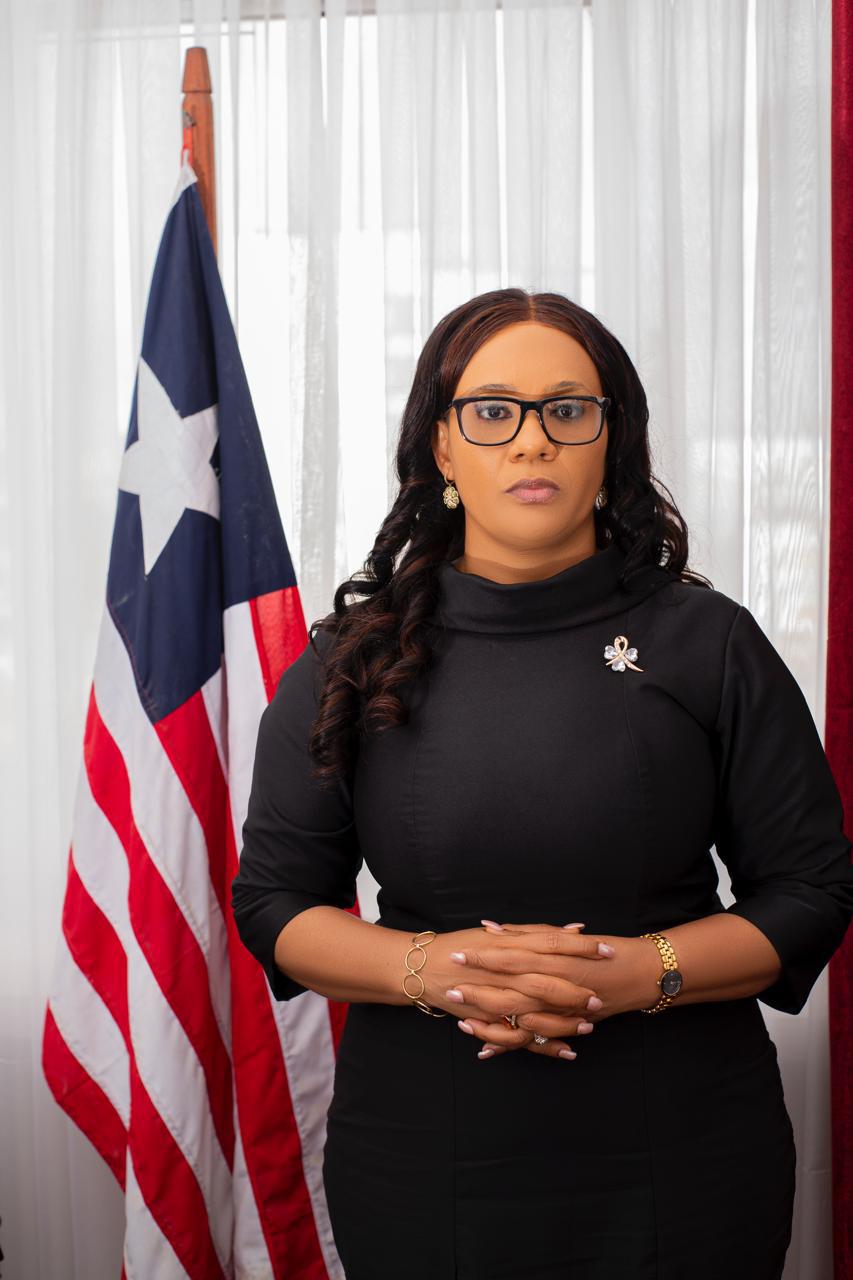
President Boakai said his administration is prepared to sign the contracts and transmit them to the legislature for public scrutiny and ratification, a move he framed as the culmination of a year-long push to attract “world-class” energy investment.
“These agreements demonstrate that this pledge is bearing fruit,” Boakai said, referencing a 2024 invitation to international energy companies and his administration’s commitment to creating a reliable, rules-based investment climate “anchored in ethics, the rule of law, international best practices, and strict enforcement of contracts.”
Government officials credited the LPRA-led interagency negotiation team with securing the deal, and acknowledged contributions from the Ministry of Finance and Development Planning, the Ministry of Justice, the Ministry of Mines and Energy, the National Oil Company of Liberia (NOCAL), and the Special Presidential Committee on Oil & Gas.
The sale signals a potential end to a decade-long pause in Liberia’s offshore hydrocarbons activity and represents a re-entry into the global petroleum landscape, the President said.
TotalEnergies was described by the government as an operator with deepwater expertise, strong financial capacity and a record of responsible operations — attributes that Liberia said were essential to attract investment while safeguarding national interests.
Boakai emphasized that the administration intends to insist on rigorous safety and environmental standards, robust local content development, and transparent revenue management as conditions for exploration and eventual production.
“Our natural resources must deliver durable value for the Liberian people,” he said, adding that, if properly managed, the projects could strengthen the economy, create jobs, and develop skills for future generations.
Next steps hinge on the presidential signature and legislative ratification. If approved, the PSCs will unlock exploration activity in the Liberian Basin, but the timeline for seismic surveys, drilling or further investment commitments was not specified in the government statement.
The deal may also serve as a barometer for investor confidence in Liberia’s broader resource governance reforms and its ability to compete for large-scale offshore projects in West Africa, a region that has drawn increasing attention from international oil firms in recent years.
Prior to the TotalEnergies deal, one of Liberia’s last major PSC agreements was signed in 2013 with an ExxonMobil-led consortium.

