

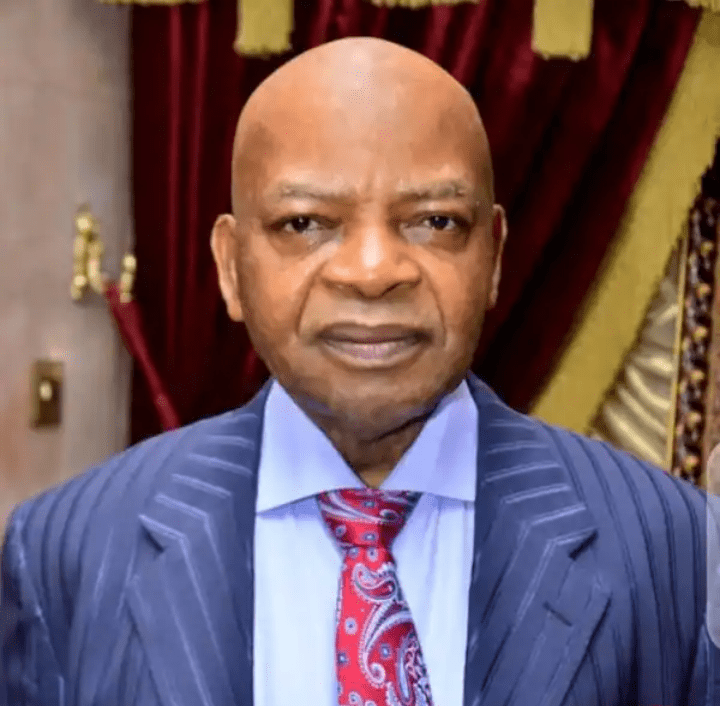
Liberia signs oil exploration license and production sharing contracts with Atlas/Oranto Petroleum, the privately held group controlled by Nigerian businessman Arthur Eze, reopening offshore acreage that was at the center of past controversy and raising fresh questions about governance in the country’s nascent oil sector.
President Joseph Boakai announced on Sept. 22 that exploratory rights for blocks LB-15, LB-16, LB-22 and LB-24 were granted to Atlas/Oranto in a ceremony held in Paris. The deals, described by the presidency as a milestone in reviving Liberia’s long-idled hydrocarbons industry, include a signature bonus of US$16 million and envisage roughly US$200 million of investment per block if exploration advances to development.
For investors seeking upstream opportunities in West Africa, the licenses represent potential access offshores oil properties. For many Liberians, however, the return of Oranto and its founder, Arthur Eze, a wealthy and highly visible figure in African oil — triggers memories of an earlier episode in which modest initial stakes were transformed into large downstream profits amid allegations of opaque deals and improper influence.
A checkered history
Liberia’s miniature resource boom dates back to the 1997-2003 presidency of Charles Taylor, currently serving prison terms for war crimes in the United Kingdom, when a survey conducted by a private company suggested oil lay off the Liberian coast. So, in early 2004, not even a year after the nation’s 14-year period of civil war ended, the government began marketing offshore properties for oil exploration.
Four properties, or blocks, each extending about 20 miles offshore, lie between the capital Monrovia and Buchanan, the nation’s second largest port city. Two oil companies, Oranto Petroleum Limited and Broadway Consolidated PLC, negotiated production-sharing contracts with the National Oil Company of Liberia (NOCAL).
Essentially, Oranto and Broadway acted as middlemen; their contracts allowed them to sell oil exploration rights to international oil giants for millions of dollars — but first those contracts had to be ratified by the Liberian legislature. They were submitted to lawmakers for approval in 2006, and that’s when money allegedly started changing hands.
Public records and investigative reporting later showed complex transfers of those rights — transactions that critics argued enabled middlemen to capture outsized returns.
One widely reported case involved the sale of a Liberian block ultimately acquired by ExxonMobil, a deal that prompted scrutiny from campaign groups and references in an auditor-general’s report that said the original allocation process had been “compromised by bribery and influence peddling.”
Campaigners and some observers have labeled intermediaries who flipped small initial investments into large payouts as “oil flippers.” Reports from international media and watchdogs documented scenarios in which blocks changed hands through rapid, multi-party transfers, with allegations that opaque arrangements and political connections obscured fair value for the Liberian state.
Safeguards
In announcing the new contracts, the Boakai administration framed the move as consistent with a broader growth agenda and pledged strict oversight. “Our goal is to ensure that Liberia’s resources are managed with transparency and responsibility,” the president said, adding that the contracts would be implemented with environmental protections, strong local participation and clear accountability. By law, the PSCs must be submitted to Liberia’s National Legislature for ratification before they take full effect.
Financially, the terms on paper could mark a significant inflow if exploration progresses signature bonuses, exploration expenditure commitments and potential future production-related revenues would all bolster state coffers that have long been stretched. The estimated US$200 million per block referenced in the presidency’s statement suggests a material capital program if drilling and seismic work proceed.
Yet the deal also revives market integrity concerns. Anti-corruption campaigners warn that renewal of ties with a company tied to past contentious transactions could deter international partners wary of reputational and legal risk, complicate due diligence, and increase the political cost of future commercial agreements.
For Liberia, a country that has received substantial international aid and that has worked to rebuild institutions after conflict, perceptions of opacity in extractive deals could blunt the developmental benefits of any discoveries.
What happens next
The PSCs will go to the Liberian legislature for review and ratification. That parliamentary scrutiny is likely to be a focal point for both proponents who underscore potential jobs and investment, and critics who demand transparency around the allocation process and any legacy arrangements connected to earlier transfers of rights.
Oranto portrays itself as an established African exploration group with licenses across the continent. In the announcement, the company’s involvement was presented as a vote of confidence in Liberia’s readiness to engage credible investors.
But given the company’s history in Liberia and the international attention previous transactions attracted, the coming weeks or months will test the administration’s ability to demonstrate clear, documented safeguards and to secure public and parliamentary trust.
Observers say the outcome will have consequences beyond the immediate contracts: it could influence Liberia’s ability to attract partner capital on favorable terms and shape how future natural-resource revenues contribute to national development rather than benefiting intermediaries.

