

Prof. Kettehkumuehn E. Murray, PhD
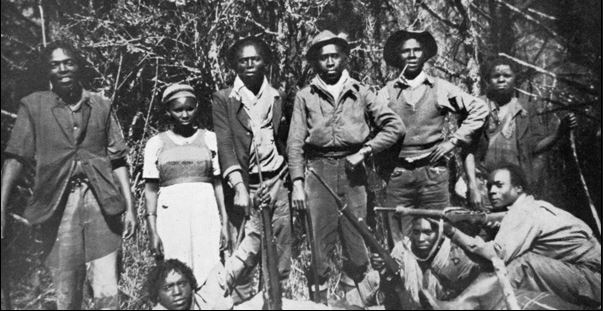
IN ALL OF AFRICA’S DEEPEST STRUGGLES, music has been a constant and faithful companion. From South Africa’s resistance to apartheid, to Ghana’s march toward independence, Nigeria’s pro-democracy movements, and Kenya’s Mau Mau liberation struggle, music stood at the center of the people’s cry for freedom.
Music fueled the independence movements of the 1950s and 60s.
Even when political parties were banned, their songs could not.
Even when leaders were jailed, their songs walked freely among the people, urging, leading them on.
Liberia, too, carries its own soundtrack of political awakening.
When the masses rose up against the Americo-Liberian hegemony in 1980, they chanted the defiant “Country woman born soja…”
And later, as the excesses of Samuel K. Doe’s rule stretched from Gbarnga to Zwdru, the people cried out:
“Krahn monkey come down — teo, teo, teo…”
These chants—earthy, raw, unfiltered—became the people’s way of resisting what they could not safely confront.
Song became their shield; chants became their signal.
Across the Atlantic, African Americans carried this same inheritance from Africa. Music again became the soft power—a silent weapon marching beside them.
You may ask: What is it about music that carries such unstoppable energy?
What are these euphonious vibrations that can shake mighty structures before crowds with no weapons, no armies, no wealth?
Ask me, and I confess: I don’t know.
Even scientists remain baffled.
This mystery is not Africa’s alone.
Even Gandhi’s India leaned on devotional songs—bhajans and spiritual hymns—to steady the hand of nonviolence.
Today, in rallies from London to Seoul, from New York to Johannesburg, “We Shall Overcome” still rises.
But this one thing I know:
There is a God who sits high yet looks low—who vetoes the schemes of evil men and upholds His own agenda of rights, justice, and righteousness.
Asè.
May it be so; And so shall it be. The Ancestors are wise.

