

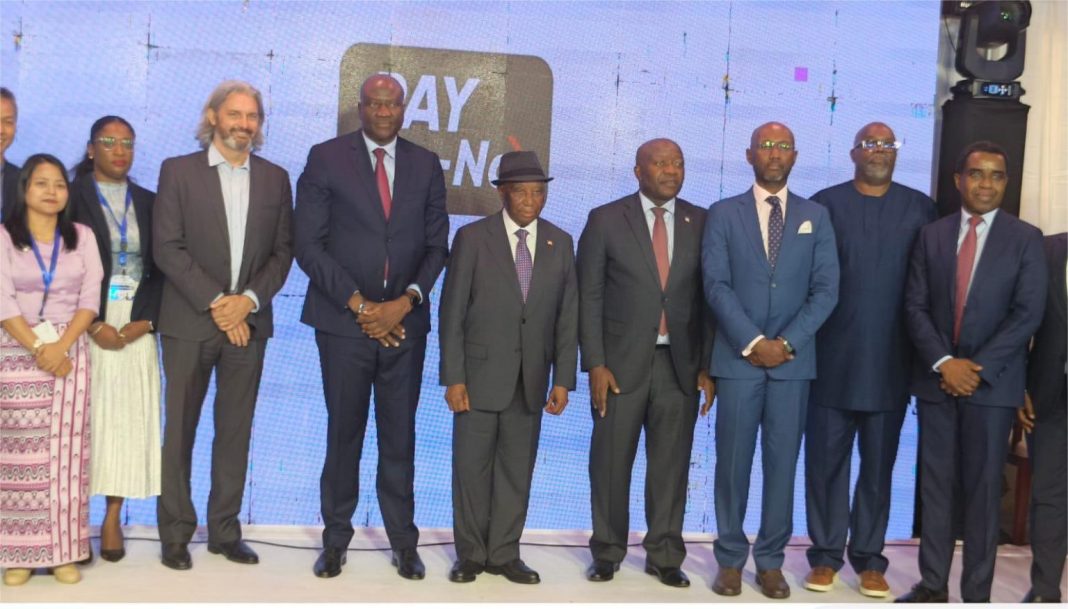
Liberia has stepped onto the global financial stage with renewed vigor, as Finance Minister Augustine Kpehe Ngafuan and Central Bank Governor Henry F. Saamoi represented the nation at a high-stakes African Constituency Group 1 Meeting during the 2026 IMF/World Bank Spring Meetings in Washington, D.C.
The gathering held April 13–18, brought together finance ministers, central bank governors, investors, and development experts from across Africa to confront mounting global economic uncertainty and chart strategies for transforming the continent’s economies.
Discussions zeroed in on accelerating economic transformation, strengthening fiscal resilience, and creating jobs for Africa’s rapidly expanding population. With more than 1.5 billion people today and projections topping 2.5 billion by 2050, the urgency of reform and employment creation looms large.
Multilateral estimates underscore both promise and peril: sub-Saharan Africa is among the fastest-urbanizing regions globally, yet faces debt vulnerabilities, infrastructure gaps, inflationary pressures, and climate shocks. Rising borrowing costs, energy market volatility, and geopolitical tensions further complicate the path forward.
For Liberia, participation in these talks signals a deliberate push to amplify its voice in international financial diplomacy. Minister Ngafuan has held bilateral meetings on the sidelines, exploring avenues for development financing and deeper cooperation with multilateral institutions and investors.
Liberia’s economy, though showing gradual recovery through mining, agriculture, services, and public investment, continues to wrestle with inflation, unemployment, and infrastructure deficits. By engaging at this level, the country seeks not only financial support but also recognition as a committed partner in shaping Africa’s collective economic future.
Within the World Bank’s governance system, African nations are organized into constituencies that coordinate policy positions and advocate financing priorities. Group 1 provides a platform for smaller economies to amplify their voice in decisions on concessional lending, debt frameworks, climate finance, and structural reforms.
Such meetings are vital for countries like Liberia, enabling them to influence global policy debates that directly affect their development trajectory.
This year’s Spring Meetings carried the theme of “Translating Policy into Prosperity,” with emphasis on jobs, growth, water security, energy access, food systems, and digital transformation. The World Bank stressed that stronger policies and partnerships must deliver measurable outcomes, not just lofty commitments.
For Liberia, the summit was more than symbolic. It reinforced the nation’s determination to pursue sound economic management, regional cooperation, and inclusive growth at a time when African countries are striving to build stronger institutions and diversified economies.
As global uncertainty intensifies, Liberia’s active role in Washington underscores its ambition to secure financing, attract investment, and position itself within Africa’s broader transformation agenda. The presence of Ngafuan and Saamoi at the table is a reminder that Liberia, though small, is intent on shaping its destiny in the corridors of global economic power.

