

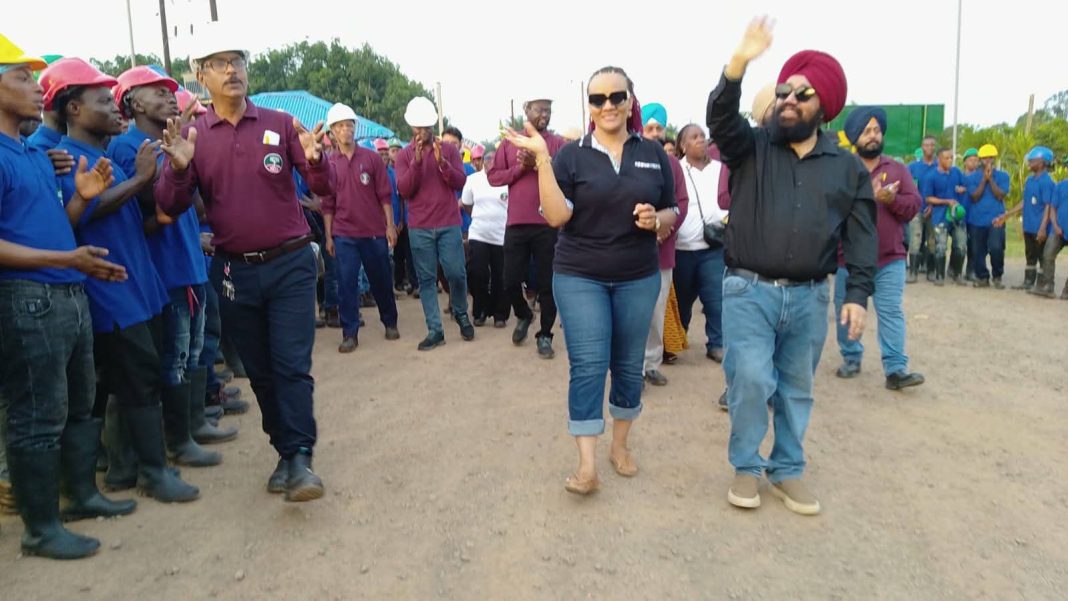
The sun had not yet burned off the morning mist when Madam Marilyn T. Logan Jetty stepped onto the red-dust road that winds through District #5 in Margibi County.
It was April 25, 2026 — a day framed by celebration and obligation: the continuing observance of her husband’s 60th birthday and a chance, she said, to be where the rubber trees meet the people whose labor sustains the plantations.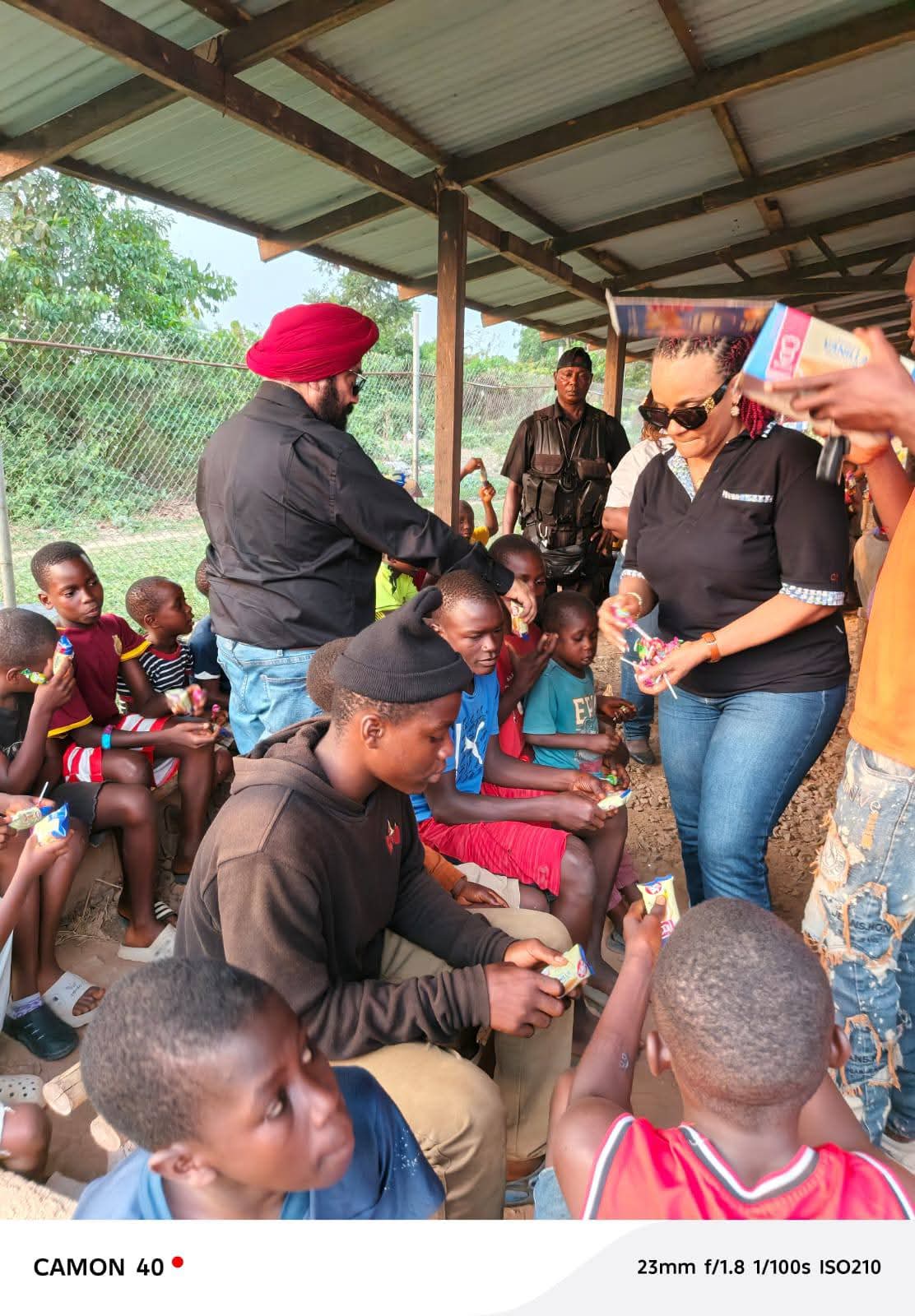
Madam Logan moved through camp and township with the easy authority of someone who knows both boardroom schedules and the rhythms of plantation life.
She spoke with workers under the shade of rubber trees, walked past rows of modest houses in Camp 6, and sat for a short time with women in Nyankai Town.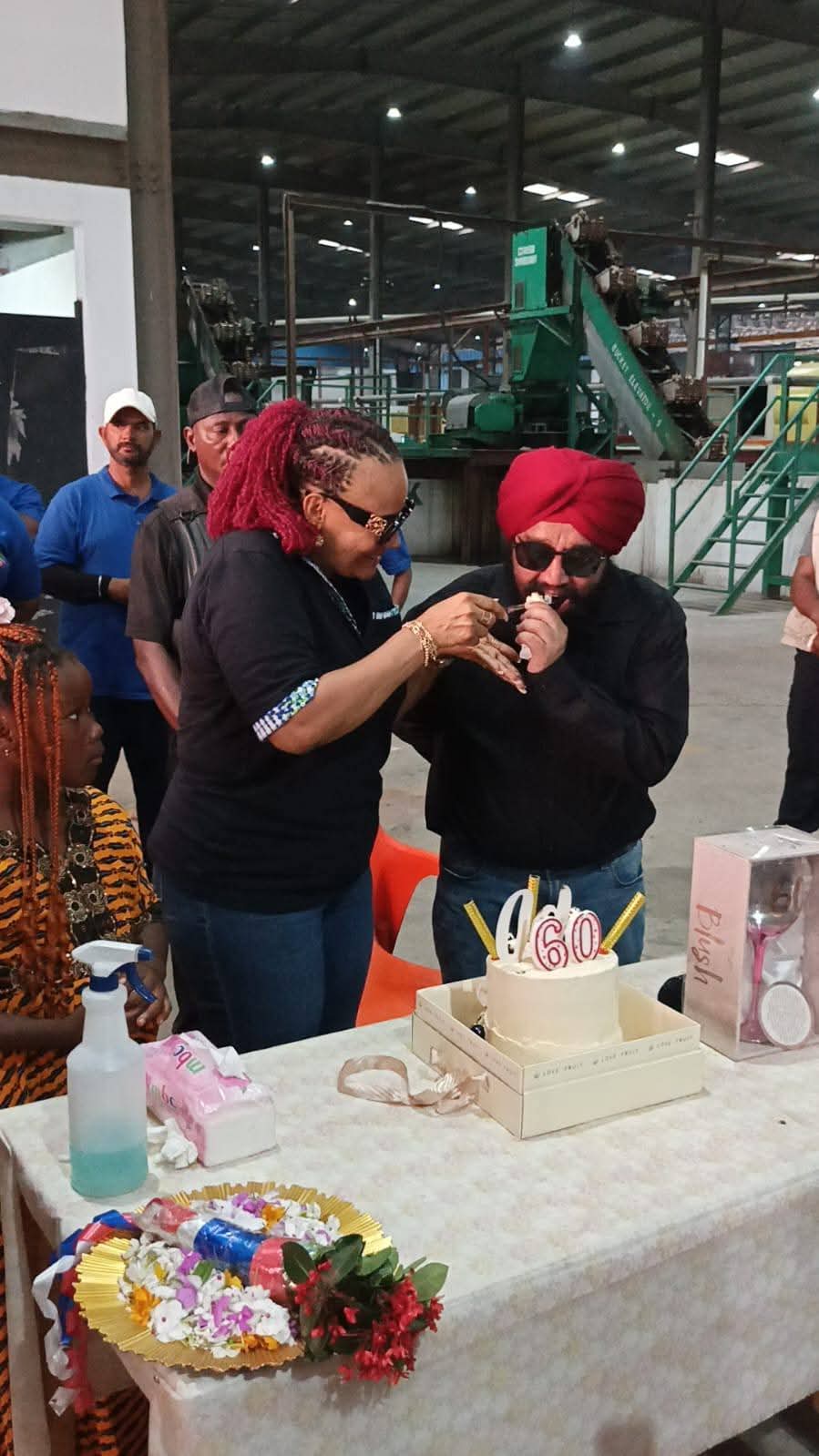
Her message was simple and practical: investment must translate into better lives for Liberians on the ground.
In Gborplaye Town she listened to the soft, persistent needs that so often go unaddressed, then set a clear promise: a palava hut would be built as a communal space for meetings and gatherings.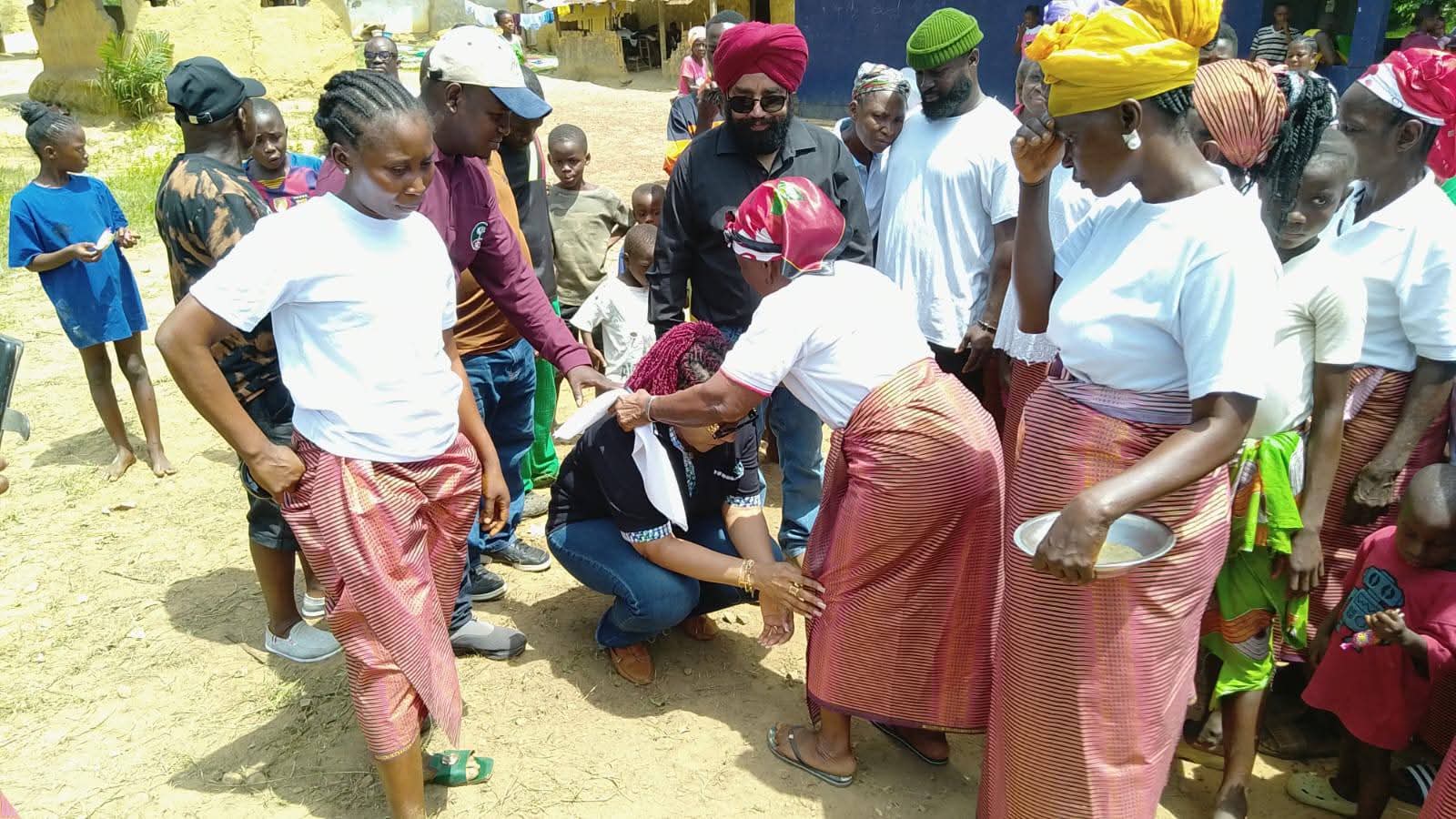
She also arranged immediate medical care for Oldma Bundo, a resident ill for several years — a small but urgent intervention that signaled the humanitarian tone of the visit.
Nyankai Town was next. Madam Jetty pledged to print uniforms for the women’s group there and expressed a desire to join them — not as a spectator but as someone seeking solidarity. In Camp 2 she repeated a commitment to construct a modern palava hut for workers, underlining the importance of shared spaces where communities can organize, celebrate and access services.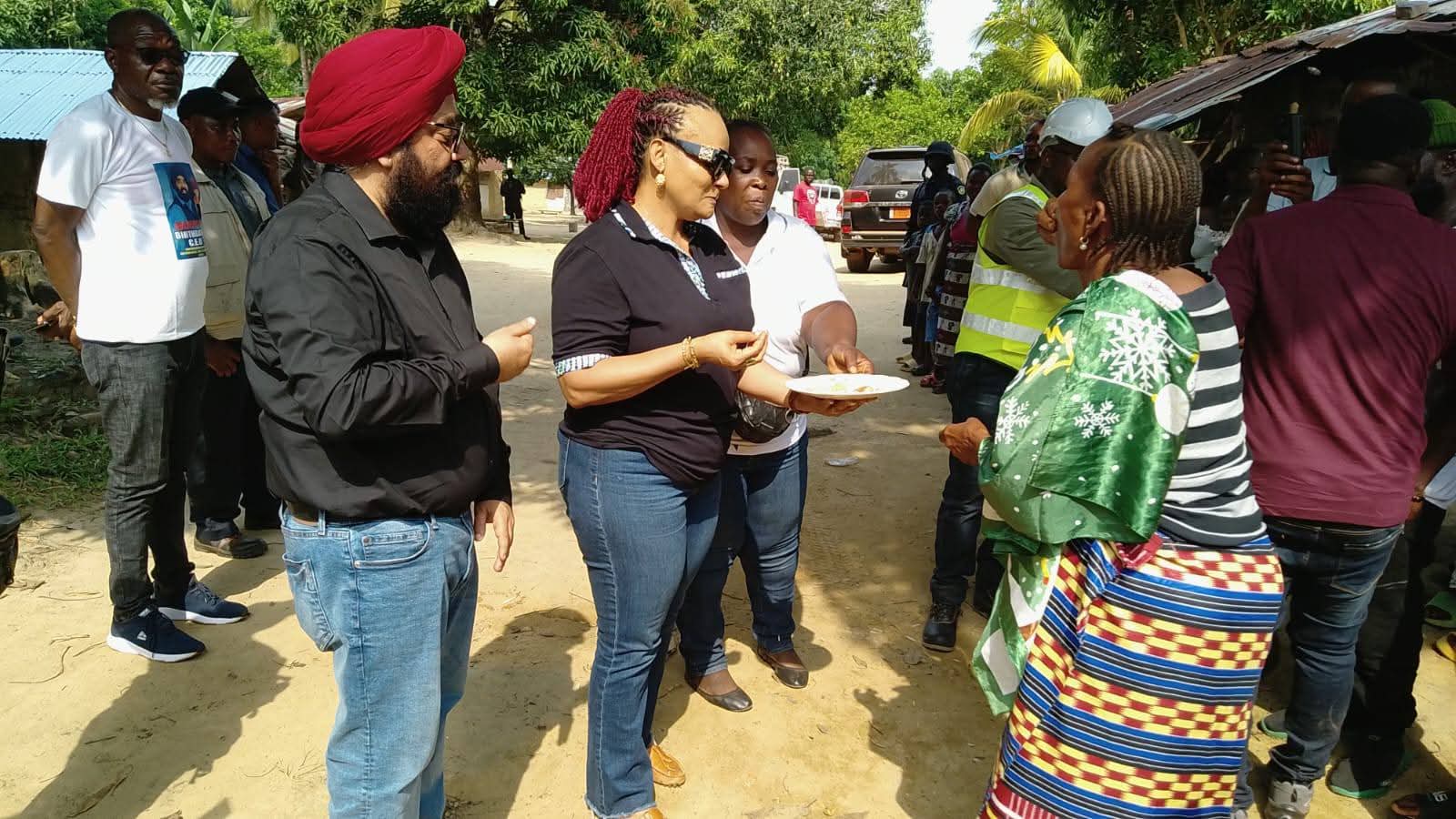
Camp 6 carried particular weight. As the first established camp on the plantation, its worn buildings and tired facilities stood as a visible reminder of the plantation’s owenrs care for humanity.
Standing before a group of residents, Madam Logan announced plans — backed by her husband, she said — to renovate the camp’s housing and infrastructure. “Workers deserve better living conditions,” she declared, framing the pledge as an ethical imperative rather than a charitable afterthought.
Her visits were not only promises in words. Across the plantations she distributed the equivalent of LRD 500,000 to various community initiatives and gave USD 10 to each worker of Jetty plantation — gestures that were welcomed for their immediacy.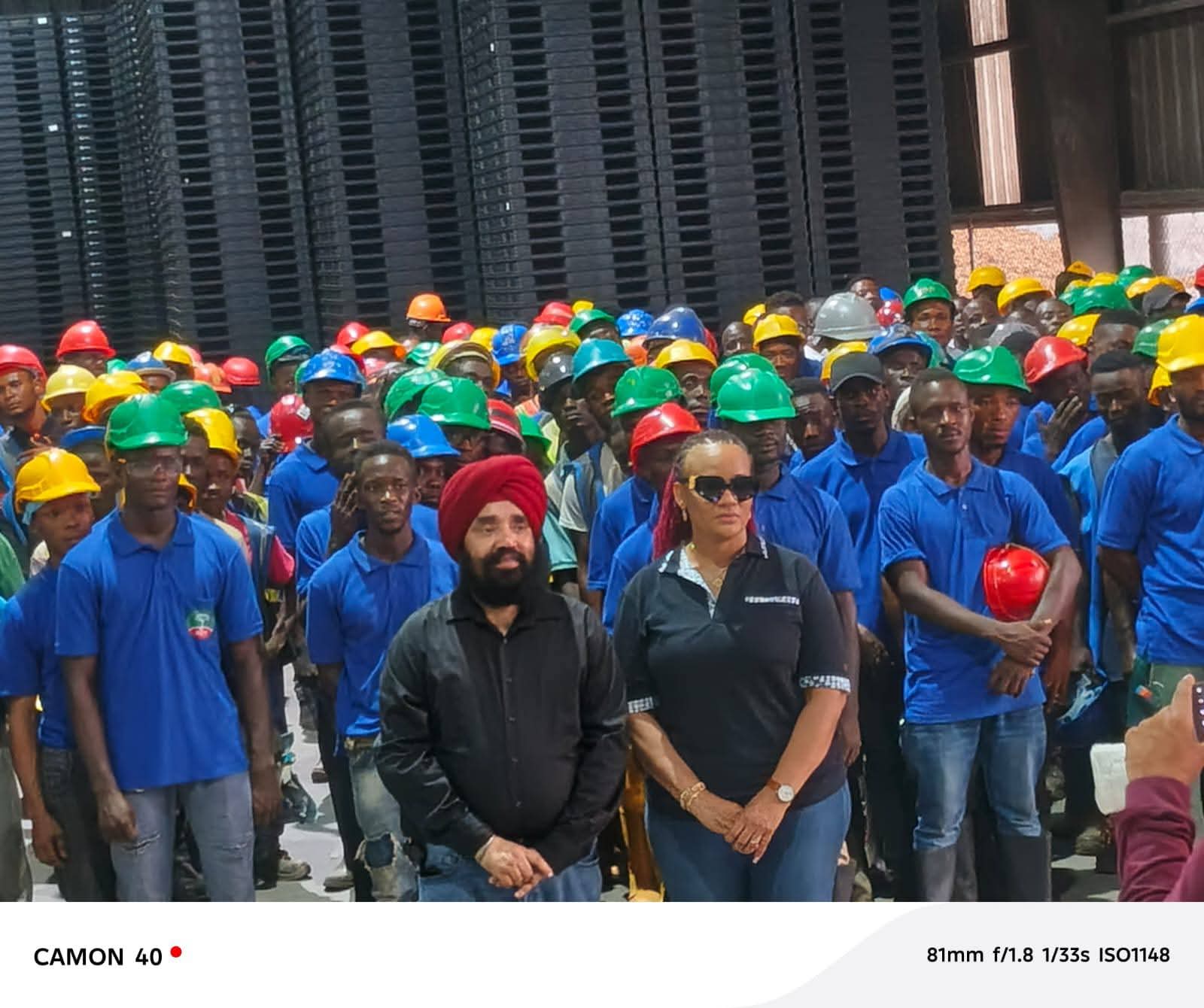
She also pledged LRD 100,000 to women in Dwalue Village to seed employment support, a targeted effort intended to foster small-scale economic activity.
What gave the day an added dimension was the personal framing Madam Logan used in addressing residents. As a Liberian and a member of the Bassa community being partner to an Indian entrepreneur, she emphasized that the investments her husband has made in Liberia belong to Liberians.
That line — part assertion of belonging, part reassurance — landed with many in attendance, reinforcing a narrative of stewardship and shared responsibility.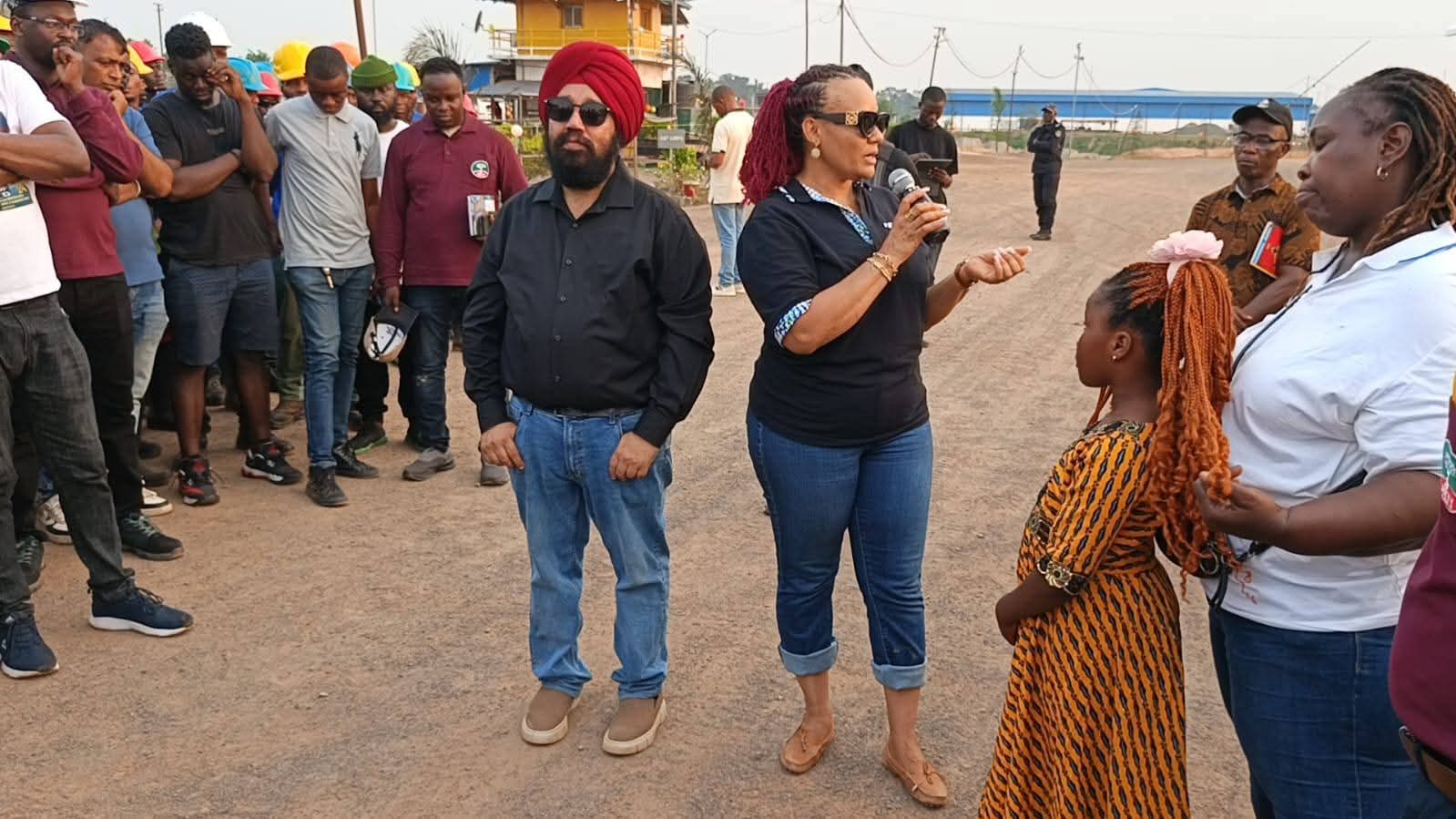
Reactions across the plantation were mixed with gratitude and cautious hope. Community leaders thanked Madam Logan for the pledges and the direct medical help for Oldma Bundo; workers appreciated the small cash gifts and the promise of renovations, while reminding visitors that commitments must be followed by sustained action.
The visit, staged around a personal milestone, read like an occasion to bridge two worlds: the corporate ownership and the everyday life of plantation communities.
– By Margibi reporters network/ social media sources

