

By Henry Gboluma — Gbarpolu County
BOPOLU CITY — Outrage is mounting in Gbarpolu County as citizens demand answers over tens of thousands of dollars in forest benefit funds that, according to official records, were allocated but never reached the communities they were meant to serve.
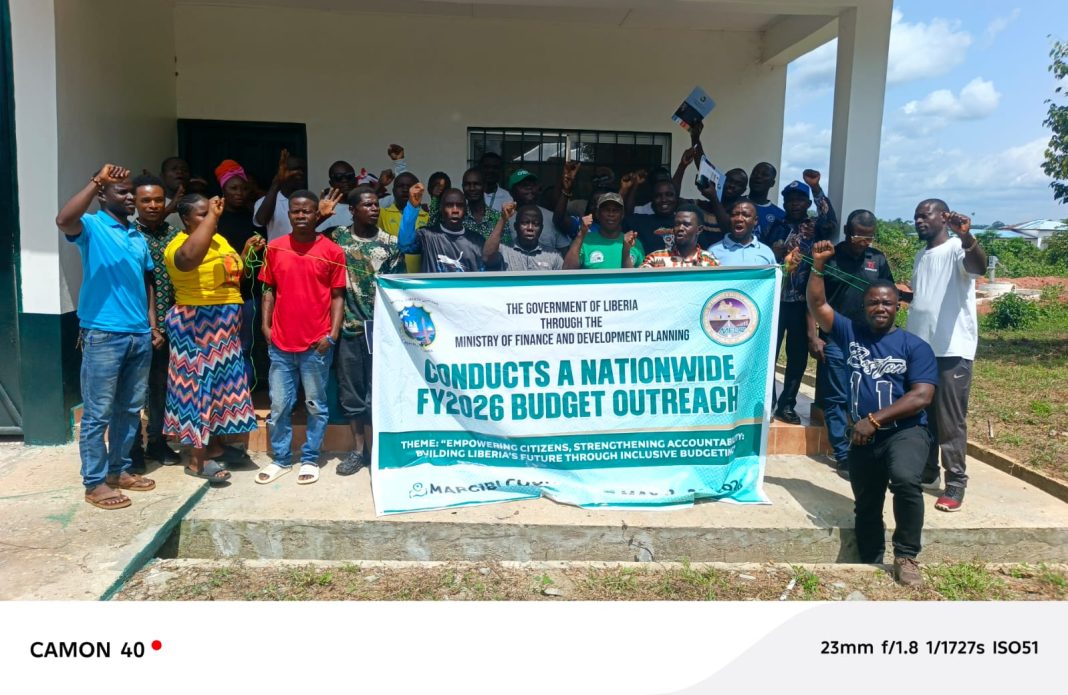
The controversy erupted during a budget forum on Wednesday, May 13, 2026, organized by the Ministry of Finance and Development Planning (MFDP) under its Open Budget Initiative. Local leaders, community members, and county officials gathered in Bopolu City to scrutinize the national budget and its impact on Gbarpolu’s development. What they discovered left many stunned.
County Council Co-chair Lydia Ballah revealed that USD 61,196 had been earmarked for Gbarpolu under the Forest Benefit Sharing Agreement. Yet, she said, “many people in the county have not seen or benefited from the money.” Her statement sparked heated debate among residents who accused the central government of neglecting communities living near forest concession areas.
Under Liberia’s 2006 National Forestry Reform Law, Forest Management Contracts (FMCs) guarantee affected counties and communities a share of financial and social benefits. These include 30 percent of land rental fees paid to the National Benefit Sharing Trust Board (NBST), direct community payments from timber sales, and negotiated social infrastructure projects such as schools, clinics, and roads. But in Gbarpolu, citizens say promises have not translated into reality.
“The money is supposed to build schools, clinics, and roads,” one participant lamented. “Instead, our communities remain in hardship while the funds vanish into thin air.”
The frustration deepened when residents raised questions about the Western Cluster Social Development Fund, valued at USD 520,000. Citizens claimed the county has not received a cent of this funding since 2025. Carolyn M. Myers, Technical Focal Point in the Office of the Deputy Minister for Budget and Development Planning, acknowledged the grievances and pledged to report them to the Ministry for follow-up. “I will report the issue back to the Ministry,” she assured.
Despite the anger, the forum also shed light on Gbarpolu’s proposed USD 4.3 million county budget. Highlights include USD 2 million for paving streets in Bopolu City, USD 150,000 for the Kpayeakwelleh Town road project, and allocations for schools, health services, and broader county development programs. Several participants welcomed these plans, particularly the long-awaited road projects, but insisted that transparency and accountability must accompany every dollar.
The MFDP team promised to carry citizens’ concerns to national leadership, emphasizing that the Open Budget Initiative aims to strengthen trust between government and communities. Still, skepticism lingers. For many in Gbarpolu, the missing forest funds symbolize a broader failure of governance — one that leaves resource-rich counties impoverished while their wealth fuels national coffers.
As the dust settles from the fiery forum, one question remains unanswered: Where is Gbarpolu’s forest money? Until the funds are delivered, residents vow to keep pressing for justice, demanding that promises made under the law be honored in practice.

