

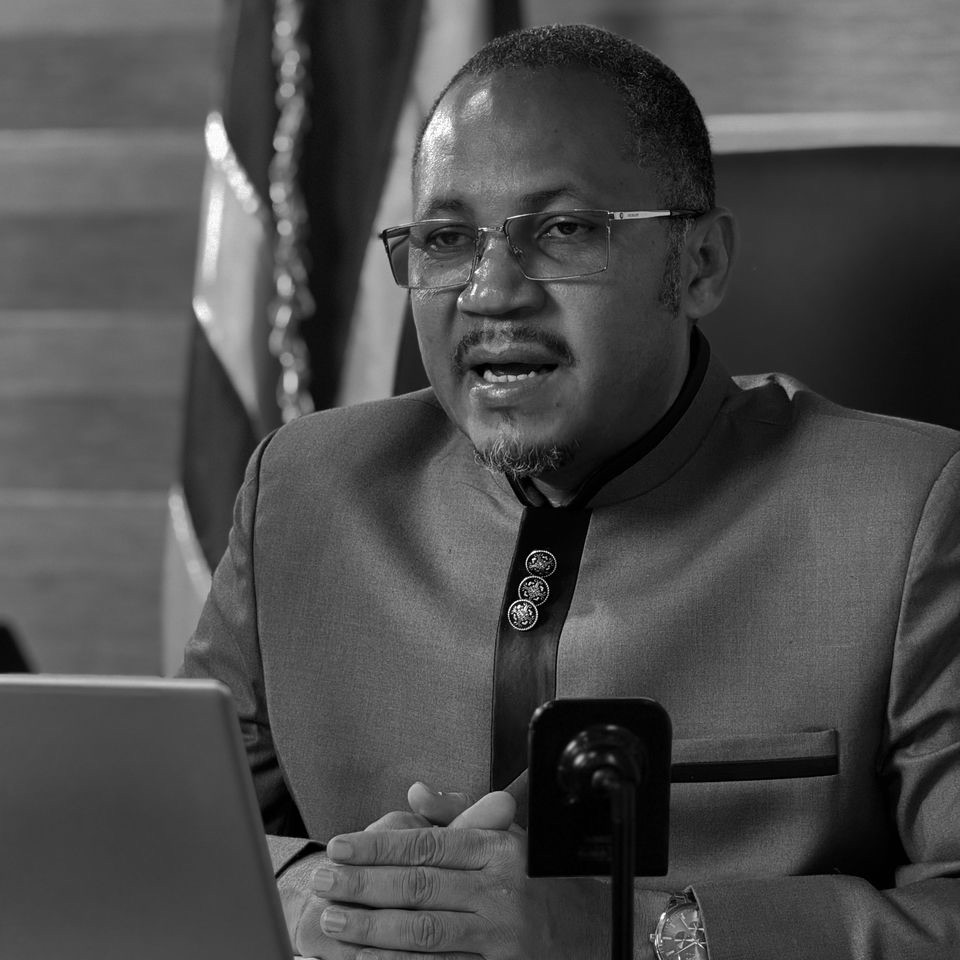
In a dramatic turn on Capitol Hill, the House of Representatives has summoned the Managing Director of the Liberia Water and Sewer Corporation (LWSC), Mr. Mohammed Ali, to face lawmakers over controversial public statements on water access and revenue collection. The move, decided during Thursday’s 4th Day Sitting of the 2nd Quarter of the 3rd Session, underscores mounting tensions between Liberia’s legislative watchdogs and the state utility charged with delivering one of life’s most basic necessities.
The summons was triggered by communications from Nimba County Representatives Taa Wongbe (District #9) and Musa Hassan Bility (District #7), who demanded clarity on Ali’s recent remarks during media engagements. According to Ali, more than 17,000 homes in Monrovia are connected to running water, 76% of Liberia’s population has access to “basic water supply,” yet over 53% of users fail to pay their bills.
These statements, though seemingly optimistic, have ignited fierce public debate. Lawmakers argue that the figures blur the line between “basic access” and reliable service delivery. Citizens, meanwhile, question whether the statistics reflect lived realities in communities where taps run dry for weeks and water trucks remain the lifeline.
The House’s decision to summon Ali reflects broader anxieties about the sustainability of LWSC operations. With more than half of consumers reportedly defaulting on payments, legislators fear the corporation may be teetering on financial instability—jeopardizing both public health and national development.
Liberia’s struggle with water infrastructure is not new. The LWSC, established in 1973, was envisioned as a cornerstone of modern urban development. Yet decades of civil conflict, economic collapse, and chronic underinvestment left the system in ruins. By the early 2000s, Monrovia’s once-functional pipelines had largely disintegrated, forcing residents to rely on hand pumps, wells, and unsafe surface water.
International donors, including the World Bank and USAID, have poured millions into rehabilitation projects since the end of Liberia’s civil wars. Progress has been uneven. While some neighborhoods in Monrovia now enjoy piped water, vast swathes of the country remain dependent on rudimentary sources. The United Nations has repeatedly flagged Liberia’s water crisis as a barrier to achieving Sustainable Development Goal 6: universal access to clean water and sanitation.
Against this backdrop, Ali’s claims of 76% national coverage appear bold—if not contentious. Lawmakers insist that such pronouncements must be backed by hard evidence and transparent definitions. Is “basic access” a functioning household tap, or merely proximity to a communal pump? And how sustainable is a system where more than half of consumers evade payment?
Water access in Liberia is more than a utility issue—it is a matter of survival. Cholera outbreaks, diarrheal diseases, and sanitation challenges have historically plagued communities without reliable supply. For lawmakers, ensuring accountability at LWSC is not just about numbers; it is about safeguarding public health, restoring trust in government institutions, and charting a path toward sustainable national growth.
As Ali prepares to face the House on Tuesday, the nation watches closely. Will his testimony reassure lawmakers and citizens alike, or will it expose deeper cracks in Liberia’s fragile water infrastructure?

