

Abstract
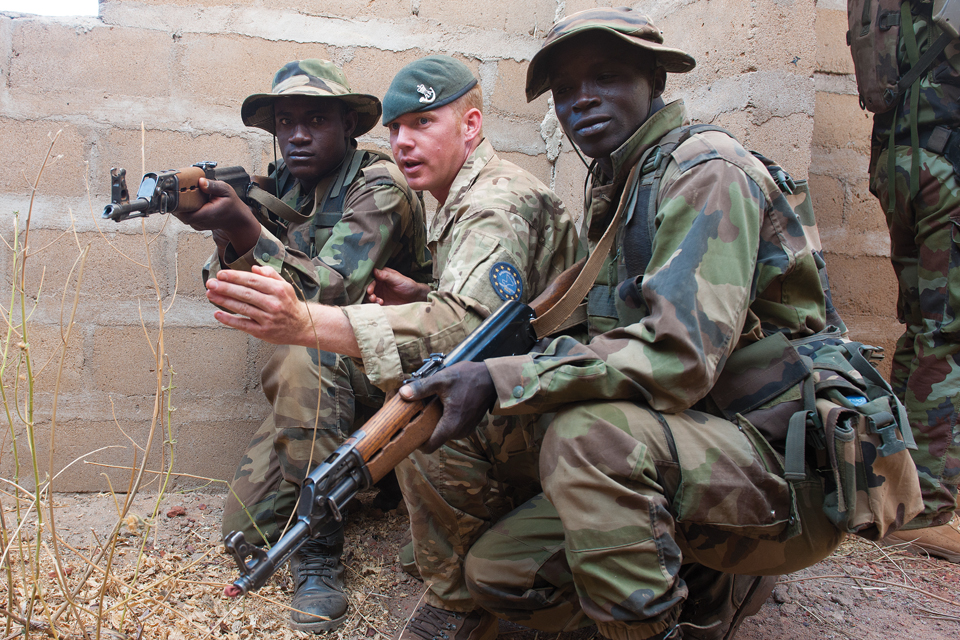
Weapon handling in law enforcement remains one of the most sensitive and critical components of policing and national security. In Liberia, the issue of weapon risk handling has become increasingly significant due to the nation’s historical experiences with civil conflict, the proliferation of small arms, and the ongoing challenges of police reform and professionalization.
This article examines the risks associated with weapon handling among law enforcement officers in Liberia from a criminological perspective. It explores the legal, operational, institutional, and ethical dimensions of firearm management within the Liberia National Police (LNP) and other security institutions.
The article further analyzes the causes of accidental discharges, excessive use of force, poor weapons storage, inadequate training, and weak accountability mechanisms. Drawing upon criminological theories, international policing standards, and Liberia’s security realities, the study proposes policy recommendations aimed at improving firearm safety, professional conduct, public trust, and effective risk management within Liberian law enforcement agencies.
Keywords: Law enforcement, weapon handling, criminology, Liberia National Police, firearm safety, use of force, security management, police reform.
Introduction
Weapons handling in law enforcement is a matter of life and death. Police officers are entrusted with firearms to protect society, enforce laws, and maintain peace and security. However, improper weapon handling can result in accidental shootings, unlawful killings, injuries, psychological trauma, and the erosion of public trust in law enforcement institutions. In post-conflict societies such as Liberia, the risks associated with weapons handling are even more pronounced due to the legacy of armed conflict, weak institutional structures, and the widespread circulation of small arms and light weapons.
Following fourteen years of civil conflict, Liberia underwent significant security sector reforms supported by the United Nations, ECOWAS, and international partners. Despite these reforms, concerns continue to emerge regarding reckless firearm discharge, accidental shootings, misuse of force, and inadequate weapons control among law enforcement officers.
This article examines the concept of risk handling of weapons in law enforcement within the Liberian context. It explores the historical background of firearms in Liberia, theoretical explanations of weapon misuse, operational risks, institutional weaknesses, and strategies for improving firearm safety and accountability. The paper adopts a criminological approach that links law enforcement behavior with broader social, institutional, and legal frameworks.
Historical Background of Weapons in Liberia
The history of weapons in Liberia cannot be separated from the country’s civil wars between 1989 and 2003. During this period, thousands of firearms circulated among armed groups, militias, child soldiers, and civilians. The collapse of state authority contributed to the normalization of weapons possession and violence within society.
After the end of the civil war, the Liberian government, with international assistance, implemented a disarmament, demobilization, rehabilitation, and reintegration (DDRR) program. Security institutions, including the Liberia National Police and the Armed Forces of Liberia, were restructured and retrained.
However, despite these reforms, the legacy of conflict continues to influence contemporary policing. The widespread familiarity with firearms among former combatants, combined with economic hardship and institutional weaknesses, creates an environment where weapon misuse remains a security concern.
The Liberia National Commission on Arms has repeatedly warned against reckless firearm discharge by security officers and emphasized the need for strict firearm regulation and accountability.
Conceptual Framework of Weapon Risk Handling
Weapon risk handling refers to the systematic identification, assessment, control, and management of risks associated with the possession, carrying, storage, and use of firearms by law enforcement personnel.
Risk handling involves several dimensions:
Physical safety risks, Legal risks, Operational risks, Ethical risks, Institutional risks, and Community relations risks.
Effective weapon risk handling requires discipline, continuous training, psychological preparedness, legal understanding, and accountability.
The United Nations Basic Principles on the Use of Force and Firearms emphasize that law enforcement officers should apply nonviolent means before resorting to force and firearms.
Police and Human Rights Resources
Criminological Theories Relevant to Weapon Handling
Social Learning Theory
Social Learning Theory argues that behavior is learned through observation and interaction. Police officers who work in environments where reckless firearm use is tolerated may imitate such behavior.
In Liberia, young officers may learn improper weapon practices from senior personnel if institutional discipline is weak.
Routine Activity Theory
Routine Activity Theory suggests that crime occurs when a motivated offender encounters a suitable target in the absence of capable guardianship.
Poor firearm supervision, inadequate armory systems, and weak monitoring create opportunities for weapon misuse, theft, and accidental discharge.
Strain Theory
Strain Theory explains that frustration, stress, and pressure can lead individuals to deviant behavior.
Law enforcement officers facing poor salaries, stress, trauma, and difficult working conditions may experience emotional instability that affects their judgment in weapon handling.
Control Theory
Control Theory emphasizes that strong institutional regulations reduce deviant behavior.
Weak disciplinary systems within law enforcement agencies can increase the likelihood of firearm misuse and excessive force.
Categories of Weapon Risks in Law Enforcement
Accidental Discharge
Accidental discharge occurs when a firearm is unintentionally fired.
Research indicates that many accidental discharges occur during routine police activities rather than high-threat situations.
Common causes include:
Finger on trigger unnecessarily, Poor weapon maintenance, Inadequate training, Fatigue, and Stress.
Unsafe loading and unloading procedures
International firearm safety principles emphasize the importance of always treating firearms as loaded weapons.
Excessive Use of Force
Excessive force refers to the unlawful or unnecessary use of force by police officers.
In Liberia, concerns regarding police brutality and excessive use of force have occasionally emerged, particularly during arrests, protests, and election periods.
Liberian law allows police use of firearms only under limited circumstances involving serious threats to life or severe injury.
The Law on Police Use of Force
Weapon Theft and Diversion
Poor armory management can lead to weapons being stolen or diverted to criminals.
Risk factors include:
Corruption, Weak inventory systems, Poor supervision, and Lack of electronic weapon tracking
Weapon diversion contributes to armed robbery, organized crime, and political violence.
Psychological Risks
Police officers regularly experience trauma, stress, and emotional pressure.
Without psychological evaluation and counseling, emotionally unstable officers may misuse firearms during confrontations.
Mental health support remains limited within many African law enforcement institutions, including Liberia.
Community Trust Risks
Improper weapon handling damages public confidence in law enforcement.
Citizens may become fearful of police officers if incidents of reckless firearm discharge become common.
Public trust is essential for community policing and crime prevention.
Firearm Safety Principles in Law Enforcement
The internationally accepted firearm safety rules include:
Treat every firearm as loaded.
Never point a firearm at anything you do not intend to shoot.
Keep your finger off the trigger until ready to fire.
Be sure of your target and what is behind it.
These principles are foundational to modern law enforcement training.
The Liberian Legal Framework on Weapons Handling
Liberia regulates firearms through various legal instruments and security regulations.
The Liberian Penal Law outlines conditions under which deadly force may be used by police officers.
The Law on Police Use of Force
The Liberia National Commission on Arms also regulates civilian firearm possession and licensing.
However, challenges remain:
Weak enforcement, Inadequate training, Corruption, Political interference, and Lack of modern equipment.
The legal framework still requires stronger alignment with international human rights standards.
Operational Challenges Facing Liberian Law Enforcement
Inadequate Training
Many officers receive limited firearms training after recruitment.
Continuous professional firearm training is necessary to maintain competency and reduce risks.
Lack of Modern Equipment
Some law enforcement officers operate with outdated firearms and insufficient protective equipment.
The United Nations recommends the use of protective gear and less-lethal alternatives to minimize firearm dependence.
Poor Weapon Storage
Improper armory systems increase risks of theft and accidental access.
Secure storage systems should include:
Electronic inventory, Restricted access, CCTV monitoring, Regular audits.
Weak Accountability Mechanisms
Disciplinary systems are sometimes slow or ineffective.
Transparent investigations into firearm misuse are necessary to build public confidence.
Risk Management Strategies
Professional Firearms Training
Regular tactical and safety training should be mandatory.
Training should cover:
Weapon handling, Judgment shooting, Crisis intervention, De-escalation techniques, Human rights law, and Psychological Evaluation.
Periodic psychological assessments should be conducted for armed officers.
Officers exposed to traumatic incidents should receive counseling and stress management support.
Strong Armory Management
Modern armory systems reduce theft and misuse.
Recommended measures include:
Digital weapon registration, Ammunition tracking, Biometric access systems, Inventory inspections,and Community Policing.
Community policing improves trust between police and civilians.
Public confidence can reduce confrontational policing and minimize unnecessary firearm use.
Independent Oversight
Independent oversight institutions should investigate weapon misuse cases.
Transparency promotes accountability and professionalism.
International Best Practices
Countries with strong firearm management systems emphasize:
Continuous training, Strict accountability, Human rights compliance, Advanced technology, and Mental health support.
The United Nations Basic Principles stress proportionality, necessity, and restraint in firearm use.
Police and Human Rights Resources
Criminological Implications for Liberia
From a criminological perspective, poor weapon handling contributes to:
Fear of law enforcement, Reduced legitimacy, Increased violence, Public distrust, and Institutional corruption.
Professional weapon management enhances:
Rule of law, Public safety, Democratic governance, and Human rights protection.
Liberia’s post-conflict environment makes effective firearm risk management especially important.
Recommendations
Strengthen Firearm Policies
The Liberian government should modernize firearm regulations and ensure compliance with international standards.
Expand Police Training Academies
Training institutions should integrate advanced firearm safety and risk management programs.
Introduce Less-Lethal Weapons
Law enforcement agencies should adopt nonlethal alternatives such as tasers, pepper spray, and rubber bullets where appropriate.
Improve Officer Welfare
Better salaries, housing, and healthcare can reduce stress and corruption among officers.
Establish National Weapon Audits
Regular national weapon audits should be conducted within all security institutions.
Enhance Public Education
Citizens should be educated about firearm laws and responsible weapon ownership.
Conclusion
The risk handling of weapons in law enforcement remains a major issue in Liberia’s security and criminological landscape. Although Liberia has made significant progress in security sector reform since the civil war, challenges related to firearm misuse, accidental discharge, weak accountability, and inadequate training continue to threaten public safety and institutional credibility.
Effective weapon risk management requires a combination of professional training, legal reform, psychological support, institutional accountability, and community engagement. Law enforcement officers must understand that firearms are instruments of lawful protection, not tools of intimidation or abuse. From a criminological perspective, the proper management of
weapons is essential for reducing violence, strengthening the rule of law, and promoting sustainable peace in Liberia. As the country continues its democratic and security reforms, improving firearm safety and accountability within law enforcement institutions must remain a national priority.
About the Author
Apostle Dr. Tarpeh L. U-sayee, Jr. is a highly accomplished Liberian law enforcement professional, criminal justice scholar, police training expert, and ordained Apostolic minister with over two decades of combined experience in security services, higher education, leadership training, and ministry.
He currently serves as an Instructor with the Executive Protection Service (EPS) and the Liberia National Police Training Academy, while lecturing in Criminal Justice, Forensic Science, and Physical Education at several private universities in Liberia.
His professional career is distinguished by extensive international exposure, including advanced police and counter-terrorism training in the United States and Nigeria.
Dr. U-sayee holds a Doctor of Ministry (DMin) in Church Growth, a master’s degree in foreign service leadership (International Relations), a Master of Divinity, dual bachelor’s Degrees in Sociology and Criminal Justice, and an Associate Degree in Management.
As an Apostle, academic, and security practitioner, he integrates ethical leadership, faith-based values, and practical expertise to advance peacebuilding, institutional development, and the rule of law in Liberia.
References
Bayley, D. H. (2006). Changing the Guard: Developing Democratic Police Abroad. Oxford University Press.
Goldstein, H. (1990). Problem-Oriented Policing. McGraw-Hill.
Koper, C. S. (2005). Police strategies for reducing illegal possession and carrying of firearms.
Sage Journals
Liberia Penal Law (1978).
Liberia National Commission on Arms. Firearm licensing and regulation guidelines.
linca.gov.lr
Office of Justice Programs. Handling Firearms in Law Enforcement.
Office of Justice Programs. Managing Firearms Training Risks.
Reiner, R. (2010). The Politics of the Police. Oxford University Press.
Skolnick, J. H. (2008). Justice Without Trial. Wiley.
United Nations. Basic Principles on the Use of Force and Firearms by Law Enforcement Officials.
Walker, S. (2005). The New World of Police Accountability. Sage Publications.
Applied Ergonomics Journal. Toward a taxonomy of the unintentional discharge of firearms in law enforcement.

