

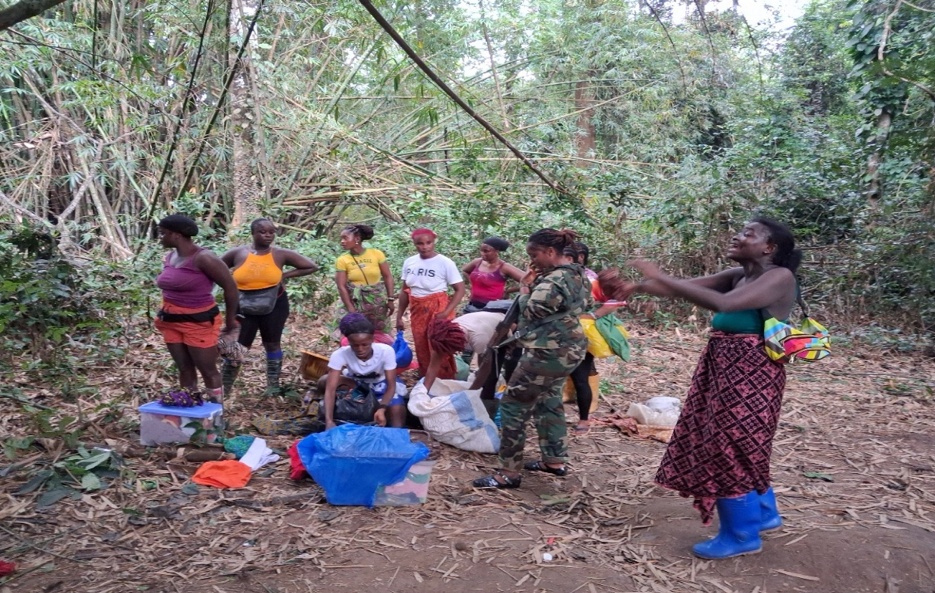
Liberia has strengthened enforcement against illegal mining and improved oversight of the country’s mineral resources. The move reflects growing concern across Africa over the economic, environmental, and security consequences of unregulated mining.
The Liberian government has launched a new body called the Protect Our Resources Taskforce (PORT), which has been created to strengthen inspections, combat illegal mining, and improve regulation of the country’s mining sector. The task force will oversee mining operations, enforce licensing requirements, monitor royalty payments, and ensure compliance with environmental and labour regulations.
Speaking at the launch, the Minister of Mines and Energy, Matenokay Tingban, described the initiative as a strategic shift toward intelligence-led enforcement, stronger institutional coordination, and responsible management of Liberia’s mineral resources.
According to Catholic news service, Agenzia Fides, the task force is intended to reduce illegal mining and gold smuggling while increasing public revenue and promoting sustainable resource management.
Illegal mining has expanded across West Africa, the Congo Basin, Southern Africa. Authorities across the continent have recently intensified enforcement efforts. Liberia’s action reflects a wider challenge affecting African countries.
Illegal gold extraction often relies on hazardous substances such as mercury, which pollute rivers and water sources. Its impact extends beyond the mining sector.
In Uganda’s Kanungu District, a recent gold rush prompted many residents to abandon farming for mining activities, disrupting agricultural production, contributing to local food shortages and forcing children out of school. Authorities eventually closed the site to restore order and address the social consequences
Illegal mining is also closely linked to broader regional security and economic concerns. The trade in gold and other strategic minerals is driven by strong international demands and is frequently associated with corruption, smuggling, and organised criminal networks.
In the Democratic Republic of Congo, control of rich mineral areas has become intertwined with armed conflict. Since the M23 rebel group’s capture of Goma in early 2025, several mining areas have reportedly fallen outside government control, with revenues from gold and other strategic minerals contributing to illicit trade networks. These developments illustrate how competition over Africa’s mineral wealth continues to affect both national stability and regional security.

