

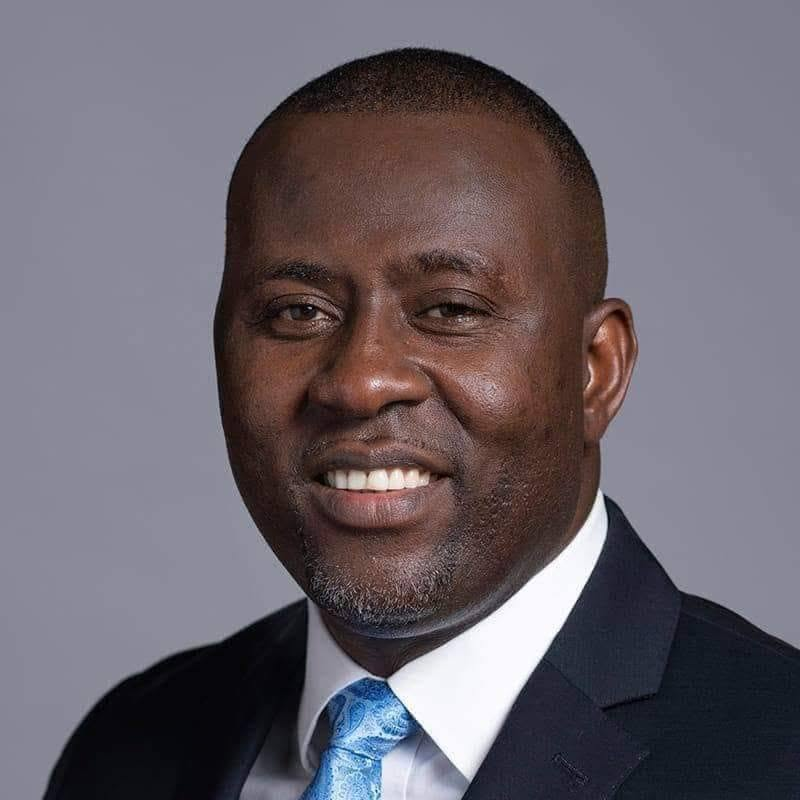
Former Foreign Affairs Minister Elias Shoniyin, now an assistant professor at Cuttington University and AME University, delivered a stirring message that framed the anniversary as both a celebration of resilience and a reckoning with history.
“This Independence Day must be more than remembrance,” Shoniyin declared. “It must be a call to national renewal.”
Founded in 1847, Liberia emerged as a bold experiment in Black sovereignty and self-determination at a time when colonial domination and racial exclusion defined global politics. Against extraordinary odds, the nation’s founding fathers enshrined principles of liberty, self-governance, and human dignity. President Joseph Jenkins Roberts, Liberia’s first head of state, spent months abroad seeking recognition for the fledgling republic, underscoring the sacrifices required to secure its place among nations.
Shoniyin described Liberia’s journey as one of “promise and paradox.” Once a beacon of African leadership, diplomacy, and education, the nation has also endured painful chapters of political exclusion, corruption, civil conflict, and institutional decay.
The scars of war and injustice remain etched in national memory. The reburial of President William R. Tolbert, Jr., his thirteen slain officials, and former President Samuel Kanyon Doe, Shoniyin noted, served as stark reminders that reconciliation requires courage — the courage to confront painful truths and pursue healing with sincerity.
“A nation that refuses to remember cannot truly heal,” he emphasized. “But a nation that remembers with wisdom can rebuild stronger.”
Today, Liberia’s citizens continue to grapple with poverty, unemployment, rising living costs, and limited opportunities. Families bear enormous burdens, while young people search for hope in an uncertain future. Yet amid these challenges, signs of renewal are emerging.
Efforts to restore public trust, strengthen governance, and promote accountability are gaining momentum. Infrastructure rehabilitation, economic revitalization, youth empowerment, and stronger engagement with international partners are reshaping Liberia’s trajectory. These initiatives, Shoniyin cautioned, must deepen and translate into tangible improvements in the lives of ordinary citizens.
He stressed that Liberia’s progress cannot be driven by government alone. It demands collective commitment from public officials, private sector leaders, civil society, religious institutions, youth, women, the diaspora, and every citizen who believes in the nation’s promise.
At 179, Shoniyin argued, Liberia stands at a defining crossroads. The choice is stark: remain prisoners of the past or become architects of the future. The call is clear — unity over division, integrity over corruption, service over selfishness, nation building over narrow interests.
“The future is not guaranteed, but it is ours to shape,” he said. “With courage, conviction, and purpose, the Liberian spirit — resilient and enduring — can lead the nation into its best days yet.”
As Liberia reflects on nearly two centuries of independence, the message resonates with urgency: the nation’s destiny lies not in nostalgia, but in renewal.

