

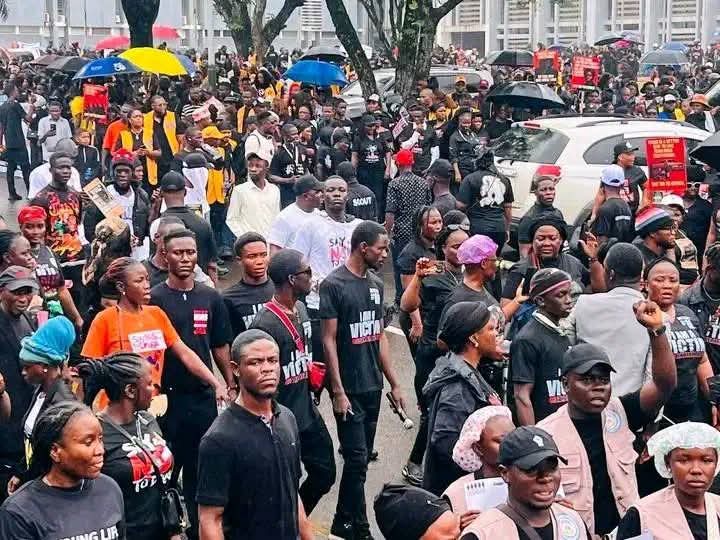
Liberian civil-society groups, youth activists and diaspora leaders plan to hold a peaceful mobilization in New York during the United Nations General Assembly in September, warning that the West African nation risks becoming a transit route for international narcotics trafficking.
The initiative, known as the Liberia Anti-Drug Global Action, will call for independent investigations into major cocaine seizures, stronger international cooperation and increased investment in drug treatment and prevention, according to a statement issued by Solidarity & Trust for a New Day, or STAND.
The groups say the campaign, which will coincide with the 81st session of the General Assembly will include public demonstrations, meetings with diplomatic missions and engagement with international organizations and advocacy groups.
Organizers also plan to submit a “Liberia Anti-Drug Accountability Memorandum” outlining their demands and proposed institutional reforms.
Liberian authorities in July reported seizing about 237.6 kilograms of cocaine, valued at more than $19 million, at Roberts International Airport in June, according to the statement. Weeks later, officials uncovered an operation in Duazon involving about 4.2 metric tons of cocaine, with an estimated value of $336 million, it said.
The organizers said the seizures underscore the need to investigate not only couriers and warehouse operators but also the financiers, organizers and international networks behind the shipments. They called for inquiries into whether security institutions had been compromised and whether political or business interests benefited from the alleged trafficking operations.
The allegations and the extent of any institutional involvement remain matters for authorities to establish through evidence and due process.
“We must not allow Liberia to become a safe haven, storage base, destination or transit corridor for international narcotics trafficking,” the consortium said in its statement.
The group is calling for cooperation among Liberia, neighboring countries, the Economic Community of West African States, United Nations agencies, Interpol and other international partners. It wants intelligence-sharing, financial investigations, forensic assistance, stronger border controls and specialized law-enforcement training.
The campaign also frames drug use as a public-health issue, calling for expanded prevention, treatment, rehabilitation, mental-health services, education and employment programs. It said people affected by addiction should not be addressed only through incarceration or punishment.
Organizers said Liberia’s Drug Enforcement Agency and other institutions need better equipment, investigative capacity and border-management systems, along with safeguards against corruption and political interference. They also urged authorities to “follow the money” by identifying businesses and intermediaries involved in laundering or transferring narcotics proceeds.
The action will be led by Alplato Chukpue-Padmore, a public-administration and project-management professional, and Marie Scott Wilson, founder of the Global Justice, Peace and Human Rights Advocacy Network. Titus B. Pakalah will coordinate youth mobilization and digital advocacy, while scholar and educator Samuel Jacobs will serve as spokesperson.
The consortium said the campaign is not directed against President Joseph Nyuma Boakai or any political party, arguing that Liberia’s drug crisis extends beyond the current administration. It nevertheless said the government has the primary responsibility for responding because it controls state institutions.
“Holding the government accountable is not partisan,” the group said.
STAND said the planned action is intended to turn international attention into measurable support for law enforcement, financial intelligence, rehabilitation services and institutional reforms. The group also said it supports law-enforcement officers who conduct seizures while seeking accountability for any corruption or criminal infiltration that may enable large-scale trafficking.
“Liberia’s future must not be surrendered to drugs,” the consortium said.

