

The American based Millennium Challenge Compact (MCC) has signaled strong intent to support Liberia’s ambitious labour transformation program, raising hopes for sweeping reforms in job creation, workplace safety, and wage protection.
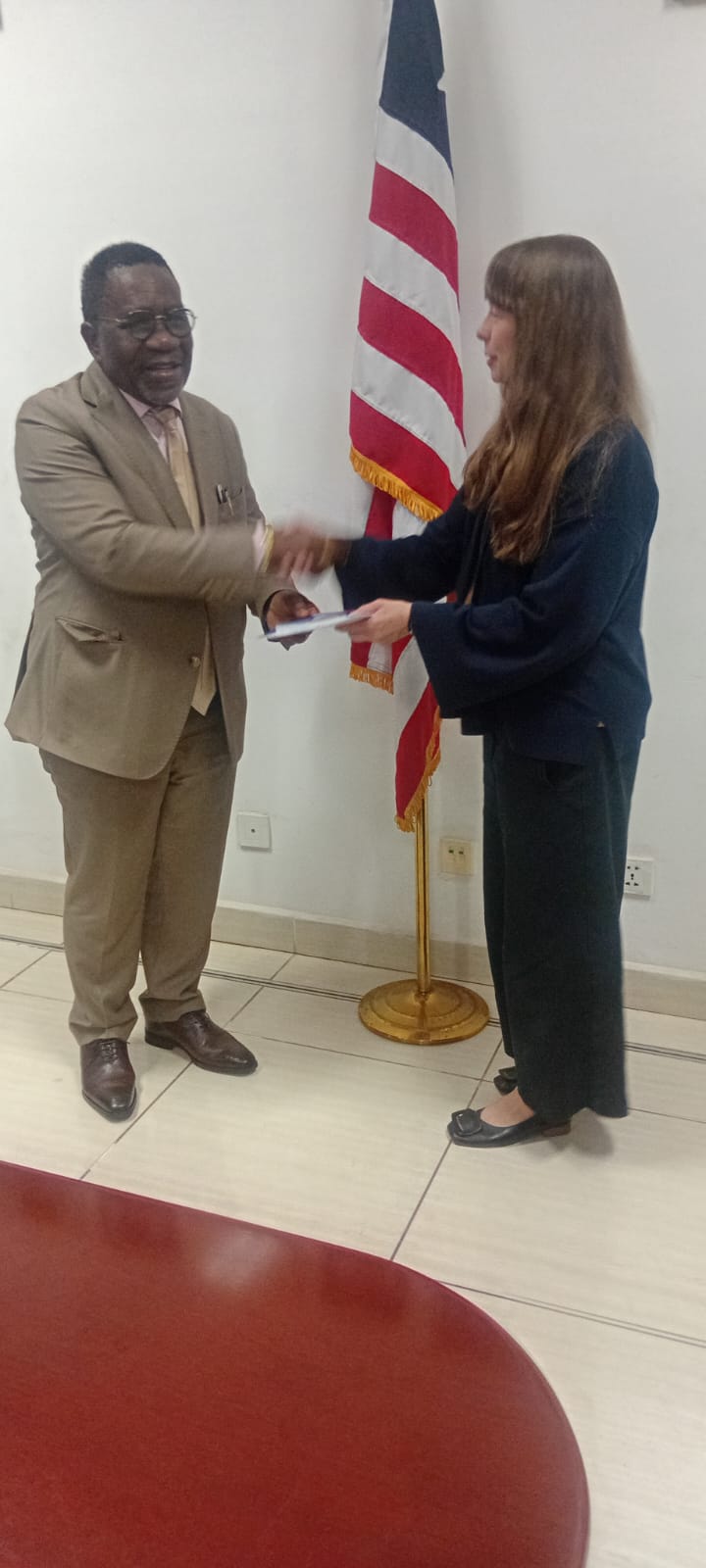
In a high level dialogue held recently at the Ministry of Labour, MCC Director Dr. Sarah Jones led a powerful delegation in hour long exchanges with Labour Minister Cllr. Cooper W. Kruah, Sr. and his senior team. The meeting, described by insiders as “a turning point for Liberia’s workforce,” centered on how MCC could provide direct financial and logistical backing to accelerate reforms already underway.
According to a press release issued over the weekend, the Labour Ministry presented MCC with detailed updates on several flagship initiatives. These included the reformed Alien Work Permit regime, the Annual Vacation Program in partnership with the Ministry of Youth and Sports, reinforcement of Occupational Health and Safety standards, and the ongoing nationwide debate by tripartite constituents on revising the Minimum Wage.
Minister Kruah assured the MCC delegation of government’s determination to overhaul the labour sector, protect private sector concessions, and raise the Minimum Wage to a level consistent with regional standards. He emphasized that Liberia’s workers deserve “dignity, fairness, and robust protection under a strengthened occupational health framework.”
The Minister further requested MCC’s direct support in enhancing workplace monitoring through advanced training for labour inspectors and health and safety officers deployed at major concessions across the country. To underscore the urgency, Kruah presented Dr. Jones with a copy of the Ministry’s Occupational Health, Safety, and Welfare framework.
In response, Dr. Jones commended the Ministry’s ongoing transformation efforts and pledged that MCC would “favorably review” Liberia’s requests. She highlighted MCC’s existing contributions to the government’s ARREST Agenda, particularly in energy and rural electrification, and encouraged the Labour Ministry to continue safeguarding decent labour environments — especially for foreign investors whose confidence is vital to economic growth.
The MCC delegation included senior consultants Hilary Proct, Lawrence Goldman (TVET), Simba Mangwengweme (Energy), and Aminor Yaya (Associate Director).
On the Liberian side, Minister Kruah was flanked by Deputy Ministers Othello P. Mansuo (Administration) and Steven Korlubah (Manpower Development), Assistant Ministers Rufus K. Freeman (Administration) and Jackson Worlubah (Labour Statistics), as well as directors from the Alien and Naturalization, Employment, and Labour Standards departments.
Observers note that MCC’s potential intervention could mark a watershed moment for Liberia’s labour sector. With unemployment and underemployment still widespread, direct international support may provide the resources needed to enforce workplace standards, expand job opportunities, and elevate workers’ economic security.
For Liberia’s struggling workforce, the stakes could not be higher. The promise of decent wages, safer workplaces, and stronger protections has long remained elusive. Now, with MCC’s backing, the Labour Ministry’s transformation agenda may finally gain the momentum to deliver tangible change.
As one senior official remarked after the meeting: “This is more than a partnership. It is a lifeline for workers who have waited too long for justice in the workplace.”

