

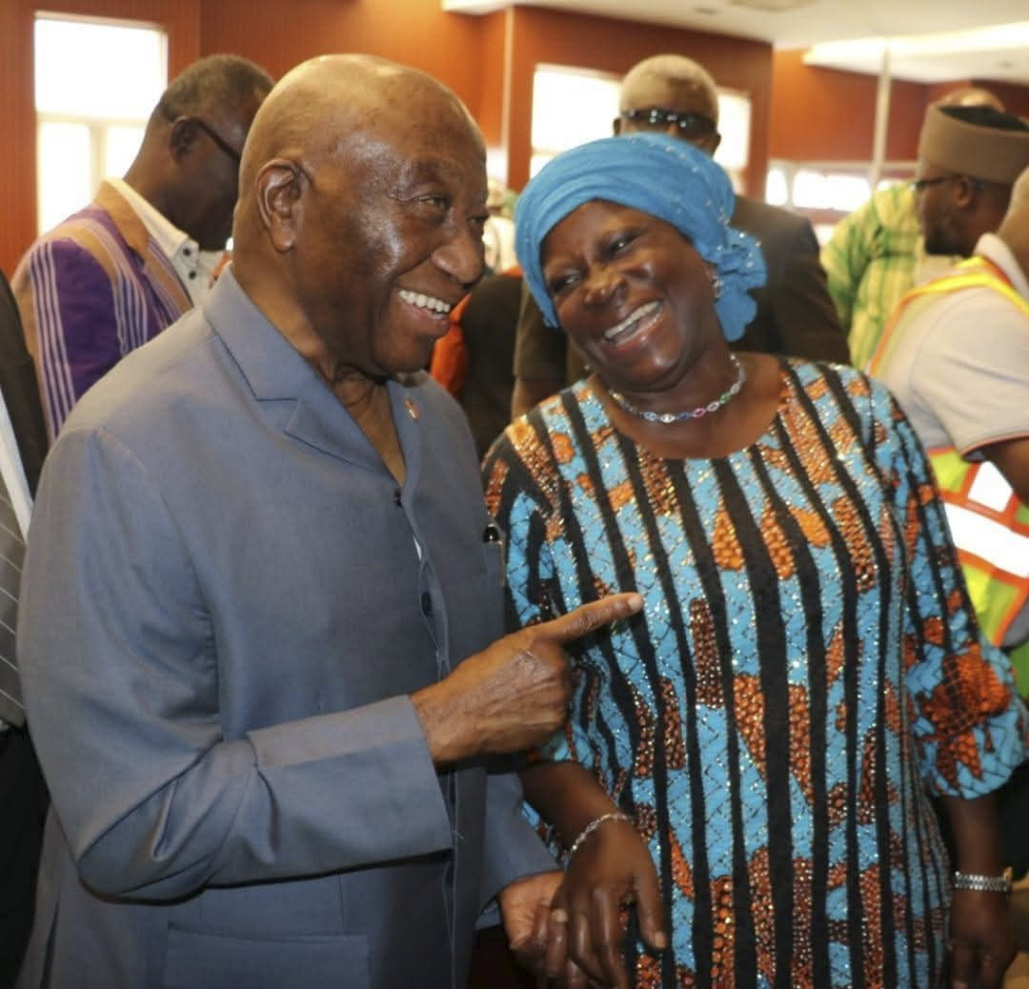
In a landmark moment hailed as one of the most significant trade infrastructure overhauls in decades, President Joseph N. Boakai has signed into law the long-awaited Ports Autonomy Bills, cementing a new chapter in Liberia’s maritime and inland transport governance.
After months of committee hearings, stakeholder consultations, and heated floor debates, the Legislature’s passage of Senate Engrossed Bills Nos. 3 and 4 was finally sealed with presidential approval, marking a dramatic turning point in the nation’s port management system.
Bill No. 3 establishes autonomous authorities for Liberia’s sea ports, while Bill No. 4 grants the same independence to inland ports. Together, they create the National Ports Regulatory Commission of Liberia, a powerful watchdog tasked with setting tariffs, enforcing safety standards, and ensuring fair competition across the sector.
For decades, Liberia’s ports operated under centralized management through the National Port Authority (NPA). That model, once effective, has struggled to keep pace with modern demands.
With regional trade expanding and shipping volumes surging, lawmakers argued that autonomy would empower port authorities to make faster decisions on investment, maintenance, and service delivery — free from bureaucratic bottlenecks.
“This is about efficiency and trust,” declared Senate President Pro Tempore Nyonblee Karnga Lawrence, who championed the reforms. “The Liberian people deserve ports that work for them, and a regulator that ensures no one is left behind.”
The new Commission provides the accountability piece, ensuring that independence does not devolve into unchecked power. By regulating tariffs, safety, and competition, the body is expected to balance autonomy with oversight, creating a system that is both dynamic and disciplined.
Observers describe the reforms as a watershed moment. For importers in Monrovia, exporters in the counties, and commuters who rely on inland waterways, the changes promise shorter wait times, clearer rules, and new opportunities for private investment. Analysts predict that decentralization will unlock untapped potential in ports such as Buchanan, Greenville, and Harper, which have long been overshadowed by the Freeport of Monrovia.
The Senate, acknowledging the House’s concurrence, reaffirmed its commitment to ensuring that reforms translate into tangible improvements for businesses and families. “This is not just about institutions on paper,” lawmakers emphasized. “It is about real change in how goods move, how services are delivered, and how communities benefit.”
President Pro Tempore Lawrence, in her words of commendation, expressed deep appreciation to President Boakai, the Speaker, and members of the House of Representatives, as well as her colleagues in the Senate, for “taking the bold path of decentralization in port governance.”
With the constitutional process now complete, Liberia stands at the threshold of a new era. The Ports Autonomy Bills are more than legislation — they are a promise of transformation, signaling that the nation’s gateways to trade will no longer be bottlenecks but engines of prosperity.

