

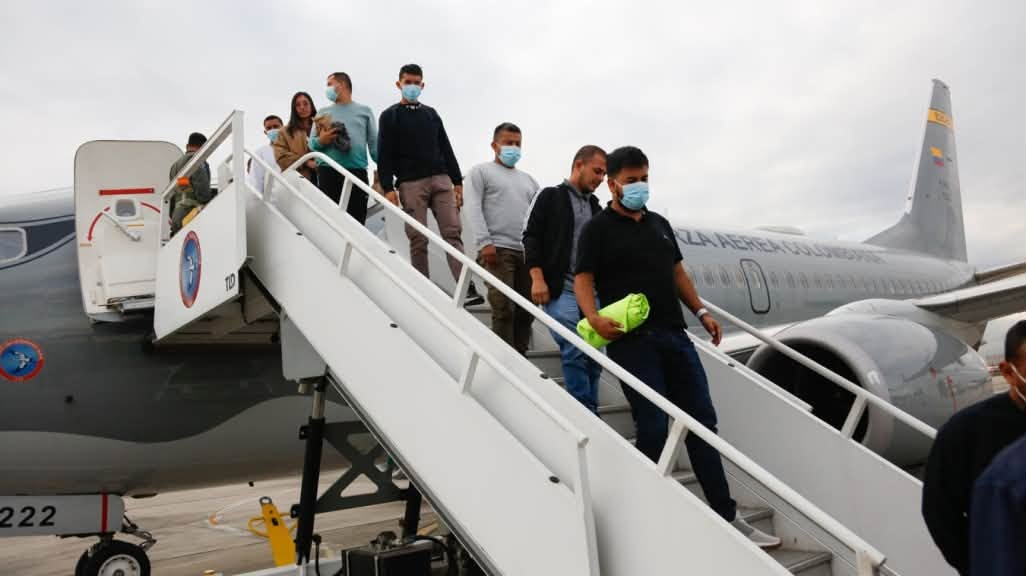
Liberia has agreed to receive as many as 1,200 people transferred from the US under the Trump administration’s expanding program to deport migrants to third countries, Information Minister Jerolinmek Piah said.
The first group, consisting of 20 people, is expected to arrive Thursday, Piah said. He described the decision as a demonstration of Liberia’s hospitality and willingness to assist people in need, saying the country had agreed to accept individuals identified as asylum seekers in the US.
The arrangement could generate substantial financial support for Liberia, though the terms of the agreement have not been made public.
A report by Democrats on the US Senate Foreign Relations Committee said Washington has spent more than $40 million on similar third-country deportation operations, including at least $32 million in direct payments to governments accepting migrants with no prior ties to their countries.
In some cases, the total cost to the US—including government payments and military flights—has exceeded $1 million per person. If that figure were applied to all 1,200 people expected to be transferred to Liberia, the overall cost of the operation could approach $1.2 billion.
It is unclear, however, how much of that amount, if any, would be paid directly to Liberia.
The US has previously sent or negotiated transfers involving countries including Equatorial Guinea, Eswatini and Rwanda. Ghana has received West African nationals under similar arrangements, while South Sudan and Uganda have also engaged in third-country transfers. Details of the agreements, including payment structures and the legal status of those transferred, have largely remained confidential.
The policy is part of President Donald Trump’s stated effort to deport “millions of illegal migrants.” The administration has argued that third-country arrangements are necessary when migrants’ countries of origin refuse to accept them or when repatriation cannot be carried out promptly.
The program has drawn criticism from US lawmakers and rights advocates, who question the cost, transparency and treatment of people sent to countries with which they may have no prior connection. Scrutiny increased after journalists and a lawyer were reportedly detained in Cameroon while investigating the arrival of deportees.
Liberia’s government has not disclosed the identities of those expected to arrive or the duration of their stay. It also has not released details of any financial or logistical support to be provided by the US.

