

By Varney Kamara
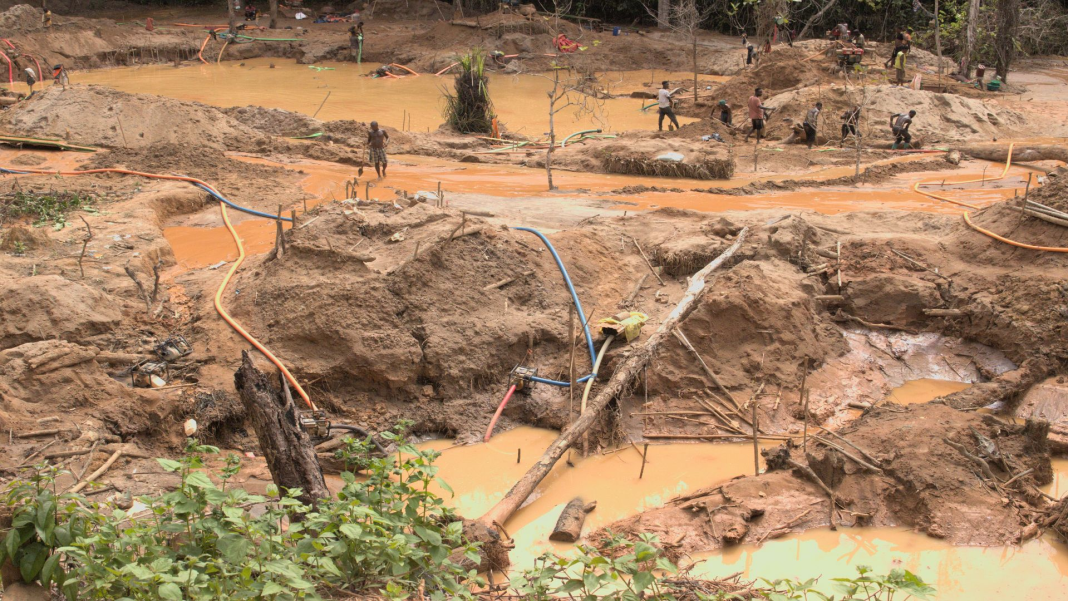
Liberia is moving closer to a major overhaul of its mining sector as a proposed Minerals and Mining Law seeks to address long-standing regulatory weaknesses that have fueled illegal mining, environmental degradation, mineral smuggling, and significant revenue losses for the government.
For more than two decades, Liberia’s existing mining law, enacted in 2000, has been criticized for failing to keep pace with developments in the extractive sector. Stakeholders say weak enforcement mechanisms, limited transparency, and inadequate protections for communities have contributed to widespread environmental damage and reduced government benefits from the country’s mineral wealth.
In response, the Liberia Law Reform Commission, government institutions, civil society organizations, and international partners have spent years developing a comprehensive replacement rather than a series of amendments. The draft legislation introduces several significant reforms aimed at strengthening oversight, improving transparency, protecting communities, and aligning Liberia’s mining sector with international standards.
One of the most notable changes would prohibit mining activities in proposed protected areas and require the consent of local communities before mining can take place in community forests.
While the current law recognizes forest reserves, it does not provide similar protections for community forests or proposed conservation areas. As a result, some mining licenses have overlapped with environmentally sensitive areas, raising concerns among conservation groups and local residents.
The draft law seeks to harmonize mining regulations with Liberia’s Community Rights Law, Land Rights Act, and wildlife conservation legislation by strengthening safeguards for community land and forest resources.
The proposed legislation would significantly reduce the size and number of licenses available to small-scale miners.
Currently, a Class C miner may hold up to four licenses, each covering 25 acres. Under the draft law, that number would be reduced to three licenses covering approximately 12.4 acres each. License terms would also increase from one year to two years, with the possibility of a one-year extension.
The bill also limits medium-scale mining concessions to a maximum of 98 acres, a move experts say could help reduce environmental impacts and ensure operators possess the capacity to responsibly manage mining activities.
Another major reform would require greater environmental accountability from small-scale miners.
Under the current framework, artisanal and small-scale operators are generally exempt from obtaining environmental permits. Critics argue that this loophole has contributed to pollution of rivers and streams, deforestation, and the destruction of community livelihoods.
The proposed law would require small-scale operators to demonstrate both technical and financial capacity. Where deemed necessary by the Environmental Protection Agency, miners would also be required to conduct environmental assessments before operations begin.
The draft legislation also formally incorporates agencies created after the passage of the 2000 mining law, including the Environmental Protection Agency, the Liberia Land Authority, and the National Oil Company of Liberia.
The absence of these institutions in the existing law has often led to overlapping mandates and weak coordination. To address this, the bill proposes stronger collaboration among government agencies, including the establishment of a permanent working group to provide guidance on artisanal and small-scale mining activities.
Transparency and accountability measures feature prominently in the proposed reforms.
The draft law incorporates provisions of the Liberia Extractive Industries Transparency Initiative (LEITI), which requires disclosure of payments made by extractive companies and promotes public access to information on production, exports, and company ownership.
Mining companies would be legally obligated to provide accurate and timely information regarding payments made to the government, strengthening efforts to combat corruption and illicit financial activities.
The legislation would also formally adopt the Kimberley Process Certification Scheme into Liberian law.
Although Liberia joined the international initiative in 2007 to prevent the trade of conflict diamonds, the country’s mining law has never been updated to reflect that commitment. The proposed framework closes that gap by embedding Kimberley Process requirements into national legislation.
The draft law introduces stronger safeguards for cultural and historical sites.
While the current law excludes areas such as cemeteries, military installations, and traditional bush schools from mining activities, it provides limited protection for cultural relics and artifacts.
Under the proposed legislation, cultural heritage sites would receive enhanced protection. Mining operations affecting such sites could be suspended pending review by government authorities, while provisions would be made for the safe relocation of movable cultural artifacts when necessary.
If enacted, the proposed mining law would represent one of the most significant reforms of Liberia’s extractive sector in decades, seeking to balance mineral development with environmental stewardship, community rights, transparency, and cultural preservation.

