

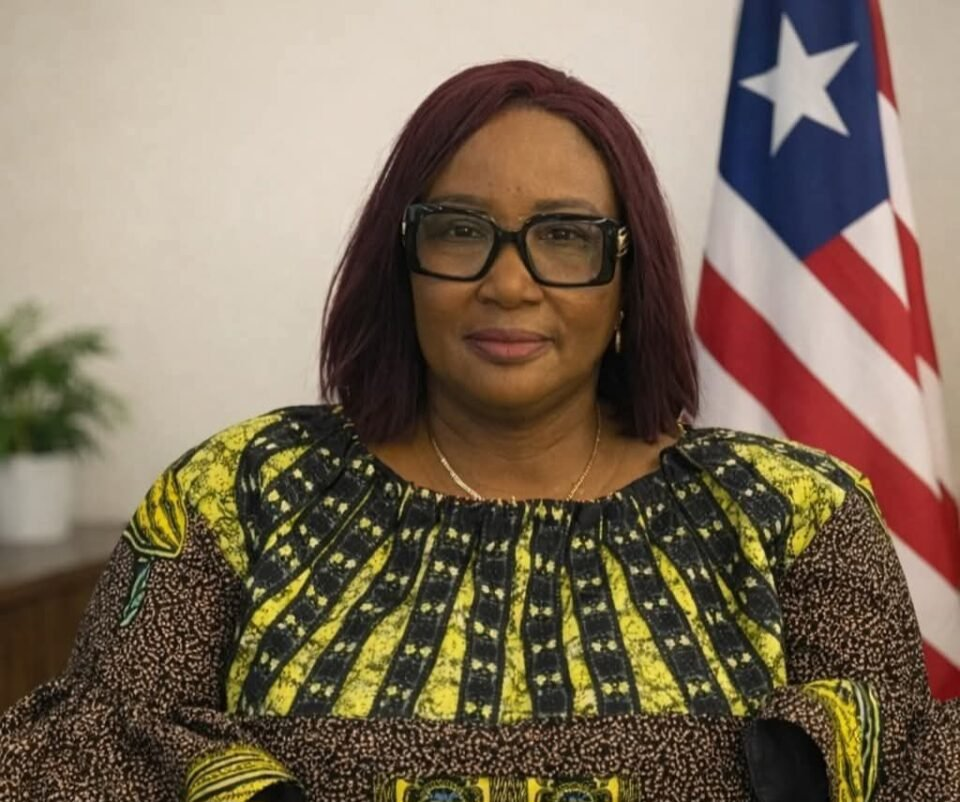
Health Minister Dr. Louise Kpoto has called for increased domestic investment in Liberia’s healthcare sector, including the formal absorption of more than 3,000 volunteer health workers into the government payroll, as the Ministry of Health seeks additional funding to sustain and expand essential health services nationwide.
Speaking during deliberations on the health sector’s budget, Dr. Kpoto stressed that adequate financing remains critical to maintaining essential medicines, strengthening the healthcare workforce, improving maternal and newborn health services, and ensuring that health facilities are equipped to meet the needs of patients across the country.
She warned that gains made in healthcare delivery could be difficult to sustain without stronger government support and increased domestic funding.
“Investment in the health sector is necessary to maintain services and improve outcomes for Liberians,” the minister emphasized, underscoring the need for a resilient health system capable of responding to growing healthcare demands.
According to Dr. Kpoto, implementation of the Ministry of Health’s 2026 budget stood at 66.4 percent as of September 30. Despite financial constraints, she reported progress in key public health indicators, noting that approximately 91 percent of targeted children had received vaccinations.
As part of its proposal for the 2027 fiscal year, the ministry is seeking increased allocations for employee compensation aimed at strengthening the country’s health workforce. Central to the proposal is the placement of more than 3,000 volunteer health workers on the government payroll.
The minister said the volunteers are already playing a vital role in healthcare delivery but require formal employment support to enhance service provision and address persistent workforce shortages within the sector.
Data presented by the ministry show that Montserrado County accounts for the highest number of verified volunteers, with 889 workers. Other counties with significant numbers include Lofa (253), Maryland (233), Grand Gedeh (202), Bomi (165), Grand Kru (154), Sinoe (150), Grand Bassa (146), Margibi (134), River Cess (121), River Gee (121), Bong (115), and Grand Cape Mount (106).
Beyond the volunteer workforce, the ministry is also seeking funding to support a broad range of healthcare personnel, including nurses, nursing aides, community health workers, vaccinators, dispensers, laboratory aides, and administrative staff.
The proposed expansion of employee compensation and integration of volunteers into the public workforce is expected to require substantial additional budgetary commitments. The request has renewed focus on the government’s capacity to finance healthcare priorities while ensuring that investments translate into improved services for citizens.
With workforce shortages, maternal and newborn healthcare, and access to essential medicines continuing to challenge the sector, the 2027 budget process is expected to play a decisive role in determining the future direction of healthcare delivery in Liberia.

