

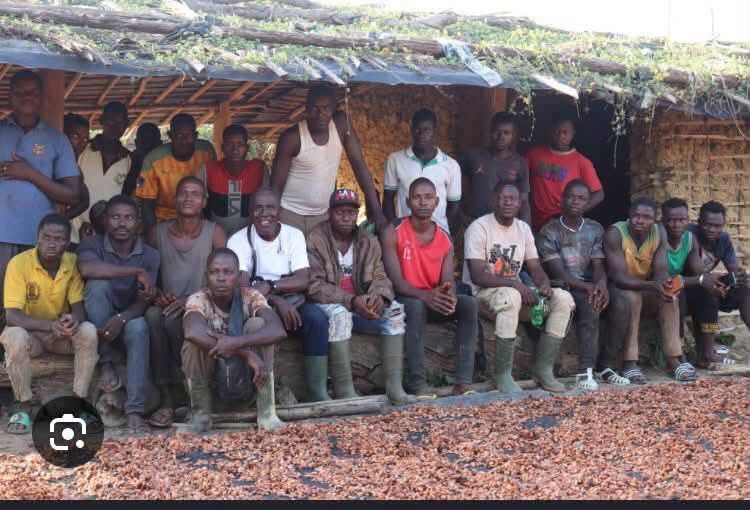
The Liberian government has raised concerns that the growing population of Burkinabè migrants in the country could pose a risk to the integrity of the 2029 general elections if they are not properly documented and enrolled in the national biometric identification system.
Data from the Liberia Refugee, Repatriation and Resettlement Commission (LRRRC) indicate that nearly 150,000 Burkinabè nationals are residing in four of Liberia’s 15 counties. Grand Gedeh County accounts for the largest number, with more than 80,000 migrants, followed by Nimba County with 45,000, River Gee County with 15,000, and Maryland County with about 500.
Appearing before the House of Representatives on Tuesday, National Identification Registry (NIR) Executive Director Andrew Peters and LRRRC Executive Director Jeror Cole Bangalu said the government has launched a documentation exercise to capture the migrants’ biometric data and integrate them into the national identification system.
The officials said the initiative is designed to strengthen migration management and prevent foreign nationals from unlawfully obtaining Liberian identification documents or registering as voters.
According to Peters and Bangalu, the registration process will help authorities distinguish citizens from non-citizens and protect the credibility of future elections. They cautioned lawmakers that failure to adequately document the migrant population could create loopholes that may be exploited for electoral fraud ahead of the 2029 polls.
The disclosure comes amid growing public attention to the influx of Burkinabè migrants into southeastern Liberia and ongoing discussions about its implications for national security, governance, and electoral accountability.

