

A rapid and unexpected appreciation of the Liberian dollar (LRD) against the U.S. dollar in early September has thrown Liberia’s markets into confusion.
Between end August and September 8, the exchange moved from about L$201.08 per US$1 (end August) to roughly L$180.00 (buying) — a near 10% swing in days. A market check on September 9 recorded L$182.94 (buying) and L$184.94 (selling), confirming a sharp repricing.
The result: sellers and buyers unsure how to quote contracts, export and import flows disrupted, and retail prices jumping as market participants scrambled to fix margins.
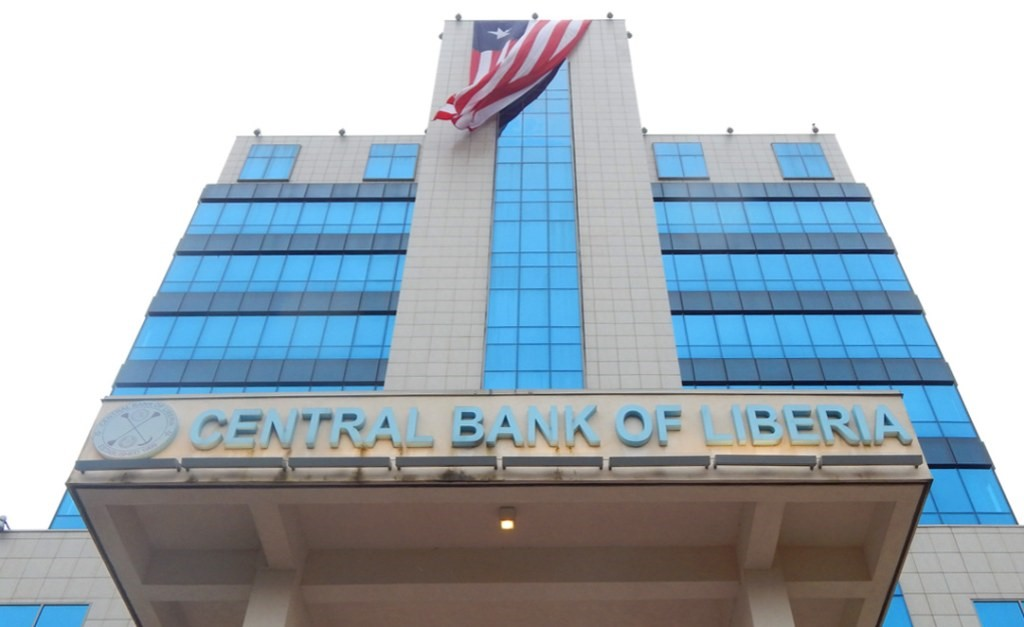
Oracle News Daily probe into the Liberian dollar surge examines whether the move was supported by economic fundamentals or driven largely by central bank operations and short-term financial flows.
What the CBL data show
Exchange rate snapshot: LRD moved from L$201.08/US$1 (end August) to ~L$180 (buying) by Sept 8; follow-up quotes near L$183/185 on Sept 9.
Liquidity and reserves: Commercial banks reported L$1.65 billion in vault cash as of Sept 3; excess reserves across the system nearly doubled to L$2.02 billion year on year. Gross international reserves rose to US$541.5 million at end June 2025 (a 2.9% increase) but cover fell to 2.3 months of imports — below the 3.0-month ECOWAS benchmark.
Monetary operations: The CBL kept the Monetary Policy Rate at 17.25% and continued the interest rate corridor (SDF and SCF). Quarter 2 Standing Deposit Facility transactions surged to L$71.84 billion from L$21.78 billion in Quarter 1.
The Bank reported FX market actions: a US$2.0 million FX auction on behalf of the Ministry of Finance and a separate domestic purchase of US$1.52 million to meet end June net international reserves targets. CBL and the government also issued US$2.25 million in USD Treasury bonds during Q2.
Real economy and prices: The CBL projects 2025 real GDP growth of 5.6%, notes stronger mining and some agricultural outputs, records headline inflation at 11.1% (core inflation 15.2%), and finds broad money (M2) growing largely from higher net foreign assets.
Why the speed and scale of the move are suspicious
Magnitude vs. fundamentals: While Q2 data show measured improvements in mining output and slightly higher reserves, external metrics were mixed — the current account surplus narrowed to 1.8% of GDP and the merchandise trade deficit widened 43.4% to US$139.3 million. Those conditions do not normally produce a near double-digit currency appreciation in days.
Active and mixed FX operations: The CBL’s own bulletin documents both selling and buying of dollars in Q2. An FX auction that supplies USD to the domestic market (selling USD) can temporarily push the USD/LRD rate down — i.e., make the LRD appear stronger.
Conversely, purchasing USD to bolster reserves reduces USD supply and would tend to weaken the LRD. The coexistence of these operations, plus USD denominated bond issuance on the government’s behalf, creates volatile, short-term shifts in supply and demand that markets can amplify.
Low import cover and shallow FX market: With import cover under the regional benchmark and a relatively shallow FX market, even modest official operations or short-term portfolio flows can cause outsized rate moves.
How central bank operations can create a false appreciation
Selling USD into the market: If the CBL or the government sells USD (e.g., through an auction to obtain LRD for domestic spending), this increases USD supply and depresses the USD price in LRD terms, producing an apparent LRD appreciation. That appreciation can be temporary — lasting only while the sold USD remains in circulation.
Timing and signaling: Large, public operations or sudden changes in FX availability may prompt traders to reprice aggressively or for businesses to prefer invoicing in USD to hedge risk. That can create a feedback loop of volatility.
Nonpayment or fiscal stress (reported): Market reports of government USD bond nonperformance or other fiscal shocks can further distort demand for USD in the short run and prompt the central bank to intervene — sometimes in ways that worsen market confusion.
Market and economic consequences observed
Price dislocation: Many sellers still quote in USD; contracting and invoicing practices and inconsistent conversions have led to sudden LRD price increases for consumers, despite the LRD’s appreciation on the exchange board.
Export competitiveness and uncertainty: Abrupt LRD strengthening erodes exporters’ local currency receipts and can discourage export invoicing in LRD, complicating trade flows.
Financial sector strains: Rapid FX moves raise operational and liquidity risks for banks and nonbank FX dealers, potentially increasing bid ask spreads and fueling market panic.
Assessment: fundamentals vs. manipulation
Fundamentals present a mixed, mildly positive picture: higher mining output, projected GDP growth, and a small rise in GIR could support gradual LRD strength over time.
But the evidence points to policy driven and flow driven volatility as the proximate cause of the sudden appreciation. The CBL’s documented FX auctions, targeted dollar purchases to meet reserve targets, larger short-term bill operations, and a shallow FX market created an environment in which short-term interventions and portfolio shifts could produce sharp, temporary repricing.
What should be done
Transparency: The CBL should publish timely, disaggregated daily FX intervention data (net sales/purchases) and clearly state the objectives of auctions and bond issuances.
Communication and predictability: Announcing policy intent and exit strategies for temporary interventions would reduce arbitrage and speculative behavior.
Strengthen reserves and structural reforms: Building durable reserves, addressing the widening trade deficit, and improving export diversification would underpin a sustainable exchange rate path.
Verdict
While Liberia’s fundamentals show pockets of improvement, they do not justify a 10% move in days.
The weight of the evidence suggests the September surge was triggered mainly by policy driven and short-term market dynamics rather than sustainable improvement in macroeconomic fundamentals.
The CBL’s explicit interventions in the FX market and large short-term financial operations, together with volatile portfolio behavior in a market with limited USD depth, appear to have produced a rapid repricing of the currency and has left households and businesses paying the price.

