

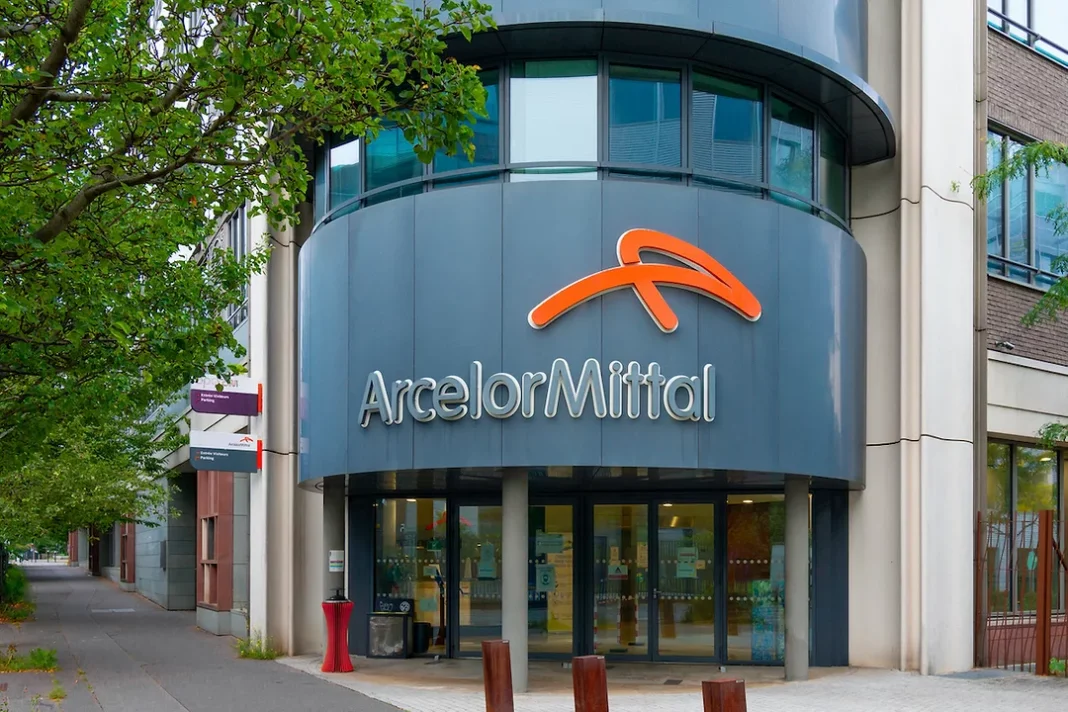
Liberian President Joseph Boakai has rejected provisions in a revised Mineral Development Agreement (MDA) with ArcelorMittal Liberia (AML) that would embed Rail Standards Operating Principles (RSOPs) directly into its contract, intensifying a debate over management of the strategic Yekepa–Buchanan rail corridor.
The RSOPs set technical and governance rules governing access fees, scheduling, safety protocols and upgrades.
President Boakai has argued the rules should be overseen by an independent operator appointed by the state, to preserve neutrality, transparency and fair competition. AML has since increased efforts to secure ratification of its revised MDA.
Critics — including government officials, industry analysts and local civil society groups say the RSOPs as drafted would effectively lock Liberia into a single user governance model and could entrench AML’s de facto control of the corridor for decades.
Think tank Global Witness warned nearly two decades ago that similar arrangements risk creating a “state within a state,” language now echoed by current observers.
Three ways AML’s RSOP risk Liberia’s sovereignty and economy
1) Sovereignty and governance: Because changes to the RSOPs under the MDA would require legislative approval, opponents say the arrangement would preclude the creation of a National Rail Authority or other independent oversight bodies, concentrating decision-making power with AML.
2) Competitive distortion: The RSOPs would require prospective third-party users to demonstrate the capacity to move 5 million tonnes per annum (mtpa) to gain access, a threshold critics describe as arbitrary and likely to deter new entrants by raising financing and capital barriers. The agreement also appears to exempt AML from some feasibility study requirements faced by other users.
3) Ability to delay competitors: Under the proposed framework, AML’s expansion timetable and assessments could determine when upgrades are carried out, giving the company the ability to delay system improvements and frustrate access for other businesses.
The future of Liberia’s critical infrastructure lies in the details
It is essential that the RSOPs don’t form part of a single company’s MDA. How the corridor is governed will shape Liberia’s long-term economic prospects, and in their current framing, they will only serve to create an effective monopoly which will negatively impact investment, competition and Liberia’s ability to leverage its vital national infrastructure for the benefit of its people.

