

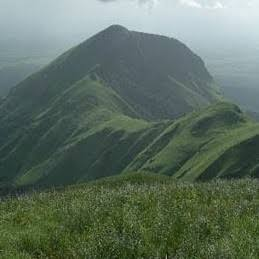
The Liberian government’s renewed push to reclaim the Putu Mountain Iron Ore concession in Grand Gedeh County—valued at an estimated US$12 billion—has sparked cautionary appeals from citizens who fear the project could repeat Liberia’s troubled history with resource exploitation.
President Joseph Nyuma Boakai’s administration is moving to terminate the 2010 Mineral Development Agreement (MDA) with Severstal/Putu Iron Ore Mining Company (PIOM), a Russian-affiliated firm that halted operations nearly a decade ago. Vice President Jeremiah Kpan Koung has been assigned to lead the reclamation process, which officials have described as a “priority national undertaking.” The government says the initiative is central to its 2025–2029 strategy to maximize resource revenue, enforce compliance with concession agreements, and stimulate economic growth, particularly in the southeastern region.
Putu Mountain, located in Grand Gedeh County, is believed to hold between 2.37 and 4.5 billion tons of iron ore, with scientific studies also suggesting potential gold deposits. The project is widely regarded as a potential “gamechanger” for Liberia’s economy, promising jobs, infrastructure, and revenue. Yet, skepticism remains rooted in Liberia’s past experiences with concessions that left communities impoverished, environments degraded and promises unfulfilled.
Speaking from the United States on March 18, 2026, Grand Gedeh native and legislative aspirant Mr. Othello Brown cautioned the government against rushing into agreements without safeguards. “The Putu Mountain concession must be an economic blessing, not a curse,” Brown said, warning against repeating mistakes that have left thousands jobless and communities shattered.
He emphasized the need for a comprehensive national mineral plan, including investment in training geologists and mining professionals, particularly in counties rich in mineral reserves. Such measures, he argued, would build local expertise, strengthen Liberia’s mineral job market, and ensure that resource wealth translates into sustainable national development.
Brown also raised concerns about corruption and illegitimate deals, warning against handing the concession to “an illegitimate, corrupt, ill-intentioned, and unknown foreign company with no capacity to manage a large-scale mineral project.” He accused past administrations of allowing selfish interests within both the Executive and Legislature to manipulate concessions for personal gain, citing Liberia’s troubled oil sector as a cautionary example.
The aspiring lawmaker further called on citizens of Grand Gedeh to remain vigilant, urging them to resist any attempts by government officials or members of the county’s Legislative Caucus to deny the region its rightful benefits. “There must be guaranteed arrangements to assure the people of Grand Gedeh County of the required social and economic benefits, alongside measures to mitigate environmental degradation,” Brown stressed.
Liberia’s history with Putu Mountain has been fraught with setbacks. In 2017, then-Minister of Mines and Energy Patrick Sendolo confirmed to the Senate that Severstal had pulled out of Liberia after failing to secure partners to manage the concession. The disclosure followed inquiries by Grand Gedeh Senator G. Alphonso Gaye, who pressed the government to clarify whether the company had relinquished its rights or continued to hold the concession despite inactivity.
Now, nearly a decade later, the Boakai administration is seeking to cancel Severstal’s MDA and attract new investors capable of developing the massive deposit. Officials argue that reclaiming the concession is essential to unlocking Liberia’s mineral wealth and driving long-term growth.
However, Brown’s warnings underscore the delicate balance between opportunity and risk: without transparency, accountability, and community-centered development, Putu Mountain could become yet another symbol of squandered potential.
For Grand Gedeh, the stakes are high. The county, long marginalized in national development, views the Putu project as a chance to transform its economic fortunes. Whether the mountain becomes a blessing or a curse will depend on the government’s ability to resist corruption, enforce responsible mining practices, and ensure that the wealth beneath the soil translates into prosperity above it.

