

Jeety Rubber LLC said it can produce Liberia’s first domestically made tire by mid-2028 but only if the government secures a daily supply of about 550 tonnes of wet rubber, underscoring the limits that raw-material flows place on local industrialization.
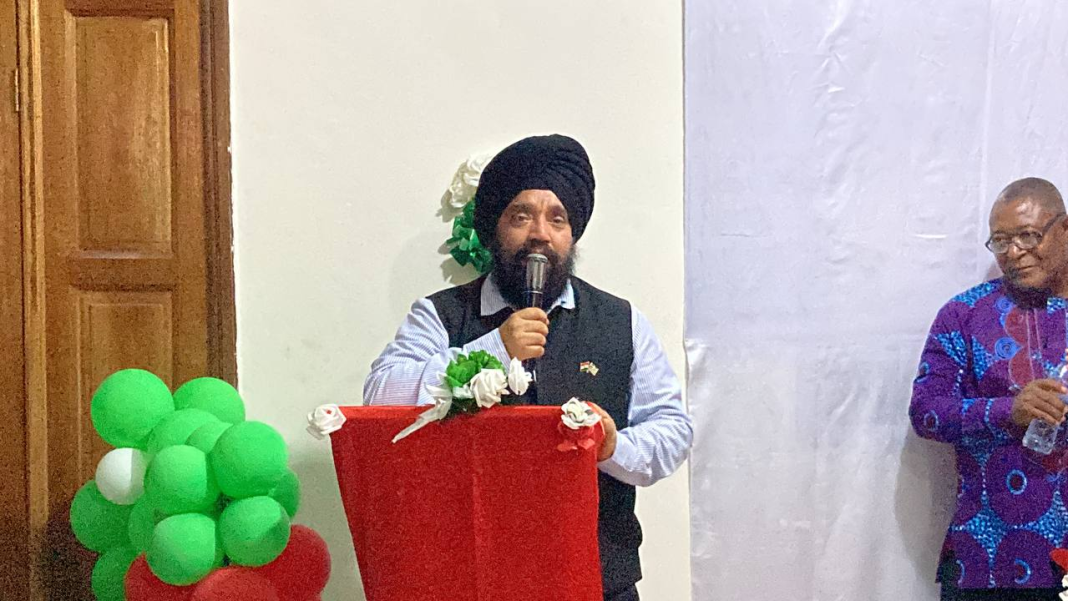
Owner Upjit Singh Sachdeva (known as Jeety) made the pledge at a recognition ceremony on March 25 attended by the agriculture minister, as the company nears completion of an $18 million second-phase expansion that will nearly double processing capacity.
The upgrade, about 60% complete, adds a new line able to handle eight tonnes per hour to the firm’s existing five-tonne-per-hour capability and is due to start operating in June or July 2026.
“By 2028, either June or July, Liberians can expect the first made-in-Liberia tire,” Jeety said, while warning that the plan hinges on consistent access to raw rubber.
The company currently processes about 200–250 tonnes of wet rubber a day. The expanded plant would require roughly 550 tonnes daily to sustain tire manufacturing.
Jeety Rubber has completed feasibility studies to make truck, passenger, motorcycle and tricycle tires, the owner said.
But he also warned that further investment — a potential $35 million to $40 million — is conditional on securing adequate feedstock.
“I will not be investing 35 to 40 million dollars more if I’m not getting enough rubber,” he said.
Central to the company’s appeal is a call for the government to restrict exports of unprocessed rubber, or “cuplumps,” arguing that raw exports strip Liberia of manufacturing jobs and shift value-added employment to rival producers abroad.
“When you export unprocessed rubber, you are exporting jobs. You are giving jobs to people in Malaysia,” Jeety said.
He also urged policy changes to strengthen farm-gate pricing to incentivize higher production and lift rural incomes.

