

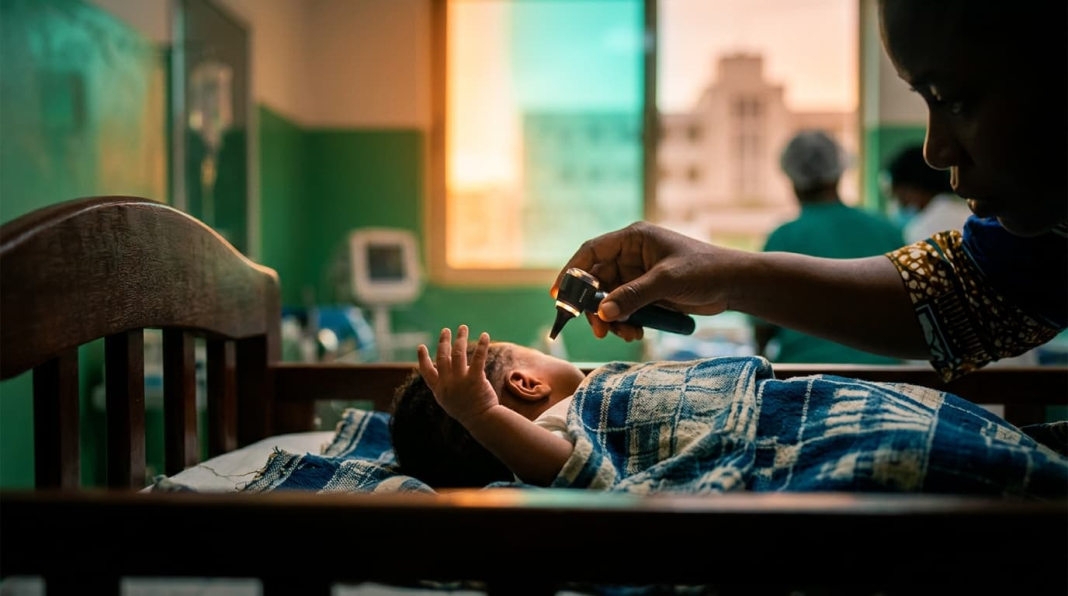
In the sterile, bustling corridors of the John F. Kennedy Medical Center in Monrovia, a small but significant shift in public health policy took root this week as President Joseph Nyuma Boakai formally inaugurated a specialized Ear and Hearing Project.
The initiative, funded with an initial grant of US$60,000 (approximately KES 7.8 million), aims to systematically dismantle the barriers to early diagnosis and intervention for newborns and communities struggling with hearing impairments.
For a nation still navigating the complex reconstruction of its post-conflict healthcare infrastructure, the project represents more than a financial outlay it signals a prioritization of preventative, specialized care over reactive crisis management. While the funding may seem modest against the backdrop of national budgets, the implications for thousands of Liberian children are profound.
Early detection of hearing disorders is the linchpin of cognitive development, speech acquisition, and future educational attainment, yet for many families in West Africa, specialized audiology remains an inaccessible luxury. By centering this program at the John F. Kennedy Medical Center, the government is signaling an attempt to institutionalize ENT services that have historically suffered from severe under-resourcing and neglect.

