

By Darius Zoryea | Grand Bassa County
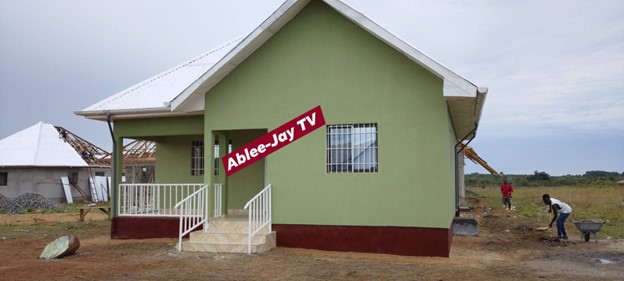
In a landmark move to strengthen healthcare delivery, Grand Bassa County Health Team has officially handed over a newly constructed two‑bedroom apartment designated as doctors’ quarters. The facility, executed by Ansoko Incorporated, is expected to ease longstanding accommodation challenges faced by medical personnel and improve emergency response times.
During the handover ceremony, Ansoko Incorporated’s Chief Executive Officer, Anthony Kolleh Sheriff, presented the keys to County Health Officer Dr. Jude Gradea Wesseh. Sheriff expressed gratitude for the confidence placed in his company, noting that although the project was scheduled for three months, it was completed in just two.
He disclosed that the total cost amounted to US$19,000, leaving a balance of US$600 from the US$20,000 allocated. Sheriff reaffirmed his company’s commitment to delivering quality work within stipulated timelines.
The Grand County Health Team Administrator Randolph Weah highlighted the critical need for proper housing for doctors, revealing that the Ministry of Health approved and funded the project. “For years, inadequate accommodation has hindered doctors’ ability to respond promptly to emergencies,” Weah said, emphasizing that the new quarters mark a turning point in addressing this challenge.
Dr. Wesseh lauded the Ministry of Health for its support and commended the contractor for the quality of work delivered. He explained that the lack of proper housing had historically forced doctors to live within communities, complicating emergency response. He also noted ongoing efforts by the county administration to construct three additional housing units for doctors and nurses.
The keys were subsequently presented to Dr. Yolah F.B. Comanor, Medical Director of the Liberian Government Hospital, who will oversee the facility. Receiving the keys, Dr. Comanor expressed appreciation to the County Health Team and the Ministry of Health, stressing that the new quarters will significantly improve response times during emergencies. “Doctors will now reside closer to the new hospital under construction, ensuring faster and more effective service delivery,” he said.
The completion of the doctors’ quarters represents more than just infrastructure—it is a symbol of progress in healthcare reform. As Liberia continues to grapple with systemic challenges in its health sector, initiatives like this underscore the importance of targeted investments in medical personnel and facilities. For residents, the project offers renewed hope that healthcare services will be more accessible, reliable, and responsive.

