

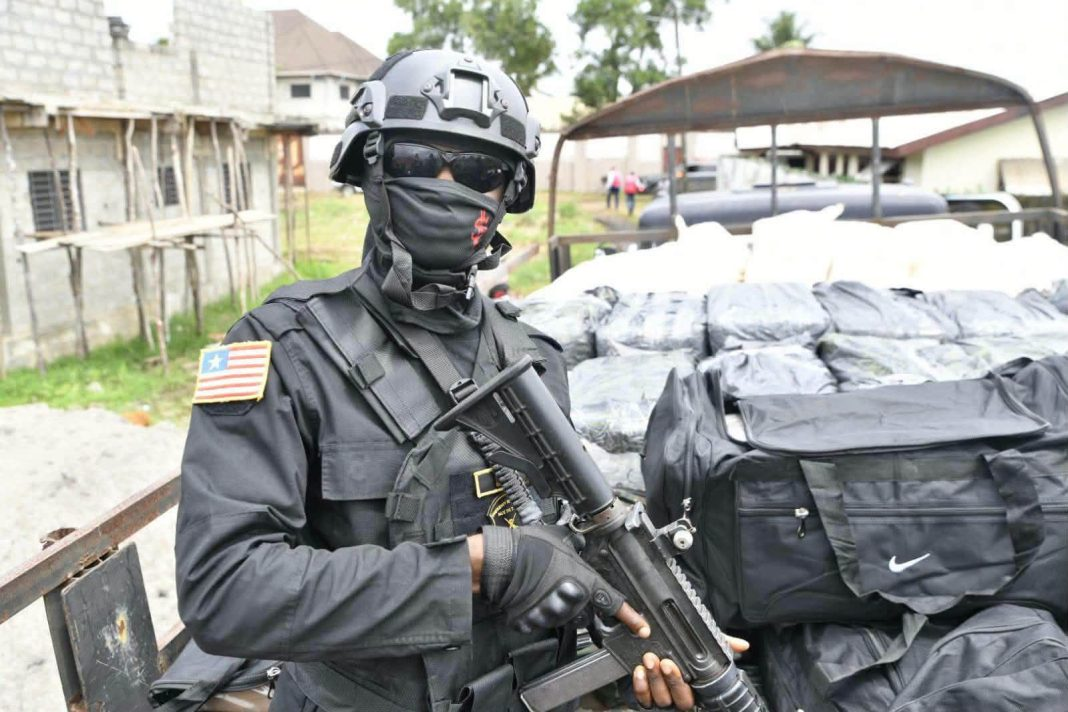
My fellow Liberians, let us not fool ourselves this morning. The problem was never catching the drug. We are good at catching the drug. We caught 520 kilos at the Freeport in 2022. We caught 237 kilos at the airport in June. We caught almost four tons at Duazon in July. Our people can catch cocaine the way the market woman catches her balance with a full pan on her head. The catching is not our shame.
The losing is our shame. Because every single time we catch it, the case disappears. The Freeport case — 520 kilos — ended with the men walking free. Some group of compatriots lied they would do better. Now they are wasting water on bare floor. After the May 2026 case, the floodgate opens. In the June airport case, one suspect was let go on a paper his own fiancée and sister signed, with no written bail ruling in the file and three different stories about some injury nobody can pin down.
That, my people, is the real Liberian drug story. We seize the poison in daylight for the cameras, and then, quiet-quiet in the dark, we lose the men who carried it. And now, God help us, we are watching it happen again — live, in front of our own eyes.
THE POLICE RODE WITH THE POISON
This is not rumor from somebody Facebook. This is the government own mouth. By Inspector General Gregory Coleman own account, when the near four tons of cocaine moved toward Paynesville that night, two marked police cruisers rode with it — one in front, one behind — running escort in the dark. Not undercover. Not off duty. And, in the IG own words, not acting alone. Sit with that thing small. The same police we pay to chase the drug were driving beside it, lighting the road for it. When the law itself becomes the escort, who is left to catch anybody?
THE MAN WHO ALMOST FLEW AWAY
And do not think this is only old history. This very week, the former drug-enforcement deputy who ran the airport — a man already charged in the June case — was caught trying to board a flight out of the same terminal where that cocaine was seized. Hear that well. A man charged in the biggest drug case of our time walked through departure at our own national airport, and nobody had even put a travel ban on his name. If a fisherman keeps letting the big fish slip through a hole he refuses to mend, after a while we must ask whether the man is really fishing at all.
SIX DAYS, TWO PHONES, NO STATEMENT
Now watch the case start to bleed. The man who ran daily operations at the Monrovia Central Prison — Jackson Kolako, the officer in charge of keeping the very detainees who could name the big people — has been pulled off his post. He says three police officers arrested him on the first of August, on his own job, in front of his own officers, on the order of a Justice Ministry official.
He says they held him six days, from the first to the seventh, and in all those six days not one officer sat down to take a statement from him. And on the third day, he says, they made him bring his two phones and hand over every password.
My people, our own Constitution gives the state 48 hours. Forty-eight. This man says he sat there six days. The Ministry of Justice wrote a long, careful answer on the ninth of August, answering this and answering that — but it did not answer the four extra days, and it did not answer by what right his phones were emptied. When a government answers everything except the one question that matters, the silence itself is the answer.
THE MEN WHO KNOW THE NAMES
And why would a prison operations chief suddenly become the enemy? Hear the trigger. On that same first of August, Kolako says two men calling themselves NSA officers — dressed in short pants, against the prison own rules — came looking for one of the foreign men locked up in the four-ton case. He blocked them. Days later, he was the one in handcuffs.
Now he is warning the nation plain: move these detainees to a safer place, even outside the country, even to Morocco — because a facility holding almost 1,800 souls could be broken wide open. Think about what he is really telling us. The foreign men in that cell are the only thread we have back to whoever owns this network. They know the names. And in this country, my people, we know what happens to men who know the names. They fall sick all of a sudden. They get bail nobody can explain. Sometimes they simply are not there one morning.
And see how little the state itself wants to climb this ladder. The very van that carried part of the four tons sat right there at the police headquarters, and up to now the police had not even told us who owns it. It took a private citizen — an activist with documents, not the police with all their power — to pull the registration and show the van was papered barely two months before the seizure.
When ordinary people are doing the investigating the state refuses to do, we are right to ask what the state is protecting. And even the government own Witness Protection Agency has warned, plain-plain, that fear could kill this whole fight: the people who could talk are afraid, and the people who should protect them are the same ones we are watching.
OUR LAST REFEREE WEARS A FOREIGN BADGE
So where is our hope this morning? Here is the bitter part, and I will say it plain because you deserve the plain truth. The one referee we can still trust in this whole matter is not Liberian. The United States Department of Justice has joined the investigation.
And when a nation reaches the place where the only honest judge it can name is another country judge — when we must pray that Washington is watching because we no longer trust our own people to watch — that, my brothers and sisters, is not a small shame. That is the whole shame of it.
Let me be clear, so no one can twist my words. I have not called any man guilty. The courts will do that, if the courts are ever allowed to. What I am telling you is older than any single case. In Liberia we catch the cocaine, and then we lose the case. We have done it before, and the men in charge are moving, right now, in a way that says we are about to do it again.
Guard those prisoners. Guard that evidence. Guard that case like your own child — because the same hands that escorted the poison into Paynesville are still on the wheel. And if we lose this one too, let no man say we did not see it coming. We saw it. We are watching it disappear in broad daylight, with nothing but a foreign badge standing between the truth and the dark.

