

By: Ben TC Brooks | River Gee County
River Gee County: A wave of empowerment is sweeping through River Gee County as more than 70 young women in Tienpo Nanee Administrative District launch into a six-month vocational training program designed to transform their futures and ignite economic independence.
The initiative, spearheaded by the Development of People and Communities (DOPAC) — a nonprofit, non political organization dedicated to youth and community advancement — is focused on cosmetology and personal care services, while also equipping participants with vital entrepreneurship and business management skills.
The program draws participants from Nyonken and surrounding communities, including Gmomaken and Wrewroken, offering rural women a rare chance to acquire marketable skills without leaving their hometowns. For many, this marks the first structured opportunity to break free from economic dependency and chart a path toward self-sufficiency.
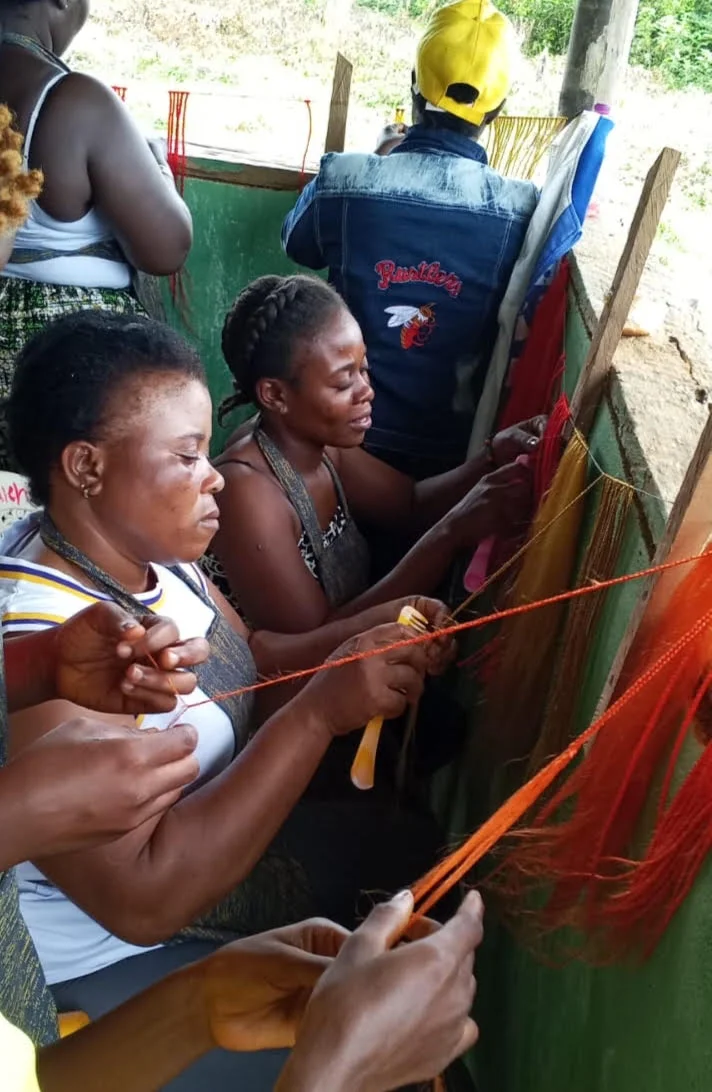
DOPAC’s River Gee County Master Trainer, Jestina GodFavor Gaysue, revealed that hands-on sessions are already underway. Trainees are mastering hair braiding, plating, weaving, perming, styling, manicure, pedicure, makeup artistry, and hair treatment. Beyond technical expertise, participants are being introduced to customer service and small business management, ensuring they graduate not only as skilled professionals but as budding entrepreneurs.
“This program is not just about teaching techniques,” Gaysue emphasized. “It’s about instilling confidence and showing these women how to transform their skills into sustainable businesses.”
By the end of the six months, DOPAC envisions graduates equipped with practical abilities, entrepreneurial know-how, and the courage to establish ventures that will serve their communities. The ripple effect could be profound: new businesses, job creation, and stronger household incomes across River Gee.
The initiative enjoys strong support from community leaders, youth representatives, women’s groups, and local residents, who see it as a catalyst for economic independence. DOPAC frames the training as part of its broader mission to empower women and youth through market focused vocational education and livelihood programs.
Organizers hope that some graduates will eventually expand their enterprises to employ others, multiplying the impact across the district. “We want these women to become role models,” Gaysue noted, “proving that with skills and determination, rural communities can thrive.”
As the program unfolds, optimism is high that Tienpo Nanee’s young women will emerge as agents of change — beauticians, entrepreneurs, and leaders who redefine what is possible in rural Liberia. For many participants, this is more than training; it is a lifeline, a chance to rewrite their stories and contribute meaningfully to local development.
“This is hope in action,” one community elder remarked. “Our daughters are learning to stand on their own, and that strength will uplift all of River Gee.”
With determination, skill, and community support, the women of Tienpo Nanee are poised to shine — not just in salons, but in the broader economic landscape of Liberia.

