

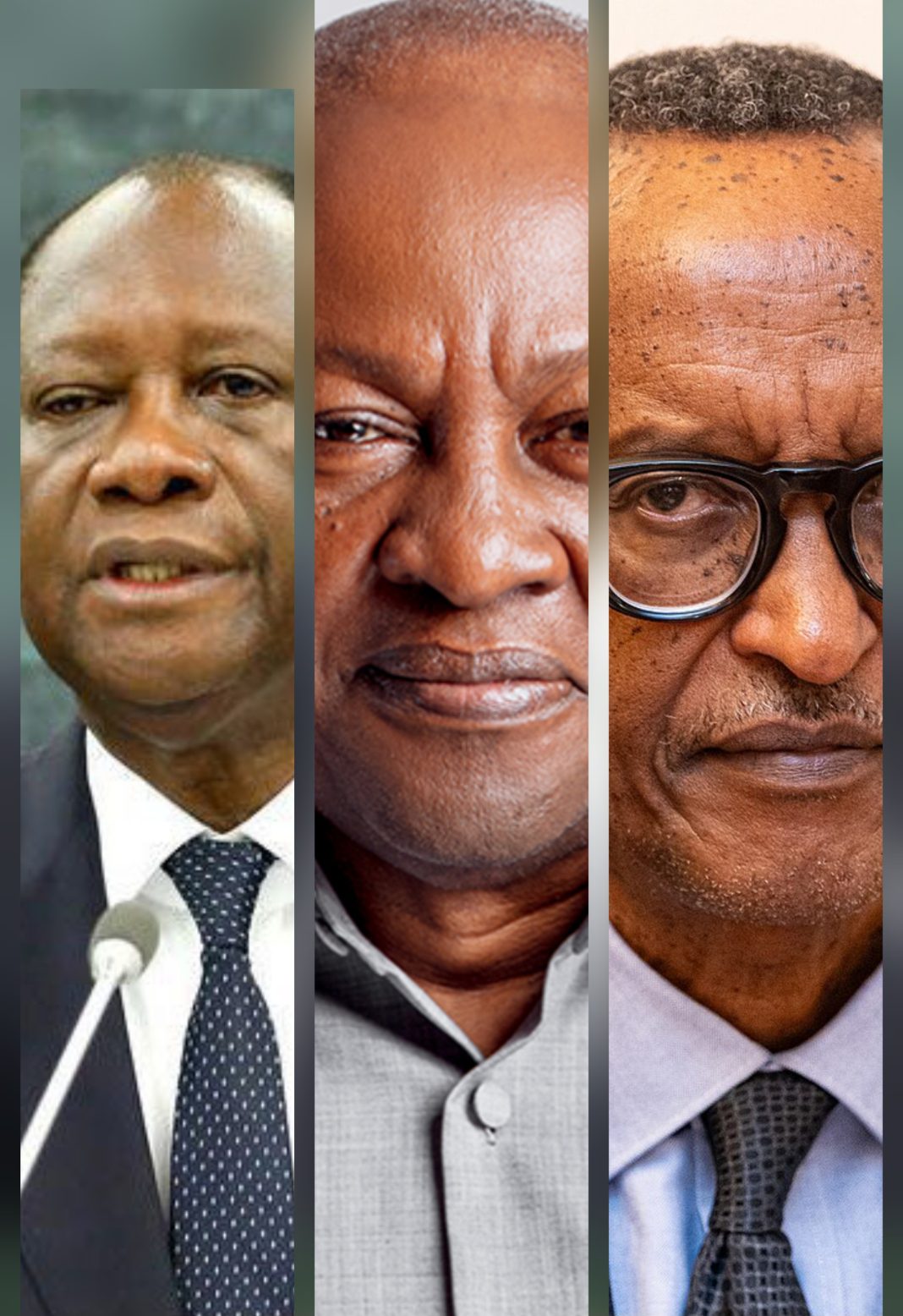
Regional leaders have urged Liberian President Joseph Boakai to reconsider drug-trafficking charges against former Vice President Jewel Howard-Taylor, saying intelligence briefings from their countries found no evidence that she was part of a transnational narcotics network, according to people familiar with the matter.
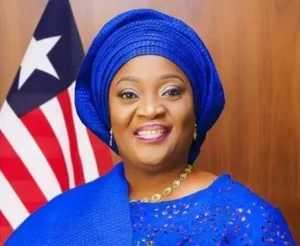
The leaders of Ghana, Ivory Coast and Rwanda contacted Boakai and questioned the circumstances of Taylor’s arrest, the sources said.
Boakai told them he had limited ability to intervene because the case involved American authorities, according to the people, who asked not to be identified discussing private diplomatic communications.
Ghana and Ivory Coast expressed concern about the manner in which Taylor was apprehended and said they doubted her involvement in cocaine trafficking.
Rwandan President Paul Kagame was more direct, telling Boakai that Rwanda operates one of the most sophisticated intelligence services on the continent and that his country’s spy agency had found no indication that Taylor belonged to or operated a narcotics network, according to sources within the presidency.
Rwanda’s primary intelligence agency, the National Intelligence and Security Service (NISS), is believed to have a global reach extending beyond East Africa into Europe and North America, where it reportedly conducts monitoring and infiltration operations.
Observers and members of foreign intelligence communities often rank NISS among the continent’s most capable services in terms of intelligence collection and operational vigilance.
The claims could not be independently verified. The government of Liberia did not immediately respond to requests for comment.
Liberian prosecutors have charged Taylor with drug trafficking, money laundering, criminal conspiracy and related offenses following the seizure of nearly four metric tons of cocaine in Duazon, east of Monrovia, on July 21. Authorities valued the drugs at about $317 million and described the seizure as one of the largest in Liberia’s history.
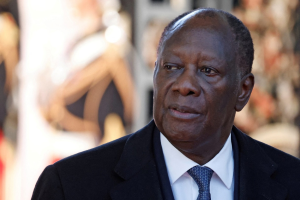
Taylor, who served as vice president from 2018 to 2024, was arrested Aug. 19 at Roberts International Airport while preparing to travel to Ghana, according to Liberia’s Information Ministry. She was taken to police headquarters and charged in connection with an alleged transnational narcotics network.
Justice Minister and Attorney General N. Oswald Tweh said the arrest was based on “credible available evidence.” Taylor is expected to be indicted by a grand jury before the case proceeds to court, the government said.
Three foreign nationals — two Croatians and a Ukrainian — have also been charged in absentia. Two other foreign nationals, one with dual Spanish and Colombian citizenship and another with a Serbian passport, were arrested during the July cocaine seizure, according to the government.
The charges follow an earlier drug seizure at Roberts International Airport in June, when authorities confiscated 237.6 kilograms of cocaine valued at more than $19 million.
Taylor has denied all allegations. In a statement issued Aug. 22, her office said she had never participated in, financed, facilitated or knowingly associated with a drug-trafficking operation. It described the arrest as politically motivated.
Her office also alleged that government actors were considering the use of artificial-intelligence-generated audio and video to fabricate evidence. No evidence supporting that allegation was provided.
The statement said Taylor’s official contacts while serving as vice president did not constitute evidence of criminal conduct and called for an investigation based on due process and independently tested evidence.
West Africa remains a key transit route for cocaine moving from South America to Europe, according to the United Nations Office on Drugs and Crime.
The regional scrutiny of Taylor’s case adds a diplomatic dimension to an investigation that has already drawn attention because of the scale of the seizures and the former vice president’s political profile.

