

By Peter Kollie | Lofa County
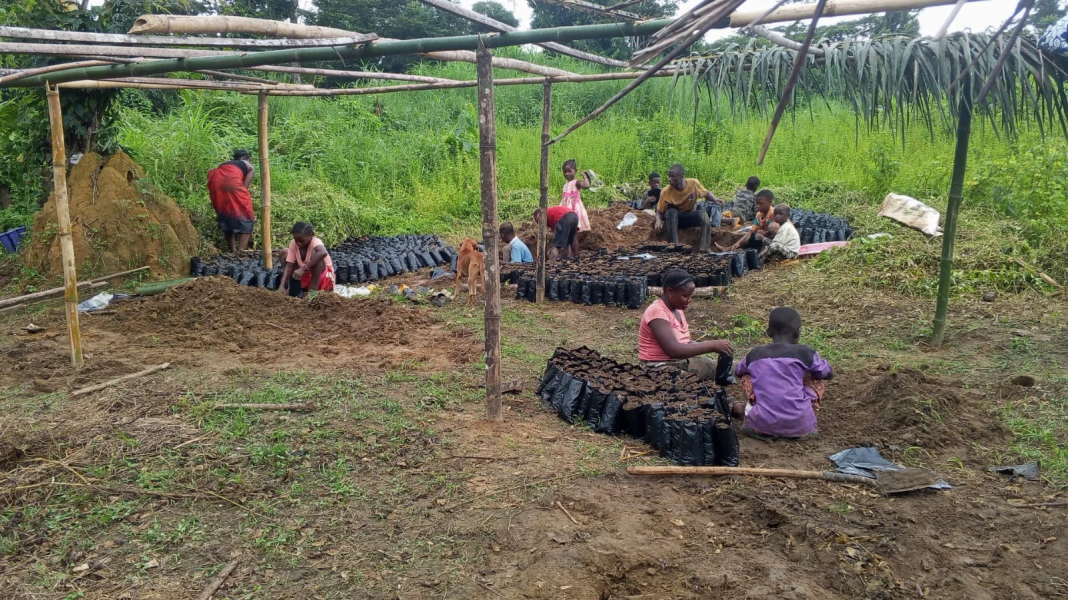
Farmers in Kponyansonyea Town are renewing their hopes for a brighter future after 18 residents were selected to benefit from a new cocoa farming initiative supported by the International Fund for Agricultural Development (IFAD).
The project, which includes both men and women, is expected to deliver fresh seedlings this week, rekindling optimism in a community that has struggled with past setbacks.
Resident farmer Edward Barkolleh recalled that IFAD first introduced cocoa farming to the town in 2021, distributing seedlings that were planted between 2021 and 2022. But the effort faltered. Many of the young plants died, largely because farmers lacked proper training in planting and care. “The training came late when most of the cocoa that was planted had already started dying,” Barkolleh explained.
The failure discouraged many residents who had hoped cocoa farming would become a reliable source of income. Now, with 18 new beneficiaries each set to receive 550 seedlings, farmers see the project as a second chance. Barkolleh said the program has promised to replace any seedlings that fail, giving participants confidence to prepare their farms for planting.
“This is a lifetime investment,” he said, noting that successful cocoa cultivation could help families pay school fees, medical bills, and other household expenses.
The earlier project had divided residents into two groups, but one was later dropped, leaving only a single group of beneficiaries. Farmers say the new initiative must avoid repeating past mistakes. They are calling for training to be provided before and during planting, along with regular technical support to protect seedlings from pests and disease.
For them, success will not be measured by the number of seedlings distributed but by how many trees survive to maturity and generate income.
Beyond cocoa, IFAD’s support is also reshaping infrastructure in Salayea. Barkolleh noted that the road linking Gbonyea Town to Kpayaquelleh has been undergoing rehabilitation, including the construction and repair of bridges. Previously, poor road conditions made travel difficult, especially during the rainy season, hampering farmers’ ability to transport produce.
“Movement between Gbonyea and Kpayaquelleh has already improved,” Barkolleh said, though he urged further work on the stretch from Gbonyea Junction to Gbonyea Town, which remains treacherous during heavy rainfall.
Improved roads, residents argue, are essential for moving cocoa and other crops to market, while also enhancing access to schools, health facilities, and services.
Madam Yamah Lavala, another resident, welcomed the new cocoa project as a vital opportunity for poor families. She emphasized that once the trees mature and begin producing, they could provide steady income to help parents meet household needs.
“This project is about more than seedlings,” Lavala said. “It is about giving families a chance to build a sustainable future.”
While enthusiasm runs high, residents remain cautious. They stress that the lessons of the failed 2021 project must not be forgotten. Proper training, timely technical support, and consistent monitoring will be critical to ensuring the new seedlings survive.
For farmers in Kponyansonyea, the stakes are clear: cocoa farming represents not just an agricultural venture but a pathway to long term household stability. With IFAD’s renewed support and improved infrastructure, they believe the community can finally turn cocoa into a lasting source of prosperity.

