

The International Labour Organization is backing Liberia’s plans to harmonize the legal frameworks governing public- and private-sector workers, as the government seeks to bring the country’s labor administration closer to international standards.
The ILO will support an upcoming National Labour Conference being organized by Liberia’s Ministry of Labour, where officials are expected to address differences between the rules governing the country’s two main categories of workers.
Private-sector employees are governed by the Decent Work Act, while public-sector workers operate under the Civil Service Standing Orders. The government is seeking to establish a more unified framework for workers across both sectors.
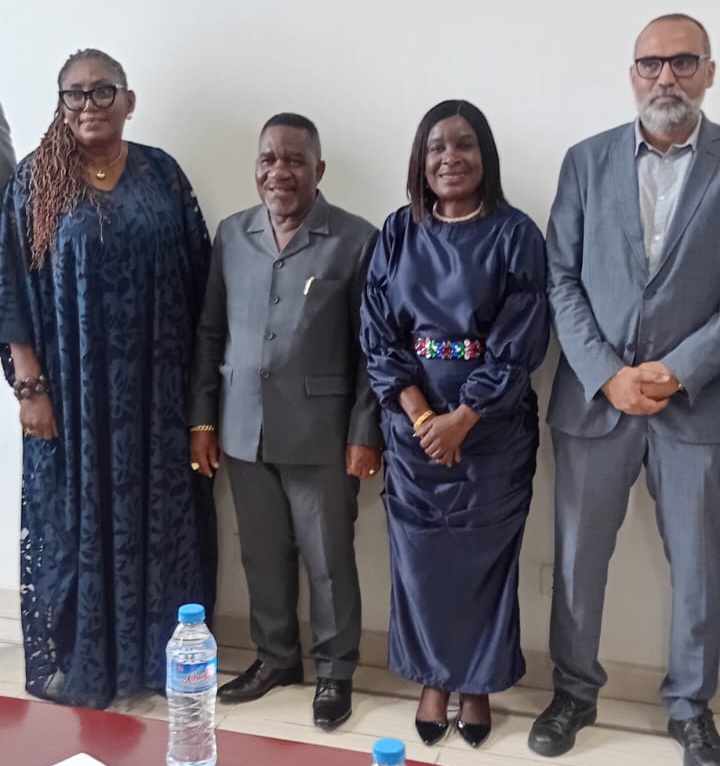
The commitment was made Monday during a meeting between Labour Minister Cllr. Cooper Kruah and a three-member ILO delegation visiting Liberia, according to a statement from the Ministry of Labour.
The delegation included Chinyere Emeka-Anuna, an ILO senior program officer; Karim Toumi, a skills and employability specialist; and Thomas Lieby, an international labour standards and law specialist.
The ILO officials expressed support for Kruah’s efforts to harmonize the two labor regimes and strengthen the administration and protection of workers’ rights, the ministry said.
The organization also emphasized the importance of a common labor framework for workers, in line with international labor standards, according to the statement.
The planned conference forms part of a broader effort by the Labor Ministry to improve coordination between the public and private sectors, including through worker training and measures to strengthen rights protections under the Decent Work Act.
The ILO delegation is also expected to meet with other government institutions and stakeholders during its weeklong visit to discuss areas of cooperation and labor governance.
Albert Jallah, head of the ministry’s Tripartite Department, said the National Labour Conference will be held shortly, without providing a specific date.
Liberia’s engagement with the ILO comes as the government seeks to strengthen labor institutions and bring its regulatory framework into closer alignment with international standards.

