

The President and Chief Executive Officer of Genesis Global Initiative, Fredrick Samuel Gibson Sr., has called for urgent dialogue and practical action to resolve the ongoing dispute between teachers and authorities within the Monrovia Consolidated School System (MCSS), warning that prolonged classroom disruptions could have serious consequences for thousands of students.
In a statement issued on the continuing teachers’ action, Gibson expressed solidarity with educators and school workers seeking redress for concerns related to salaries, employment conditions, benefits, and workplace welfare. At the same time, he stressed that students should not continue to bear the consequences of an unresolved labor dispute.
“Teachers are essential to Liberia’s future,” Gibson stated, emphasizing that educators deserve to be treated with dignity and have their concerns addressed through meaningful engagement and good-faith negotiations.
According to him, when teachers and support staff raise issues involving salary adjustments, employment arrangements, or welfare commitments that remain unresolved, the appropriate response should be transparent communication and timely efforts to find lasting solutions.
Gibson also voiced concern over recent public exchanges surrounding the dispute, warning that inflammatory rhetoric could deepen tensions and undermine efforts to reach common ground. He particularly cautioned against statements that may be perceived as blaming teachers for the crisis, noting that such remarks risk worsening mistrust at a time when calm and constructive leadership are most needed.
“Government officials have a responsibility to communicate in ways that lower tensions and open a path to resolution,” he said, urging all parties to refrain from personal attacks, threats, retaliation, or language capable of escalating the situation.
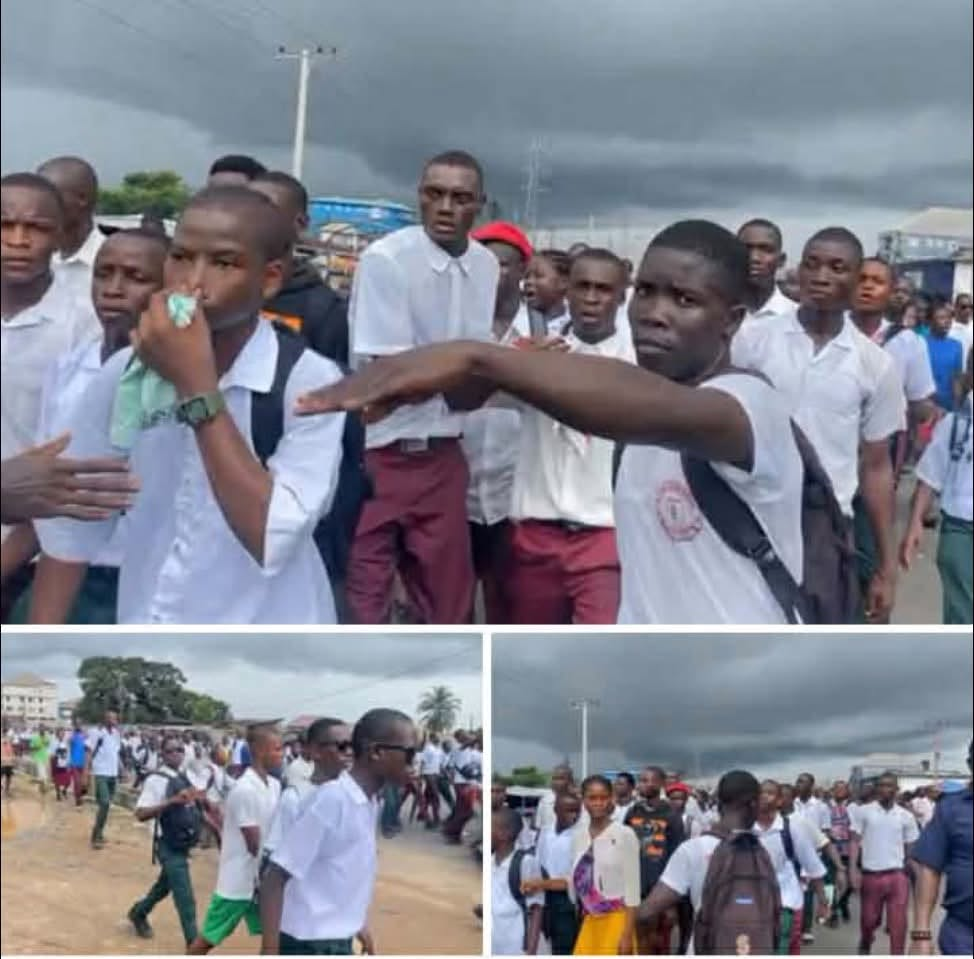
Addressing the plight of students, Gibson stressed that young people should not become instruments in a labor dispute. However, he noted that their concerns and peaceful expressions must be taken seriously because they are directly affected when classrooms remain closed and instruction is interrupted.
He welcomed reports that the Ministry of Education had convened an emergency stakeholder meeting but said the engagement must now translate into concrete outcomes.
To move the process forward, Gibson called on the Ministry of Education, MCSS leadership, the teachers’ association, and relevant government authorities to agree on a series of measures, including a transparent review of the March 2025 Memorandum of Understanding (MOU) and the commitments that remain contested.
He further advocated for a written and time-bound roadmap addressing the status of volunteer teachers, qualification-based salary adjustments, and the welfare concerns of teachers and support personnel. He also urged stakeholders to adopt a clear plan for restoring classroom instruction and ensuring regular public updates on progress.
Recognizing the academic consequences of the disruption, Gibson proposed a catch-up learning program for affected students, particularly those preparing for West African Examinations Council (WAEC) assessments.
“Every lost week matters,” he warned, noting that extended interruptions could place MCSS students at a disadvantage compared to their peers in schools where instruction continues uninterrupted.
Gibson concluded by urging all sides to prioritize the welfare of students and work toward an amicable and transparent settlement.
“Liberia cannot build its future while thousands of students are kept from the learning they need,” he said. “Education cannot be protected by accusations or delay. It requires responsible leadership, dialogue, and action that restores trust.”
The appeal comes amid continued uncertainty in the public school system, as stakeholders seek a resolution that safeguards both the rights of teachers and the educational future of Liberia’s students.

