

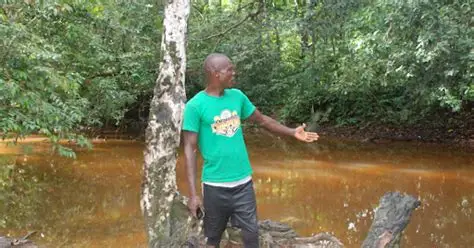
The Environmental Protection Agency (EPA) has confirmed Bea Mountain Mining Corporation (BMMC) as the source of chemical contamination that killed large numbers of fish in Marvoe Creek, exposing concealed burial sites along the waterway.
EPA investigators, supported by Joint Security forces, traced the pollution to a diversion structure at the base of BMMC’s underground operations. Laboratory analysis identified cypermethrin, a highly toxic chemical, as the cause of the mass die-off.
During the probe, officials uncovered multiple sites where dead fish had been buried. According to the EPA, BMMC personnel carried out the burials, initially denying involvement before admitting they acted to prevent residents from consuming contaminated fish.
The agency condemned the concealment and delayed disclosure as “deeply problematic,” citing failures in incident reporting and transparency. It pledged to pursue legal, regulatory, and administrative measures against those responsible.
Residents have been warned not to drink water from Marvoe Creek or consume aquatic life from affected areas until further notice. Broader environmental audits are now underway across concession areas operated by BMMC, China Union, and Sethi Brothers Incorporated. Findings will be released publicly, the EPA said.
“The EPA remains committed to safeguarding public health and Liberia’s natural environment,” the agency declared, promising regular updates as investigations continue.
The incident has sparked concern among communities living near mining concessions, where reliance on rivers and creeks for drinking water and food is common. Environmental advocates argue the episode underscores systemic weaknesses in corporate accountability and regulatory enforcement.
Cypermethrin, widely used as an agricultural pesticide, is highly toxic to fish and aquatic organisms. Experts warn that contamination of waterways can devastate ecosystems, disrupt livelihoods, and pose long-term health risks to residents.
The EPA’s confirmation of BMMC’s role marks a significant step in assigning responsibility for the disaster. However, questions remain about how quickly authorities acted and whether safeguards are sufficient to prevent future incidents.
As audits expand to other mining concessions, the case is expected to test Liberia’s environmental governance and the ability of regulators to hold powerful corporations accountable. For residents of Marvoe Creek, the immediate concern remains access to safe water and food—a reminder of the fragile balance between industrial activity and community survival.

