

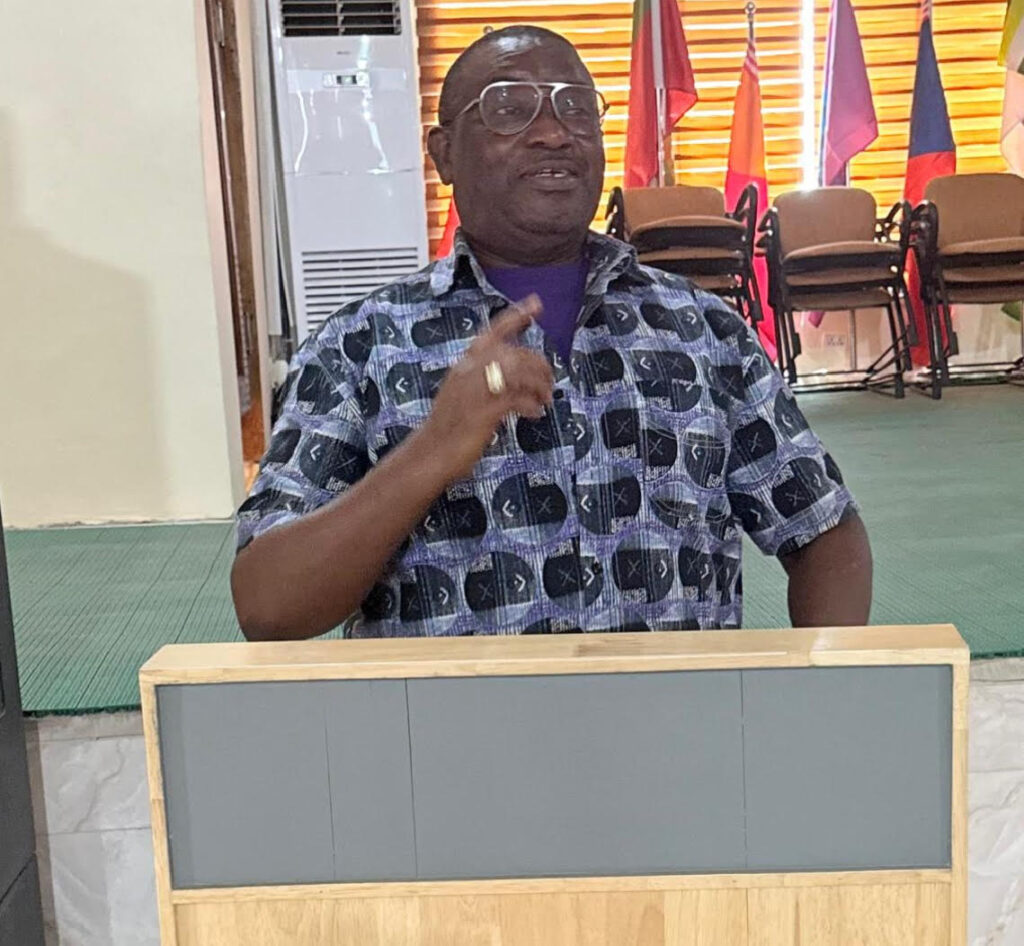
By Keith Morrison Ganta, Nimba County
The Executive Director of the National Elections Commission of Liberia (NEC), Anthony K. Sengbe, has called for the decentralization of Liberia’s electoral processes, arguing that such reforms would strengthen democratic participation, enhance transparency, and cut costs.
Speaking at the close of a three-day BRIDGE Workshop on gender equality, social inclusion, and disability rights, Sengbe said decentralization would bring electoral services closer to citizens, particularly marginalized groups such as women, youth, and persons with disabilities.
“Decentralization is critical to strengthening Liberia’s democracy. It ensures no citizen is left behind while making electoral processes more efficient, cost-effective, and transparent,” Sengbe stated.
He explained that shifting key election-related duties from NEC headquarters in Monrovia to local magisterial offices would ease logistical burdens, reduce operational expenses, and improve service delivery. The move, he added, would also allow tailored solutions to address barriers faced by vulnerable communities.
Sengbe emphasized that inclusion must extend beyond voter participation to encompass voter education, candidate engagement, election administration, and decision-making structures. “Persons with disabilities should be fully integrated into our electoral processes—not only as voters, but also as candidates, electoral staff, observers, and stakeholders in decision-making,” he said.
The NEC Executive Director reaffirmed the Commission’s commitment to its core values of integrity, transparency, accountability, and inclusivity. He noted that the NEC Strategic Plan (2026–2030) identifies decentralization as a priority for strengthening governance, improving service delivery, and fostering public trust in elections.
The workshop, organized by NEC in collaboration with UN Women and supported by the Liberia Electoral Support Project (LESP) and development partners, sought to build the capacity of electoral staff to design and implement inclusive processes responsive to all citizens.
Sengbe also recalled recommendations made during the Regional Media–Security Dialogue held between December 2025 and January 2026, where he proposed decentralizing the accreditation of journalists with active involvement from the Press Union of Liberia (PUL).
He stressed that decentralization would not only improve efficiency but also deepen community engagement, ensuring that electoral reforms reflect the realities of local populations. “Inclusive electoral management is about creating systems that respond to the needs of every citizen,” Sengbe said.
The NEC continues to work with national and international partners to advance reforms aimed at making Liberia’s democratic processes more transparent, inclusive, and sustainable.

