

In a dramatic show of international resolve, Morocco and the United Kingdom have spearheaded a coalition of eight nations spanning four continents to confront one of humanity’s darkest scourges: violence against women and girls. Officials unveiled the initiative at a high‑level ministerial meeting, declaring an audacious goal — to cut gender‑based violence worldwide by half within the next decade.
The coalition brings together Morocco, the UK, Spain, Brazil, Australia, Bosnia and Herzegovina, Jamaica, and South Africa. Leaders say the alliance will strengthen global cooperation, share policy expertise, and galvanize political commitments to tackle what the United Nations has long described as a “shadow pandemic.”
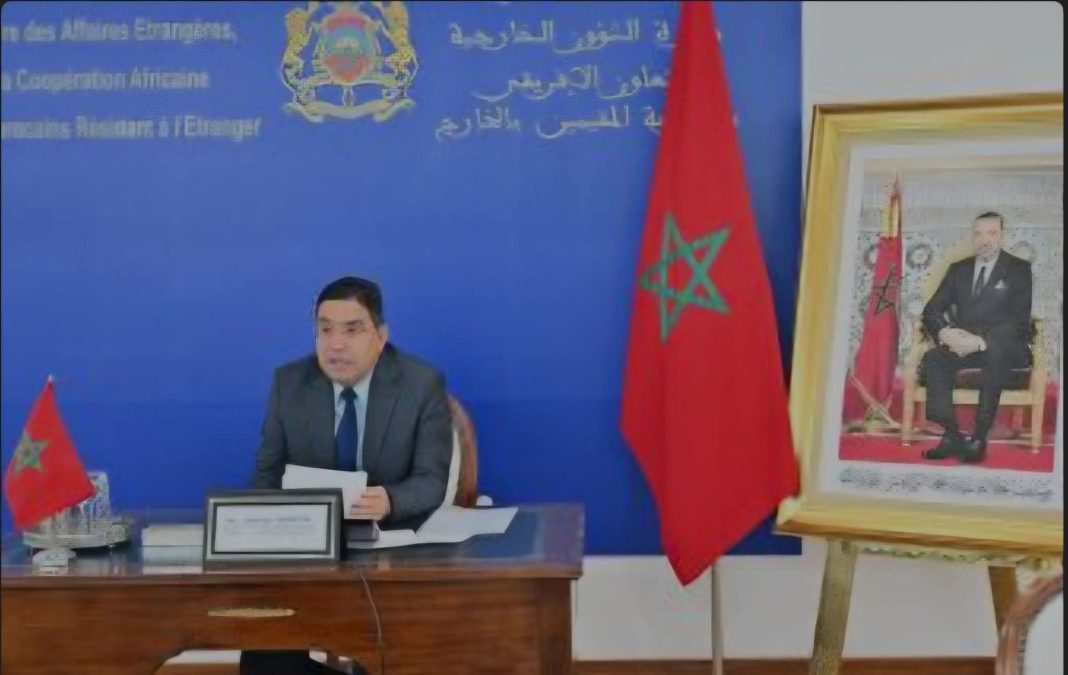
Representing Morocco, Foreign Minister Nasser Bourita joined senior UK official Yvette Cooper in formally launching the pact. Bourita underscored the urgency of collective action, insisting that “every woman and girl must live in dignity, safety, and equality.”
The statistics are staggering. UN estimates reveal that nearly one in three women — approximately 736 million worldwide — have endured physical or sexual violence, often at the hands of intimate partners. Beyond the human toll, studies show gender‑based violence drains economies, reduces workforce participation, and entrenches poverty.
The coalition’s agenda is sweeping: stronger institutional frameworks, coordinated national action, and new defenses against emerging threats such as cyber harassment, online exploitation, and digital stalking.
Bourita spotlighted Morocco’s own reforms, positioning the kingdom as a regional leader in gender protection. Law No. 103.13, enacted in 2018, criminalizes multiple forms of abuse and strengthens victim protections. In 2021, Morocco adopted a National Policy to Combat Violence Against Women and Girls, aiming for elimination by 2030 through prevention programs, legal reforms, and victim support services.
This initiative is not without precedent. The global fight against gender violence has roots in landmark moments: the 1995 Beijing Declaration, which placed women’s rights at the center of international policy; the UN’s 1979 Convention on the Elimination of All Forms of Discrimination Against Women (CEDAW), often called the “international bill of rights for women”; and the #MeToo movement of the 2010s, which exposed the pervasiveness of abuse across industries and borders. Each milestone chipped away at silence and denial, but the persistence of violence underscores the need for renewed, coordinated action.
The coalition’s joint declaration outlines guiding principles: prioritize prevention, dismantle structural inequalities, strengthen accountability, and expand survivor support. Diplomatic sources confirm that an International Summit on Violence Against Women and Girls will convene in 2027, serving as a global report card on progress.
Observers say this pact could mark a turning point in cross‑regional diplomacy, especially as nations grapple with evolving threats tied to technology, conflict, and inequality. Advocates argue that violence against women is not a domestic issue but a transnational challenge demanding sustained financing and political will.
If successful, the coalition’s ambition to halve violence in ten years would stand as one of the most significant human rights victories of the 21st century — a testament to the power of nations uniting against injustice.

