

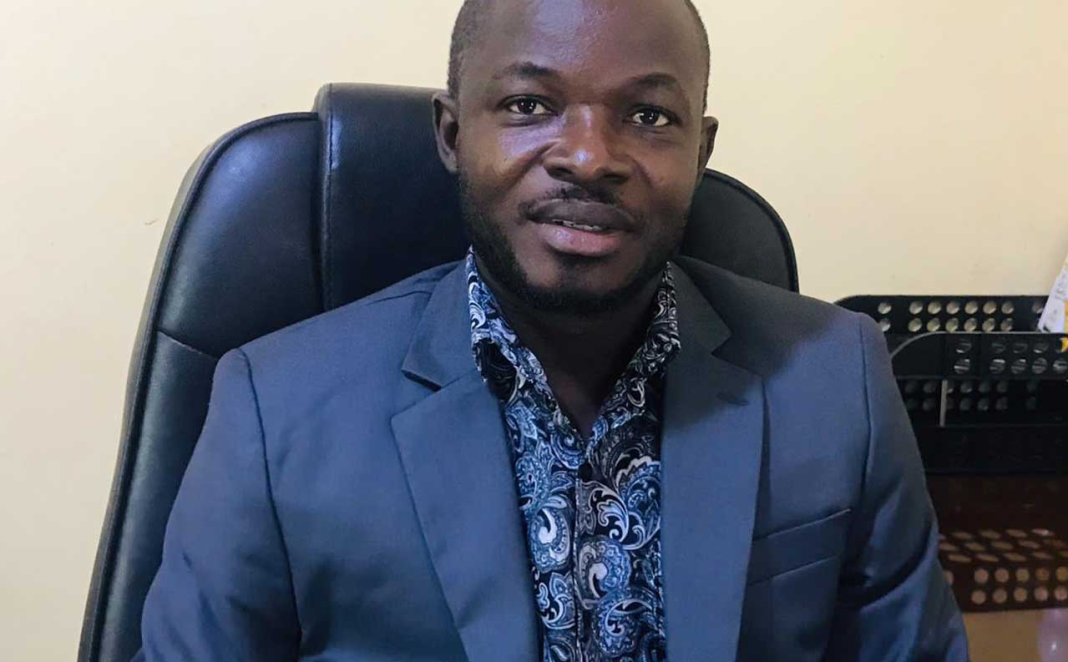
By E. J. Nathaniel Daygbor
Rarely does an internal dispute inside a public institution explode into a national test of governance, influence, and credibility. Yet that is precisely what is unfolding within the Liberia Agriculture Commodity Regulatory Authority (LACRA). What began as the suspension of a senior official has spiraled into a storm of allegations—interference, intimidation, competing centers of authority, and whispers of a “powerful hand” manipulating outcomes beyond formal structures.
Interviews with former executives, field officers, and sector stakeholders reveal an institution not merely wrestling with personnel disputes, but grappling with fundamental questions: Who truly controls Liberia’s commodity sector? And can reforms survive the siege?
Long before the suspension of Deputy Director General for Operations and Technical Services, Godai Kortu Alpha Gongolee, concerns about authority and influence simmered quietly within LACRA. Those whispers burst into public view when field officers and stakeholders began describing patterns of interference that undermined enforcement and oversight.
What emerged was not a simple clash of personalities but a deeper struggle over accountability, regulatory power, and the future of one of Liberia’s most strategically vital institutions. Today, those tensions have escalated into a national debate about governance itself.
LACRA regulates cocoa, coffee, oil palm, and other commodities that generate millions annually. It oversees licensing, quality assurance, export monitoring, and traceability systems designed to protect farmers and national revenues.
When those systems function, confidence in Liberia’s commodity sector grows. When they falter, smuggling thrives, revenues collapse, and oversight weakens.
“This is bigger than one person,” one sector observer stressed. “The real issue is whether the institution can enforce its own regulations without interference.”
Supporters of Director General Dan T. Saryee argue that tensions intensified only after reforms began to bite. Expanded traceability initiatives, tighter licensing verification, stronger export monitoring, and aggressive anti smuggling measures marked a turning point.
To supporters, these reforms represent long overdue modernization. To critics, they triggered a clash of interests—where enforcement collided with entrenched influence.
The result: LACRA has become a battleground between visions of accountability and the shadow of power.
Former Director General Christopher Sankolo’s remarks added fuel to the fire. Though reluctant to revisit old controversies, his words carried weight:
“That heavy hand behind that thing—it will not go anywhere,” he said.
Pressed further, Sankolo suggested that influence surrounding the Authority had long complicated internal reforms. “The people controlling this country, their hands are in that thing.”
He painted a metaphor that now haunts the debate: “It is like I put you in the house and I stand at the door. Before anything comes to you, it has to pass through me.”
The implication was chilling: decisions inside LACRA may be shaped not by official reporting lines but by unseen forces.
Field Officers Speak Out
Grand Gedeh County Coordinator Jairus D. Mitchell offered the most detailed allegations. He described incidents where enforcement duties were obstructed.
Respecting Gongolee as his superior, Mitchell nonetheless alleged interference when he questioned a commodity buyer’s license. The buyer reportedly contacted Gongolee directly, after which Mitchell faced threats of dismissal or relocation.
“He started to threaten my dismissal. If you play with me, you will not work,” Mitchell recalled.
To him, this was not mere disagreement—it was intimidation.
Matters escalated when Mitchell sought verification from LACRA’s Marketing Department. Before checks could be completed, another communication reportedly intervened.
“I see the action of my boss as interference and intimidation,” Mitchell said, alleging that the buyer was of particular interest to the suspended official.
Though investigators could not verify every detail, multiple sources confirmed that field level concerns had reached senior management circles.
Beyond any single suspension or transaction lies a larger question: Can LACRA sustain reforms designed to strengthen accountability, combat smuggling, and modernize oversight? Or will competing interests and allegations of interference derail progress?
The answers will shape public confidence, investor perceptions, and Liberia’s broader struggle for institutional credibility.
For now, one reality is undeniable: the controversy has outgrown internal disputes. It has become a test of power, reform, and governance at one of Liberia’s most important regulatory agencies.
The crisis took a darker turn on May 25, 2026. Independent Newspaper Editor in Chief Domminic Farley was physically attacked on Crown Hill, opposite the Oracle News Daily offices. The assault was allegedly ordered by suspended Deputy Director General Gongolee, accompanied by associates.
Farley had been pursuing investigations into corruption, smuggling, and interference at LACRA. The attack occurred just as he and Oracle News Daily Editor-in-Chief E. J. Nathaniel Daygbor were jointly probing allegations of political shielding, governance conflicts, and resistance to reforms.
The incident underscored the stakes: reform is not merely resisted—it is fought with intimidation and violence.
What began as a suspension has erupted into a national drama. Allegations of interference, intimidation, and violence now threaten to overshadow reforms meant to safeguard Liberia’s commodity trade.
At its heart, the LACRA controversy is no longer about one man. It is about whether institutions can withstand the weight of influence and enforce accountability in the face of resistance.
Liberia’s commodity sector—and its credibility on the global stage—hangs in the balance.

