

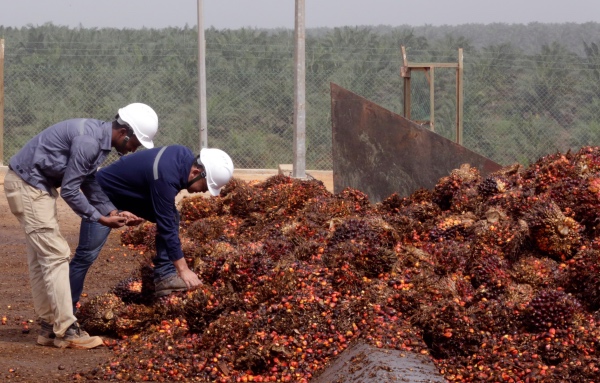
Liberia’s long delayed reckoning with concession governance has erupted into the spotlight as the National Bureau of Concessions (NBC) unveiled explosive compliance review reports on two of Maryland County’s largest agricultural giants — Cavalla Rubber Corporation (CRC) and Maryland Oil Palm Plantation (MOPP). The findings call for sweeping renegotiations, branding the agreements “antiquated” and unfit for Liberia’s modern economic realities.
NBC Director General Hanson Senu Kiazolu Sr. presented the reports to the Maryland County Legislative Caucus, declaring that years of mandatory reviews had been neglected. “These concessions must be modernized to reflect present-day realities and ensure both investors and host communities benefit fairly,” Kiazolu insisted, underscoring Liberia’s broader push for transparency and accountability in resource management.
The reports expose outdated provisions, weak compliance, and gaps in community benefit mechanisms. Among the most urgent recommendations: the creation of ring-fenced Community Development Funds to channel revenues directly into schools, hospitals, roads, clean water systems, and youth empowerment projects. NBC confirmed that independent accountants verified concessionaire obligations, with companies requesting clearer policy guidance rather than rejecting contributions outright.
Lawmakers hailed the reviews as historic. Representative Anthony Williams of Pleebo Sodoken District praised the achievement, noting that concession agreements dating back to 2011 had never undergone the required five-year reviews. “This is a dream come true for Maryland County,” Williams said, endorsing the call for dedicated development funds and citing Nimba County’s success under ArcelorMittal Liberia as a model.
Analysts argue the Maryland reports could set a precedent nationwide, reshaping Liberia’s investment frameworks across mining, agriculture, forestry, and energy. With more than 30 active concessions covering vast swaths of land, the stakes are immense: billions in investment, thousands of jobs, and the promise of sustainable growth.
For Liberia, the question is stark — will concessions finally deliver lasting benefits, or remain symbols of broken promises?

