

By E. J. Nathaniel Daygbor
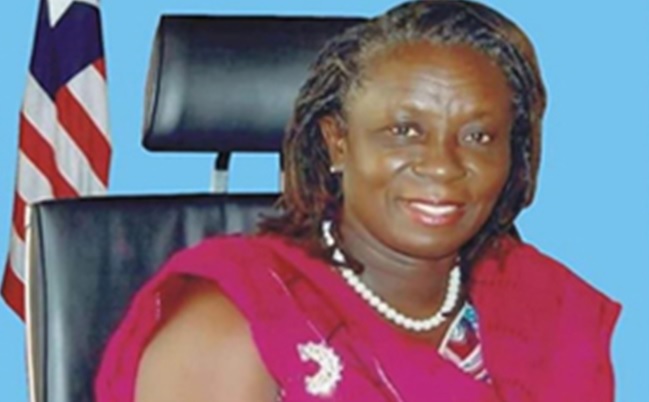
In an unexpected twist to Liberia’s high-profile corruption saga, the government has abruptly dropped criminal charges against former General Services Agency (GSA) Director-General Mary Broh, removing her from the “Saudi Rice” case that has gripped national attention.
The Criminal Court “C” at the Temple of Justice on Tuesday, August 18, ordered Broh’s criminal bond returned, officially clearing her from the indictment. Prosecutors confirmed they would no longer pursue charges against her, though they stopped short of declaring her innocent or guilty.
The case, however, continues against a dozen other former officials accused of siphoning humanitarian aid.
Presiding Judge Ousama Fieka directed state prosecutors to provide clearer copies of key documents after defense lawyers complained that portions of the evidence were missing or unreadable. The ruling came minutes after the defendants were arraigned, all pleading not guilty to charges of theft of property, economic sabotage, misapplication of entrusted funds, abuse of office, and criminal conspiracy.
Prosecutors swiftly petitioned the court to select and sequester jurors, underscoring the gravity of the trial. The jury will serve as judges of fact in what analysts describe as one of Liberia’s most consequential corruption cases in recent memory.
The government’s sweeping indictment named former Foreign Affairs Minister Dee-Maxwell Saah Kemayah, former Internal Affairs Minister Varney A. Sirleaf, former NDMA Executive Director Henry O. Williams, and several deputy ministers, among others. They stand accused of diverting 29,412 bags of rice—valued at approximately US$500,000—donated by the Kingdom of Saudi Arabia in April 2023 for disaster victims.
According to prosecutors, the rice was allegedly misappropriated through unauthorized meetings and undocumented distributions, sparking outrage among citizens who viewed the aid as a lifeline during economic hardship.
Mary Broh’s removal from the case has raised eyebrows. Once a central figure in the indictment, her sudden exit has fueled speculation about prosecutorial strategy and political maneuvering. Legal experts note that the dismissal does not equate to exoneration but rather reflects the prosecution’s decision to halt proceedings against her.
Broh’s departure narrows the focus squarely on the remaining defendants, who now face trial under intense public scrutiny. They remain presumed innocent until proven guilty.
The trial has become a litmus test for Liberia’s judiciary, long criticized for sluggish proceedings and political interference. With international partners watching closely, the outcome will signal whether Liberia can credibly confront corruption and safeguard humanitarian aid.
For ordinary Liberians, the stakes are deeply personal. The alleged theft of relief rice represents not just financial loss but betrayal of public trust. As the trial unfolds at the Temple of Justice, citizens await answers—and accountability.

