

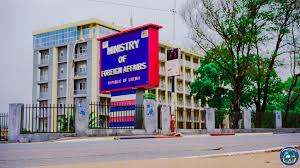
The Ministry of Foreign Affairs has strongly refuted recent allegations suggesting that Liberia has been selected to host U.S. deportees, particularly those described as “criminals and illegal immigrants.”
In a formal statement, the Ministry clarified that the Government of Liberia is not engaged in any discussions or negotiations regarding receiving third-party nationals from the United States.
“There are no ongoing discussions related to third-party nationals, and Liberia has not entered into any agreement, formal or informal, that obligates us to receive individuals who are not Liberian citizens,” the statement said.
The Ministry’s response sought to dispel what it termed a “grossly distorted narrative” regarding U.S.-Liberia bilateral cooperation. Furthermore, it cautioned the public and media against spreading misinformation and disinformation, urging journalists to refrain from publishing baseless claims that could damage Liberia’s reputation.
The Ministry also acknowledged that it is actively engaged with U.S. authorities to address specific issues that could affect travel to the United States from Liberia.
Among these issues are instances of fraudulent documentation presented to the U.S. Embassy, including court papers, affidavits, and birth certificates. Additionally, the slow prosecution of fraud cases and high rates of visa overstays by Liberians are significant topics of discussion between the two governments.
“We are working collaboratively with the U.S. government to tackle these issues comprehensively to prevent Liberia from being placed on any travel ban,” the statement read.
The Ministry of Foreign Affairs further encouraged all Liberians, especially those in the diaspora, to adhere to U.S. regulations when traveling, emphasizing the importance of returning within the legally stipulated timeframe stated during visa interviews. Failure to comply can have severe implications for future visa applications.
The Government of Liberia has expressed its commitment to providing further information to the public, helping citizens understand the consequences of overstaying and the significance of presenting accurate documents when engaging with U.S. authorities.

