

Over 800 part-time lecturers at the University of Liberia (UL) have gone unpaid for more than six months, sparking outrage and calls for sweeping reforms. Despite signing contracts in February 2025 and fulfilling teaching duties for Semester I, many adjunct faculty members have yet to receive compensation—some dating back to the previous semester.
Only about 150 lecturers have received partial payments, leaving the majority in financial distress. Faculty members report walking long distances to campus, skipping meals, and facing eviction due to unpaid wages. The situation violates Liberia’s Decent Work Act and international labor standards, including ILO Convention No. 95.
University departments—Human Resources, Payroll, and the Comptroller’s Office—have been mired in blame-shifting, with no resolution in sight. Lecturers were also denied copies of their contracts, raising concerns about transparency and accountability.
The Adjunct Faculty Association has issued a list of demands to the UL administration and the Government of Liberia, including:
Immediate payment of all outstanding salaries; written confirmation of payment details; full disclosure of contract records; removal of key finance and HR officials over alleged mismanagement and nepotism ad structural reforms to prevent future delays
The Association also calls for the retirement of long-serving administrators and a reallocation of resources toward academic staffing and student services.
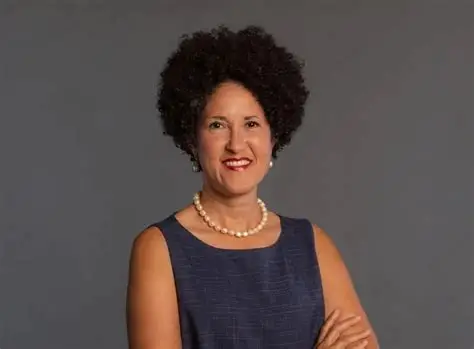
UL President Dr. Layli Maparyan, a U.S.-based academic, faces mounting pressure to address the crisis. Critics argue that such prolonged non-payment would be unacceptable in any functioning labor system and tarnishes the university’s reputation.
As the crisis deepens, students are beginning to feel the impact through disrupted classes and declining instructional quality. The Association warns that if their demands are ignored, they will escalate the matter through media engagement and public mobilization.
With Liberia’s flagship university at a crossroads, stakeholders say urgent action is needed to restore trust, uphold labor rights, and safeguard the future of higher education.

