

By Festus Poquie
Liberia’s Ministry of Finance and Development Planning is reporting a drastic reduction in World Bank’s energy aid, nearly three months after the presidency announced a billion-dollar agreement with the Washington based lender.
Under a new country partnership framework, the Bank has agreed to commit $400 million to support Liberia’s development programs, the Ministry said in a statement published on its Facebook account.
“The New Country Framework, which will be submitted to the World Bank Board at the end of the month , focuses on support to Energy, to increase Liberia’s Energy Access from 33% to 75%, which will help reduce the cost of electricity and increase access to electricity Education, Agribusiness, Digital Transformation and others.
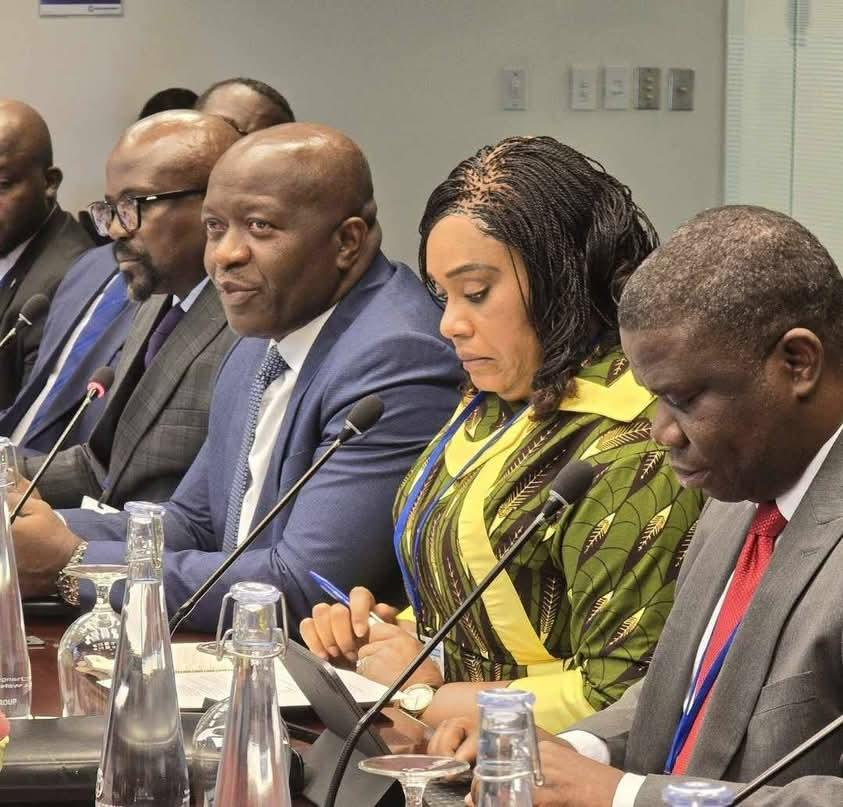
“This new funding commitment by the World Bank was disclosed by the World Bank Vice President Ousman Diagana, during a meeting with the Liberian delegation led by Finance Minister Augustine Kpehe Ngafuan.”
In January 2025, the Liberian presidency said it secured Energy Compact with the World Bank to mobilize a total investment of $1.3 billion, with an immediate allocation of $800 million designated for the expansion of the St. Paul Hydro Project .
But the new country framework, which guides the Bank’s engagement with the country for the next four to six years appears to have revised commitment level from the original $1.3 billion to just $400 million, representing a $900 million cut in energy aid.
Under the Compact, the goal is to expand energy access to an additional 100,000 households annually, a substantial increase from the previous 70,000.
The initiative is designed to help Liberia achieve 75% national electricity coverage by 2030, a remarkable rise from the current figure of 32.7%.
“This Energy Compact is a game-changer. We are determined to ensure that these investments translate into tangible improvements in the lives of our people,” President Joseph Boakai said upon returned from the Africa Energy Summit in Tazania.
The Compact is aligned with the broader vision outlined in the Dar es Salaam Declaration, aimed at providing electricity access to an additional 300 million people across Africa by 2030.

