

By E. J. Nathaniel Daygbor
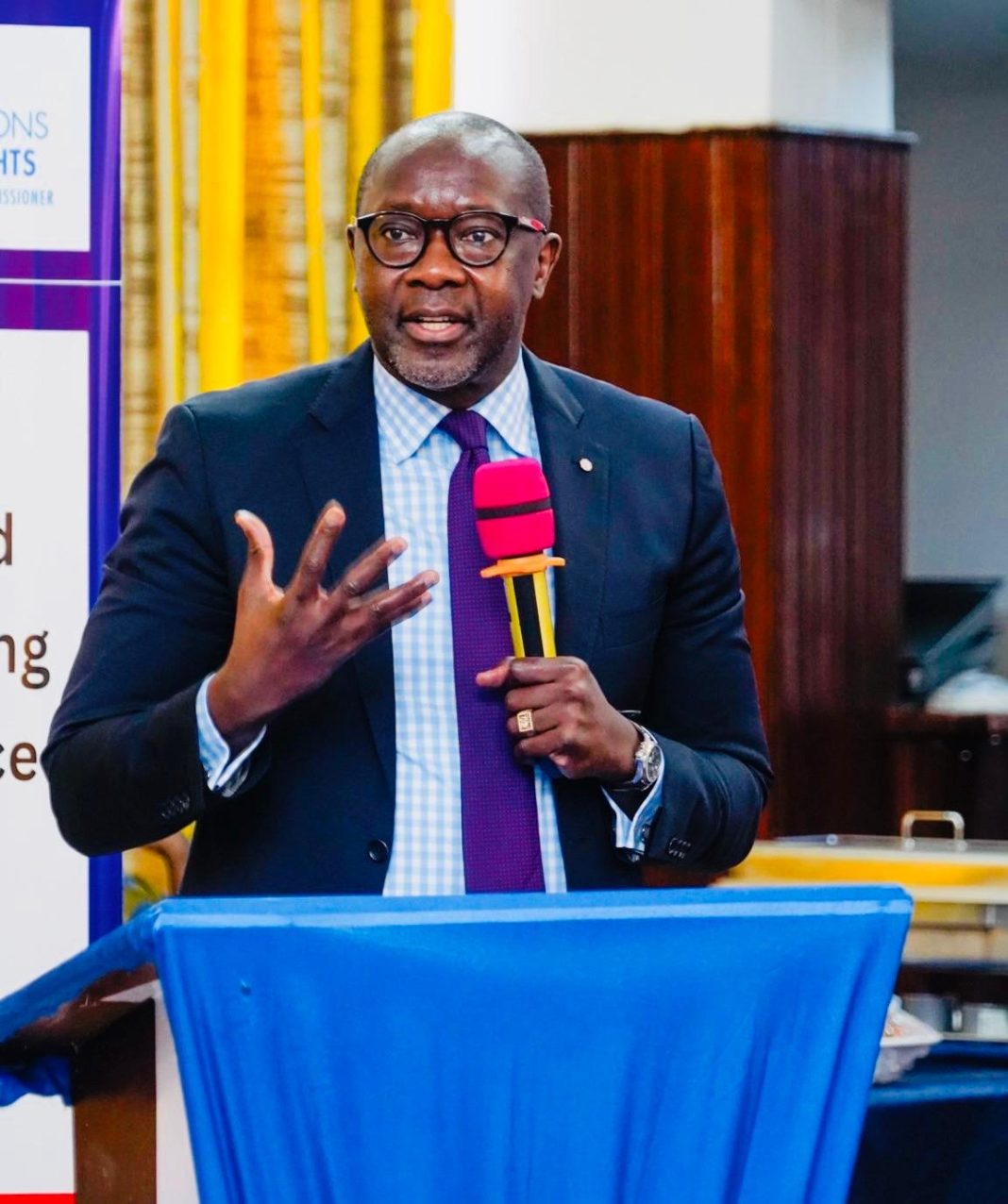
Gbarpolu County Senator Amara Konneh has raised alarm over a recent World Bank report detailing Liberia’s persistent economic challenges, including high poverty and unemployment rates, a stagnant private sector, and the absence of meaningful structural reforms.
In a statement posted to his social media platform, the former finance minister emphasized that the report goes beyond macroeconomic indicators to highlight the human toll of Liberia’s economic stagnation.
He pointed to sharp contractions in key sectors—mining declined from 11.9% to 1.8%, while manufacturing fell from 32.4% to 7.1%—as evidence of the daily hardships Liberians face.
“The data paints a stark picture that supports the World Bank’s findings: life expectancy is now 61 years, school enrollment and educational attainment remain low, and 1.6 million Liberians—nearly the size of our voting population—live on less than $3 a day,” Konneh said.
“If that doesn’t grab our attention, I don’t know what will. These issues are not new, but how the administration responds will define President Boakai’s legacy and the Unity Party’s prospects for another term.”
Konneh contrasted the current administration’s performance with that of former President George Weah, noting that while GDP growth averaged 4.8% in 2022 and 4.7% in 2023, it was undermined by high inflation—7.6% in FY2022 and 10.1% in FY2023—and a fiscal deficit of 7.1% in FY2023.
“The main problem was Weah’s failure to attract new investments and create jobs, leaving most citizens unaffected by the macroeconomic gains—an outcome that contributed to his electoral defeat,” Konneh argued.
“Under President Boakai, the fiscal deficit has improved to 2% in 2024, but growth has slowed to 4%, and inflation remains elevated at 8.3%.”
He noted that his earlier warnings about the need for structural reforms were met with resistance, even from allies within the Unity Party. However, he believes the current data vindicates his position.
“This is how we tackle the real issues that matter most to our people,” he said. “Winning the public relations battle on the political economy is one of the hardest tasks for any government—especially when people’s pockets are empty.”
The World Bank report echoes these concerns, warning that “structural weaknesses continue to limit job creation and private-sector development.” It urges the Liberian government to pursue “job-rich growth” to transform macroeconomic stabilization into inclusive progress.
Konneh underscored the importance of addressing long-term economic flaws—such as poor infrastructure, rigid labor markets, inadequate investment, and weak financial regulation—that hinder efficiency and leave the economy vulnerable to shocks.
“GDP isn’t the only measure of a nation’s well-being,” he concluded. “We must focus on reforms that translate into real improvements in people’s lives.”

