

By E. J. Nathaniel Daygbor
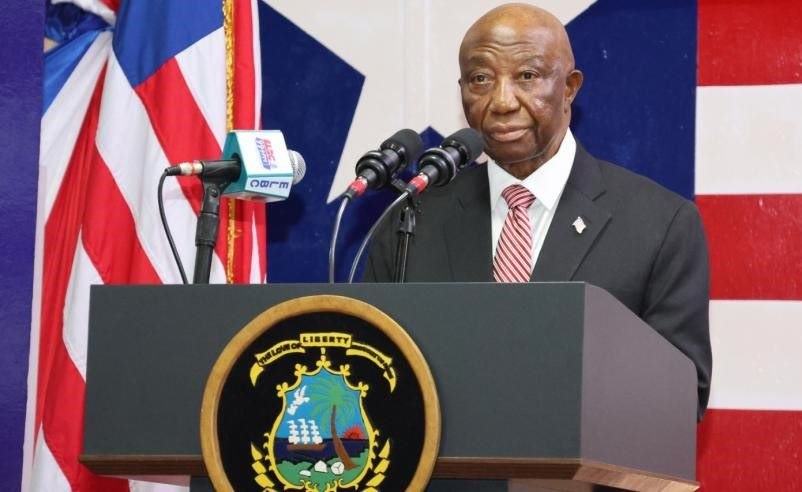
President Joseph Nyuma Boakai has told members of the National Legislature that his administration has created more than 70,000 jobs across Liberia over the past two years. Delivering his State of the Nation Address, the 81-year-old president described employment generation as one of his government’s foremost priorities, stressing that access to work is central to national stability and economic growth.
Boakai said the jobs span both long term and short-term opportunities, ranging from public sector initiatives to private sector partnerships. According to him, the government has worked to establish an enabling environment where Liberians can participate in the workforce, contribute to national development, and improve household incomes.
“Job creation and ensuring that Liberians have access to meaningful work is a major priority of my administration,” Boakai told lawmakers, adding that his government remains committed to expanding opportunities in agriculture, infrastructure, and services.
Despite the president’s assertion, critics and independent observers have raised doubts about the accuracy of the figures. Several analysts argue that the claim of 70,000 jobs does not reflect the realities on the ground, pointing to persistent unemployment and underemployment across the country.
Opposition voices contend that the administration has failed to deliver tangible employment opportunities since Boakai assumed office. They argue that many Liberians continue to struggle with limited access to formal jobs, while informal work remains unstable and poorly compensated.
Some civil society groups have called for greater transparency in how the government calculates job creation figures. They note that without clear definitions of what constitutes “long term” or “short term” employment, the numbers risk being misleading.
Liberia’s economy has faced significant challenges in recent years, including sluggish growth, inflationary pressures, and limited foreign investment. The government has emphasized agriculture, road construction, and youth empowerment programs as key drivers of employment. However, economists caution that structural barriers—such as inadequate infrastructure, low productivity, and limited access to finance—continue to hinder job creation.
The International Labour Organization estimates that Liberia’s unemployment and underemployment rates remain among the highest in West Africa. Young people, who make up the majority of the population, are particularly affected. Many graduates struggle to find work in their fields, while rural communities rely heavily on subsistence farming.
Boakai’s claim of 70,000 jobs comes at a politically sensitive time, as his administration faces mounting pressure to deliver on campaign promises. Employment generation was a central theme of his electoral platform, and critics argue that failure to meet expectations could erode public confidence.
Legislators are expected to scrutinize the president’s figures during budget debates and committee hearings. Some lawmakers have already signaled their intention to demand detailed breakdowns of the jobs created, including sectoral distribution, duration, and sustainability.
Policy experts suggest that the government should publish comprehensive employment data to back up its claims. Transparent reporting, they argue, would help build trust and allow citizens to assess progress more accurately.
“Liberians deserve clarity on how these jobs were created, who benefited, and whether they are sustainable,” said one analyst. “Without that, the numbers risk being seen as political rhetoric rather than measurable achievement.”
President Boakai concluded his address by reaffirming his administration’s commitment to expanding opportunities for Liberians. He pledged to continue working with international partners, private investors, and local communities to strengthen the labor market.
While the debate over the 70,000 jobs claim is likely to persist, the issue underscores the broader challenge of employment in Liberia. For many citizens, the promise of work remains a pressing demand, and the government’s ability to deliver will shape both economic recovery and political stability in the years ahead.

