

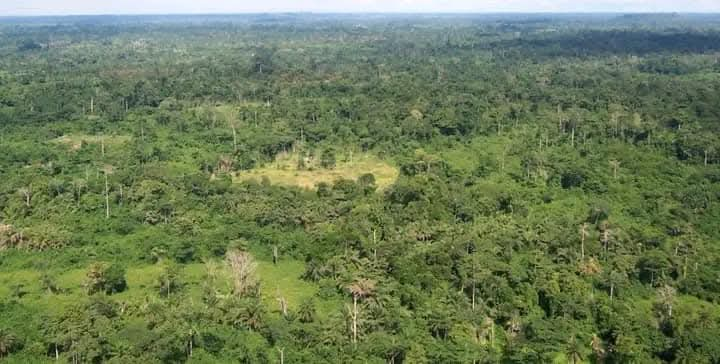
Grand Gedeh County— Once celebrated as Liberia’s third largest forest reserve, Grand Gedeh is now at risk of losing its “forest giant” status. Rapid depletion, illegal settlements, and unchecked resource extraction are eroding the county’s biodiversity, according to the Forestry Development Authority (FDA).
In an exclusive interview, B.M. Weah, Director of FDA Region #4, sounded the alarm over escalating threats. “Our forests are sliding away,” he cautioned, citing unauthorized farming and settlement as the most pressing dangers.
Weah pointed to the influx of foreign nationals, particularly Burkinabés, who are reportedly establishing farms deep inside protected zones. Even more troubling, he said, is evidence that some local residents are aiding these groups, undermining conservation efforts.
“These activities are stripping Grand Gedeh of its natural wealth,” Weah explained. “The collaboration between outsiders and locals is accelerating forest loss at an unprecedented rate.”
Despite these challenges, the FDA has recorded notable progress in wildlife conservation. Through collaboration with the Wild Chimpanzee Foundation, the agency launched a “Petit Cash” initiative to provide economic alternatives to the bushmeat trade.
“We gave $360 in startup capital to individuals who previously relied on bushmeat sales,” Weah said. “This intervention has significantly reduced the killing of protected species across the southeast.”
The program demonstrates how small-scale economic support can yield measurable conservation gains, offering a model for future interventions.
Region #4’s vast forest territory remains difficult to patrol due to manpower shortages. Weah admitted that limited personnel and scarce equipment hinder enforcement. However, he expressed optimism about 2026, citing government and partner commitments.
These measures, Weah said, could help reverse current trends if implemented effectively.
Weah concluded with a direct appeal to the Liberia Immigration Service (LIS) to tighten border controls. Preventing illegal entry, he argued, is critical not only for national security but also for safeguarding Liberia’s forests and wildlife.
“The survival of our natural resources depends on stopping unauthorized access,” he stressed. “Without stronger border enforcement, our conservation efforts will remain vulnerable.”

