


The Liberia Maritime Authority (LiMA) has unveiled ambitious plans to launch a regional ferry service, aiming to transform the nation’s immense shipping registry influence into tangible, localized economic growth.
Despite hosting the world’s largest ship registry by gross tonnage, Liberia’s domestic coastal economy has long remained underdeveloped. This new ferry initiative is a strategic masterstroke to bridge that gap, promising to stimulate intra-African trade, empower local SMEs, and reduce prohibitive transport costs.
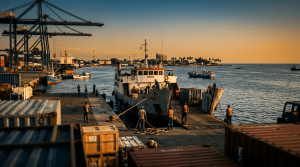
From Global to Local
Under the leadership of LiMA Commissioner/CEO Cllr. Neto Z. Lighe, the maritime authority is shifting its focus closer to home. The proposed regional ferry network is designed to connect Liberia’s coastal cities with neighboring West African ports, facilitating the seamless movement of goods and people.
- Initiative aims to leverage Liberia’s global maritime dominance for local benefit.
- Focus on strengthening small businesses and coastal economies.
- Potential to significantly lower the cost of regional logistics.
Unlocking Economic Bottlenecks
West Africa’s notoriously poor road infrastructure has historically stifled intra-regional trade. By utilizing the Atlantic coastline as a marine highway, the ferry service offers a faster, more reliable alternative. This will particularly benefit agricultural traders and merchants who currently face massive post-harvest losses due to transport delays.
A Catalyst for Integration
The project aligns with broader goals of the African Continental Free Trade Area (AfCFTA). By improving maritime connectivity, Liberia positions itself as a critical logistical hub in West Africa, attracting foreign investment and creating thousands of jobs in the maritime and auxiliary sectors.
“The next frontier is turning maritime strength into faster trade flows and a more competitive coastal economy,” declared the LiMA Commissioner.
- Streamline

