

By Festus Poquie
African governments urged to roll out immediate measures to protect households and stabilize fuel, food and fertilizer supplies as the widening conflict in the Middle East sends oil prices and import costs soaring, regional and U.N. officials said.
On the margins of the 58th session of the United Nations Economic Commission for Africa, leaders from the African Development Bank, the African Union Commission, UNDP and UNECA outlined a three-horizon plan aimed at cushioning the continent from rapid spillovers of the crisis.
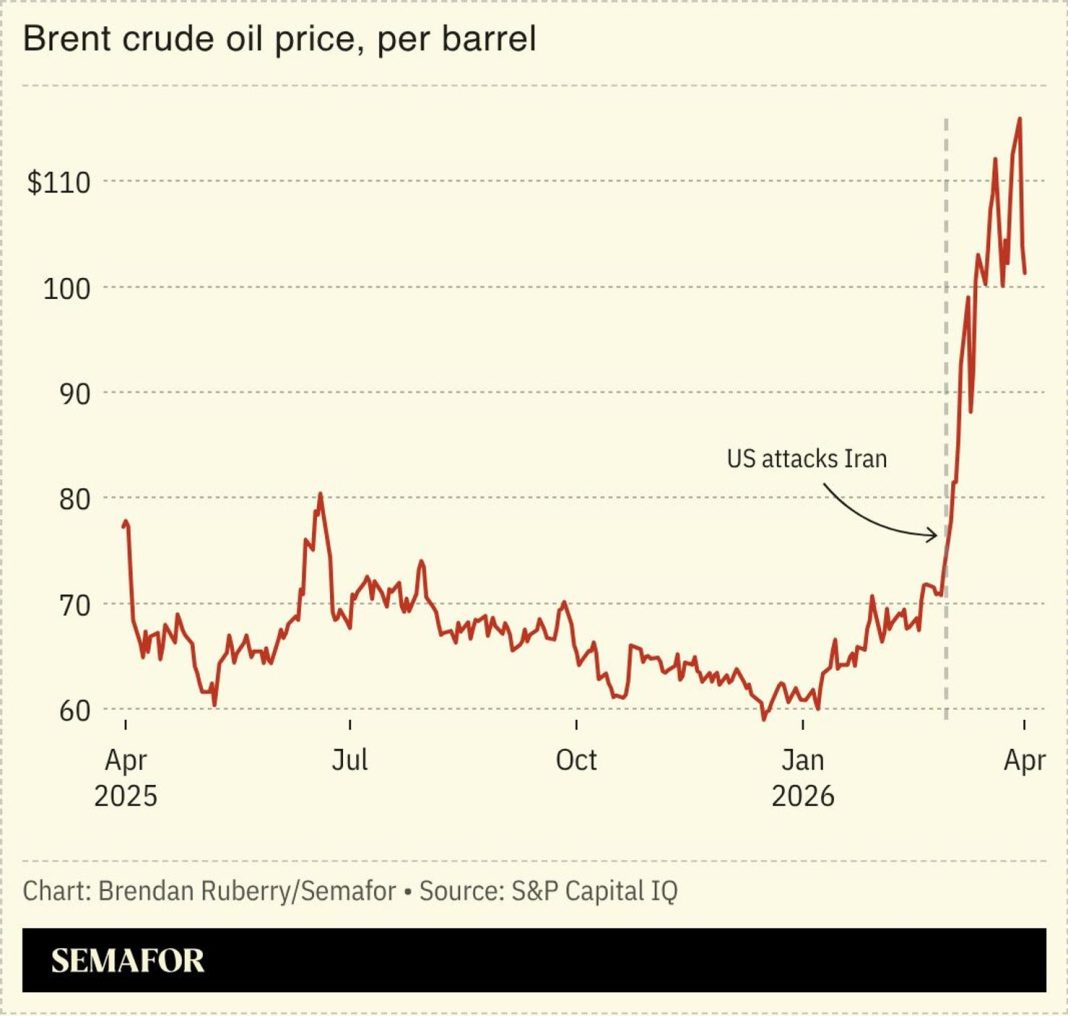
The US-Israel-Iran conflict has pushed global oil prices above $100 a barrel as of March 2026, causing significant fuel price increases across Africa, including Liberia. Because Liberia imports all its petroleum, it faces severe economic pressure from higher transport, food, and electricity costs.
The institutions warned the shocks are transmitting faster and through more concentrated channels than past global disruptions, leaving little time for adjustment.
“Continued escalation of the conflict worsens global instability, with serious implications for energy markets, food security, and economic resilience, particularly in Africa where economic pressures remain acute,” said Mahmoud Ali Youssouf, chairperson of the African Union Commission.
The brief notes global oil prices had surged more than 50% as of late March and that 29 African currencies have weakened, increasing the cost of servicing external debt and importing essentials.
Officials also flagged disruptions to Gulf energy supplies that limit access to ammonia and urea during the critical March–May planting season, threatening agricultural output and raising the risk of crisis level food insecurity in import dependent and low-income households.
“This moment calls for decisive action, to protect people now, but also to accelerate Africa’s long-term push towards energy security, food sovereignty, and financial self-reliance,” said Claver Gatete, UN Under Secretary General and executive secretary of UNECA.
“Africa must finance more of its own future and strengthen regional solutions that build resilience before the next shock hits.”
The institutions urged immediate crisis response measures by national governments, supported by development partners and the private sector, to cushion households and stabilize fuel, food and fertilizer supplies.
Medium-term reforms recommended include bolstering energy security, expanding targeted social protection and deepening regional trade under the African Continental Free Trade Area.
Over the long term, the brief called for stronger domestic resource mobilization and accelerated implementation of African financial safety nets, including the African Financing Stability Mechanism.
“With the right mix of policy choices, financing tools, and political resolve, Africa can weather this shock and emerge more resilient,” said Ahunna Eziakonwa, UN assistant secretary-general and director of UNDP’s Regional Bureau for Africa.
Sidi Ould Tah, president of the African Development Bank Group, said African institutions and partners must act “swiftly and in concert” to cushion short-term shocks while laying the foundations for longer-term resilience through regional integration and African led financial solutions.
Policy makers face a narrow window to blunt the immediate social impact: stabilizing fuel subsidies or targeting them to the most vulnerable, securing emergency fertilizer and food imports, and expanding cash transfers can limit household distress, officials said. Failure to act, they warned, risks deepening poverty and undermining recovery across the continent.

