

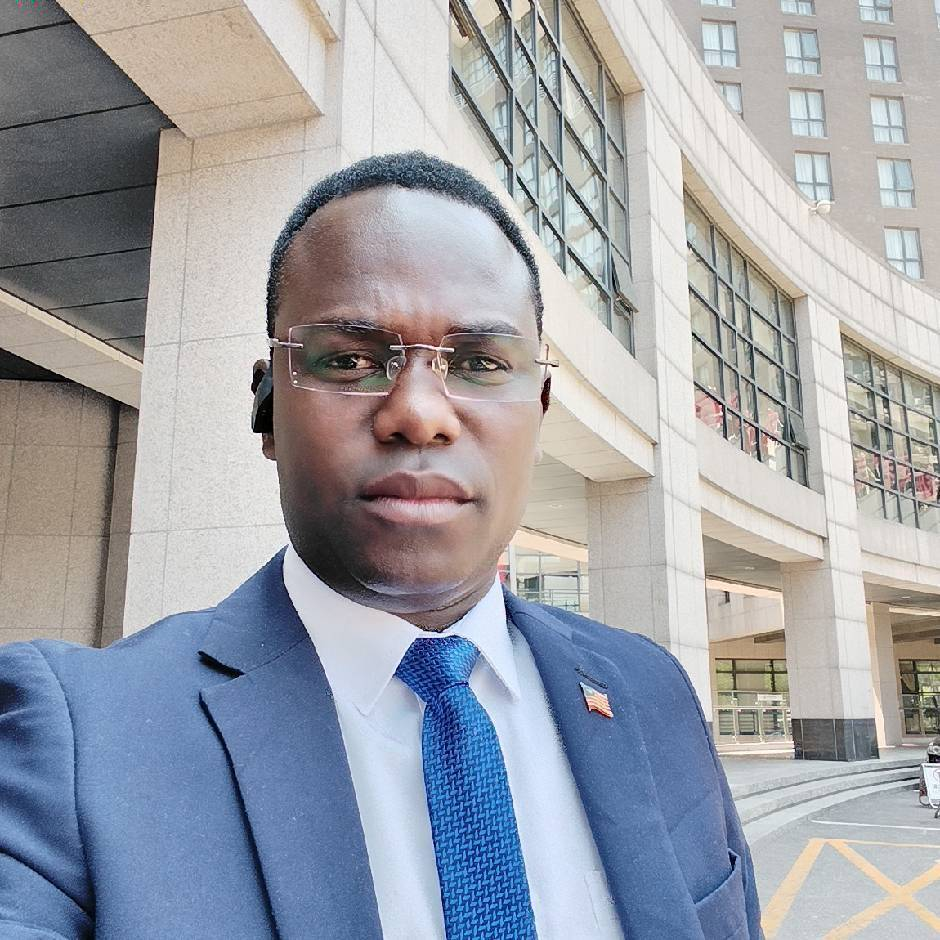
Africa’s cultural destiny was thrust into the global spotlight this week as Emmanuel Fred, Liberia’s Assistant Minister for Operations at the Ministry of Posts and Telecommunications, delivered a stirring call to action at a landmark UNESCO forum on the digital future of cultural and arts education.
The dialogue, co-convened by Africa Open University (AOU) during UNESCO International Arts Education Week, carried the theme: “Openness · Heritage · Innovation: The Digital Future of Cultural and Arts Education in Africa.” It brought together scholars, educators, cultural practitioners, youth leaders, and institutional partners from Africa, China, Europe, and beyond to explore how Open Educational Resources (OER), digital innovation, and international cooperation can transform cultural education across the continent.
Fred’s remarks electrified the gathering. He underscored the urgency of documenting Liberia’s oral traditions—from music and dance to storytelling and indigenous knowledge—warning that many cultural treasures remain undocumented. “Our heritage is rich, but without documentation and digital integration, much of it risks being lost,” he declared, urging stronger collaboration among educational institutions, cultural bodies, communities, and youth organizations.
The forum featured a chorus of voices reinforcing the need for responsible innovation. Jing Zhang of the Global Youth Digital Culture Alliance advocated for digitizing heritage with inclusion at its core. Professor Yuguang Zhou of China Agricultural University linked cultural preservation with sustainable technology, highlighting cooperation in renewable energy and agriculture. A Paris based scholar cautioned that technology must complement—not replace—traditional cultural transmission.
Liberian cultural advocate V. Marshall Sambolla reflected on Africa’s pre digital education rooted in storytelling and community learning, while Ghana’s Stephen Essien urged youth to stay connected to languages and histories even as they embrace digital tools. Dr. Clinton Mutali Lichuma of Kenya emphasized community consent in documenting indigenous knowledge and strengthening teacher training.
The forum underscored Africa’s unique opportunity to blend tradition with digital innovation. By responsibly harnessing technology, nations can preserve cultural heritage while empowering youth to thrive in a globally connected future.
Fred’s intervention positioned Liberia as a bold champion of Africa’s digital cultural renaissance. His call to action resonated across the forum: document traditions, digitize heritage, and innovate responsibly. As Africa stands at the crossroads of tradition and technology, the message was clear—digital tools must serve as bridges, ensuring the continent’s cultural wealth is preserved, celebrated, and shared with the world.

