

Liberian opposition leader Alexander Cummings said the Unity Party Alliance government has compromised the investigation into the country’s $19 million cocaine seizure, escalating pressure on President Joseph Boakai’s administration just days after senators voiced skepticism about the security chiefs handling the probe.
Cummings, who heads the Alternative National Congress, said Monday that the government’s response to the June 8 airport bust has been “secretive, slow, and seemingly compromised,” and called for international investigators and regional bodies to help preserve evidence and review the case.
He said the administration has offered “confusion instead of clarity” more than a month after authorities intercepted 198 compressed plates of cocaine or about 238 kilograms at Roberts International Airport.
Police Inspector General Gregory Coleman has acknowledged that the drug cartel attempted to bribe security officers, though he has not identified which officers were approached or whether any members of the force took part in the trafficking network.
The case has become a political flashpoint for Boakai’s government, which ordered a joint national security investigation and a subpoena for shipment records shortly after the seizure. Justice Minister and Attorney General Oswald Tweh later named 10 people of interest drawn from the cargo, airport screening, security, intelligence and transport chain, while stressing that they were not yet accused of wrongdoing. Five persons have been charged and one on trial while the whereabouts of the remain four remains unknown.
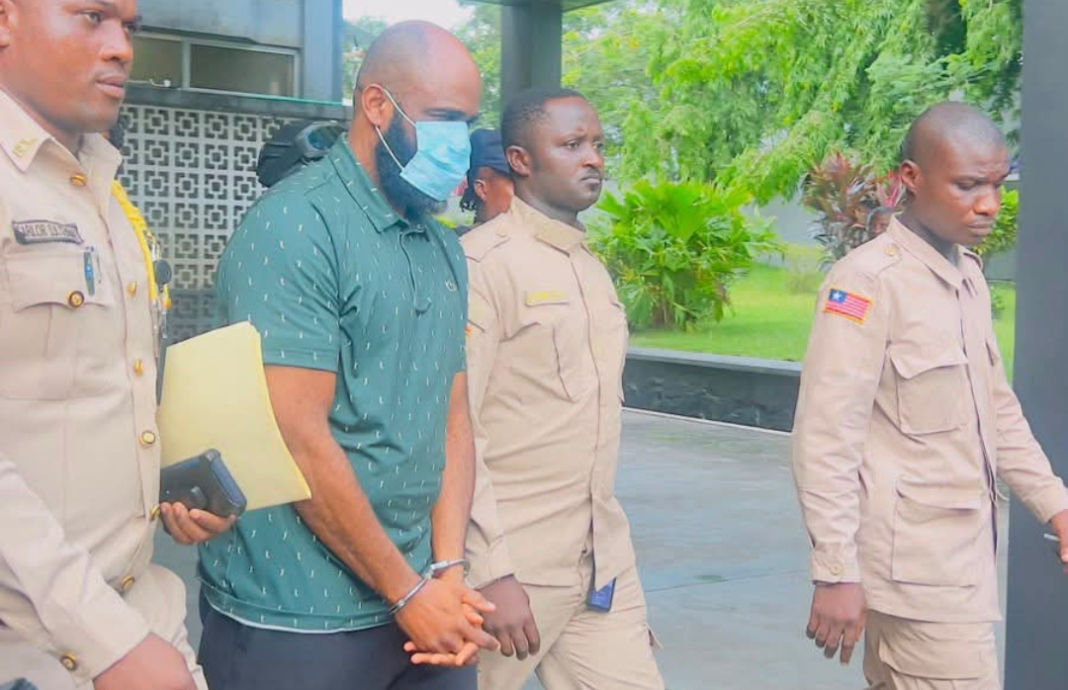
But the probe has struggled to reassure critics. Court proceedings have been delayed by a missing case file, and the man authorities describe as the alleged organizer, Michael U.S. Browne, also known as Rahim or Raheem Bah, remains at large. The only suspect in custody, logistics manager of local firm GLS – Paul J. King, surrendered after returning from the United States.
Cummings said the scale of the shipment suggests it could not have moved through the country “without the knowledge and authority of people who have significant power,” and argued that the pattern of arrests points to “collusion between state security personnel and the big hands within or close to the corridors of power.”
His comments echoed early concerns raised by senators, including Edwin Melvin Snowe Jr. and Amara Konneh, who pushed for a special session to question why some people identified during the investigation were left the country before arrests were made.
The ANC leader said he will personally appeal to international partners to investigate the case, preserve records and audit the process, and urged the Mano River Union and ECOWAS to activate early-warning mechanisms to ensure suspects are apprehended.
He also linked the cocaine case to wider concerns about governance, citing other controversies including the Foya construction project and a border dispute with Guinea.
Liberian authorities have said the seizure was one of the largest in the nation’s history and a sign of their commitment to combating trafficking, but the political backlash has intensified as the probe has stretched on with limited arrests and unanswered questions. Cummings said failing to act decisively could undermine investor confidence and damage Liberia’s standing with international partners.

