

Liberia’s two-decade-old Mining and Minerals Law is on the brink of a major transformation, as lawmakers intensify scrutiny of illicit mining, environmental damage, and regulatory gaps undermining the sector.
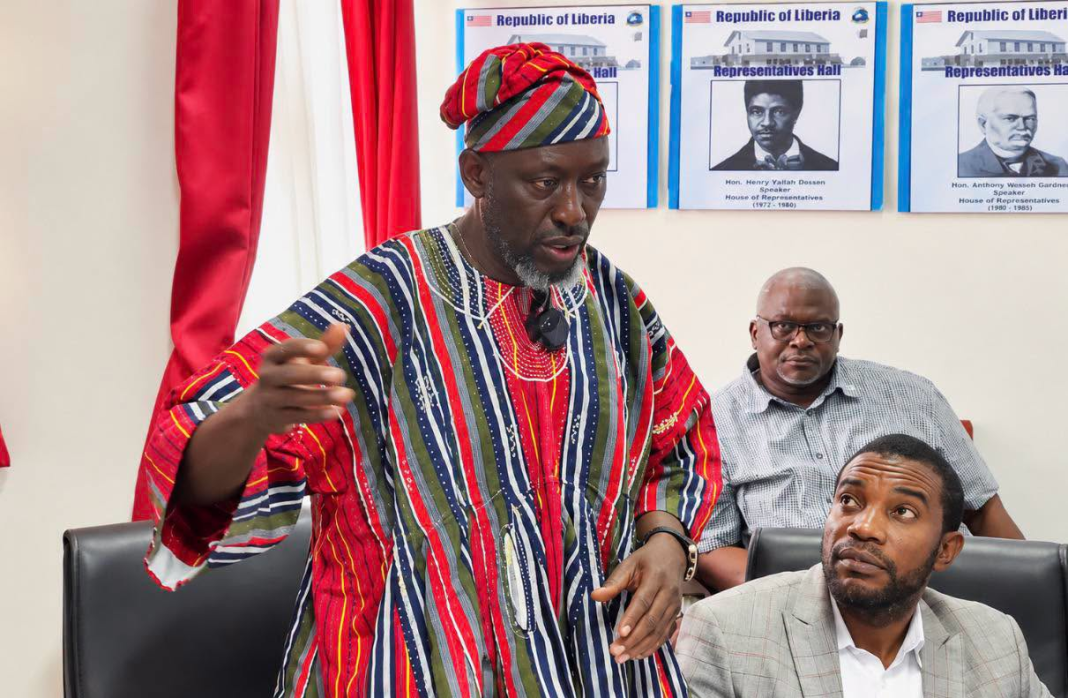
The House Committee on Lands, Mines, Energy, Natural Resources and Environment, chaired by Grand Gedeh District #1 Representative Jeremiah G. Sokan Sr., convened a public hearing Thursday to assess the state of mining governance. The session spotlighted mounting concerns over illegal operations and the urgent need for a modern legal framework.
The Protect Our Resources Taskforce (PORT), established under President Joseph Nyuma Boakai’s Executive Order No. 167, presented findings that illicit mining could drain Liberia of up to US$1.6 billion in mineral resources and revenues. PORT warned of increasingly mechanized operations and the dangerous use of mercury and cyanide in gold processing.
Recommendations included tougher penalties, streamlined seizure and forfeiture procedures, dismantling illicit mining networks, and stronger inter-agency coordination.
Committee Chairman Sokan emphasized that prior hearings revealed the 2000 Mining and Minerals Law is no longer fit for purpose.
“From those public hearings we established clearly that our country mining laws need not only amendments, but a total overhaul,” he declared.
Assistant Mines Minister Sumo Samuel Momolu confirmed the Ministry of Mines and Energy now supports drafting a new law rather than amending outdated legislation. He cited institutional changes since 2000, including the creation of the Environmental Protection Agency and Public Procurement Commission.
Momolu estimated the process could take 18 months and cost between US$1.5 million and US$2 million. The Law Reform Commission echoed the call, urging that gold-sector reforms be integrated into the broader Millennium Challenge Corporation–supported review of mining regulations.
Notably absent from Thursday’s hearing were the Environmental Protection Agency, Ministry of Finance and Development Planning, and Governance Commission. The Committee directed the Chief Clerk to summon the agencies to appear Monday, September 21, warning they could face contempt charges for obstructing legislative oversight.
The Committee intends to submit its findings to House leadership when plenary resumes in October. Lawmakers aim to finalize the mining-law overhaul by 2027, setting the stage for a new era of accountability, environmental protection, and revenue mobilization in Liberia’s extractive industry.

