

By E. J. Nathaniel Daygbor
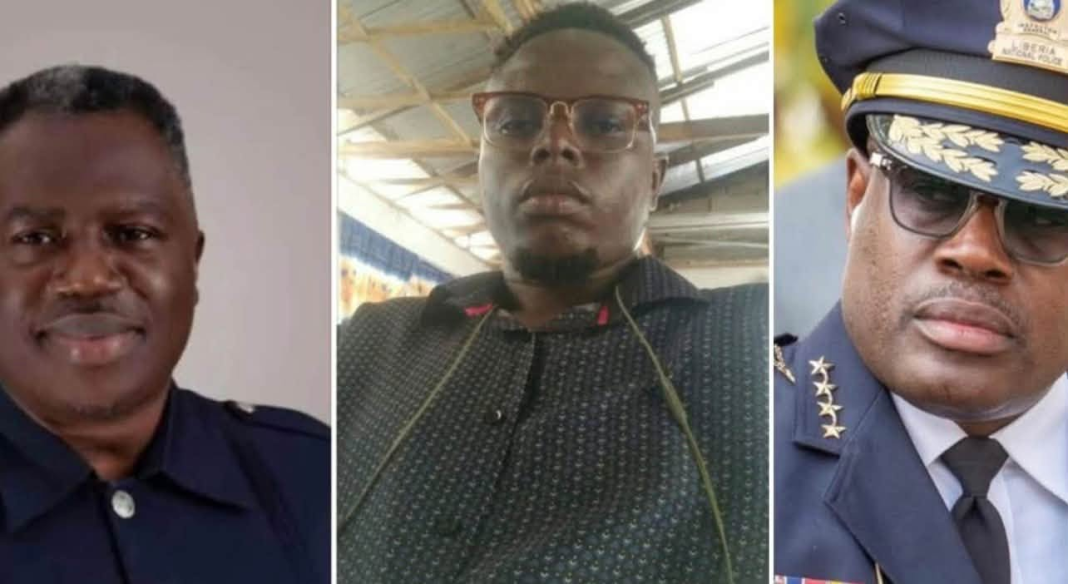
Liberia’s Police Inspector General, Col. Gregory O. W. Coleman has rejected Vice President Jeremiah Kpan Koung’s request to release Jerry Nyantee Wrato, the man accused of creating an artificial intelligence‑generated photo of the Vice President.
In a letter dated September 21, 2026, and obtained by this paper, IG Coleman declared that the Liberia National Police (LNP) must proceed with the case, citing alleged criminal violations under the Cybercrime Act of 2025.
According to Coleman, investigators have completed their probe and intend to charge Wrato with four offenses: Misuse of Devices, Cyberstalking, Distribution of Data Messages That Incite Damage to Property or Violence, and Distribution of Harmful Data Messages. The charges fall under Sections 10.1, 15.1, 18.1, and 19.1 of the Act.
“The matter has reached a stage where the judiciary must now take charge,” Coleman wrote, stressing that Wrato will be formally arraigned in court tomorrow morning. He underscored that police action does not equate to guilt, noting that Wrato remains presumed innocent until proven otherwise.
The Inspector General’s firm stance signals a rare rebuff of executive influence, as Vice President Koung had reportedly sought Wrato’s release. Coleman maintained that only the courts can determine the outcome, insisting that due process must prevail.
The case has sparked debate over the boundaries of free expression, digital innovation, and criminal liability in Liberia’s evolving cyber landscape. Legal analysts say it could set a precedent for how the country confronts the misuse of emerging technologies.
As Wrato heads to court, the confrontation between the nation’s second‑highest political office and its top police authority underscores the growing tension between political power and the rule of law in Liberia’s digital age.

