

Liberia’s police chief has moved to prosecute a man accused of using artificial intelligence to depict Vice President Jeremiah Kpan Koung in a humiliating scene at a Brussels airport, proceeding with criminal charges despite Koung’s public request that the suspect be released.
The decision puts an unusual question at the center of Liberia’s new cybercrime regime: How much authority does a senior law-enforcement official have to continue a case when the alleged victim — the country’s vice president — says he does not want to pursue it?
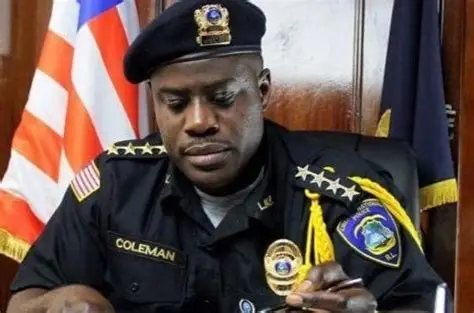
Inspector General Gregory Coleman said in a letter to the Vice president Monday, the police had completed its investigation of Jerry Nyantee Wrotto and would send him before a court on four alleged cybercrime offenses.
The charges include misuse of devices, cyberstalking, distributing data messages allegedly capable of inciting damage to property or violence, and distributing harmful data messages.
Police cited Sections 10.1, 15.1, 18.1 and 19.1 of Liberia’s Cybercrime Act of 2025.
Coleman said the police had a statutory obligation to investigate suspected criminal conduct and act according to the evidence and applicable law. The police said the vice president’s decision to show compassion toward Wrotto did not determine whether the state should prosecute.
The development came after Koung publicly called for Wrotto’s release and said he did not intend to pursue criminal charges over the material. Reports said the vice president contacted Coleman after learning of the arrest.
That sequence has given the case significance beyond the alleged cyber offense. The person depicted in the disputed content is the second-highest elected official in Liberia, yet the police chief has continued with the prosecution after that official asked that the suspect be freed.
The episode creates the appearance that the police chief can override the vice president’s expressed wishes in a case involving the vice president himself.
– Festus Poquie

