

By E. J. Nathaniel Daygbor
Climate change is no longer a distant environmental concern. Across Liberia, its effects are being felt in flooded communities, eroded coastlines, damaged farmlands, and increasing threats to livelihoods.
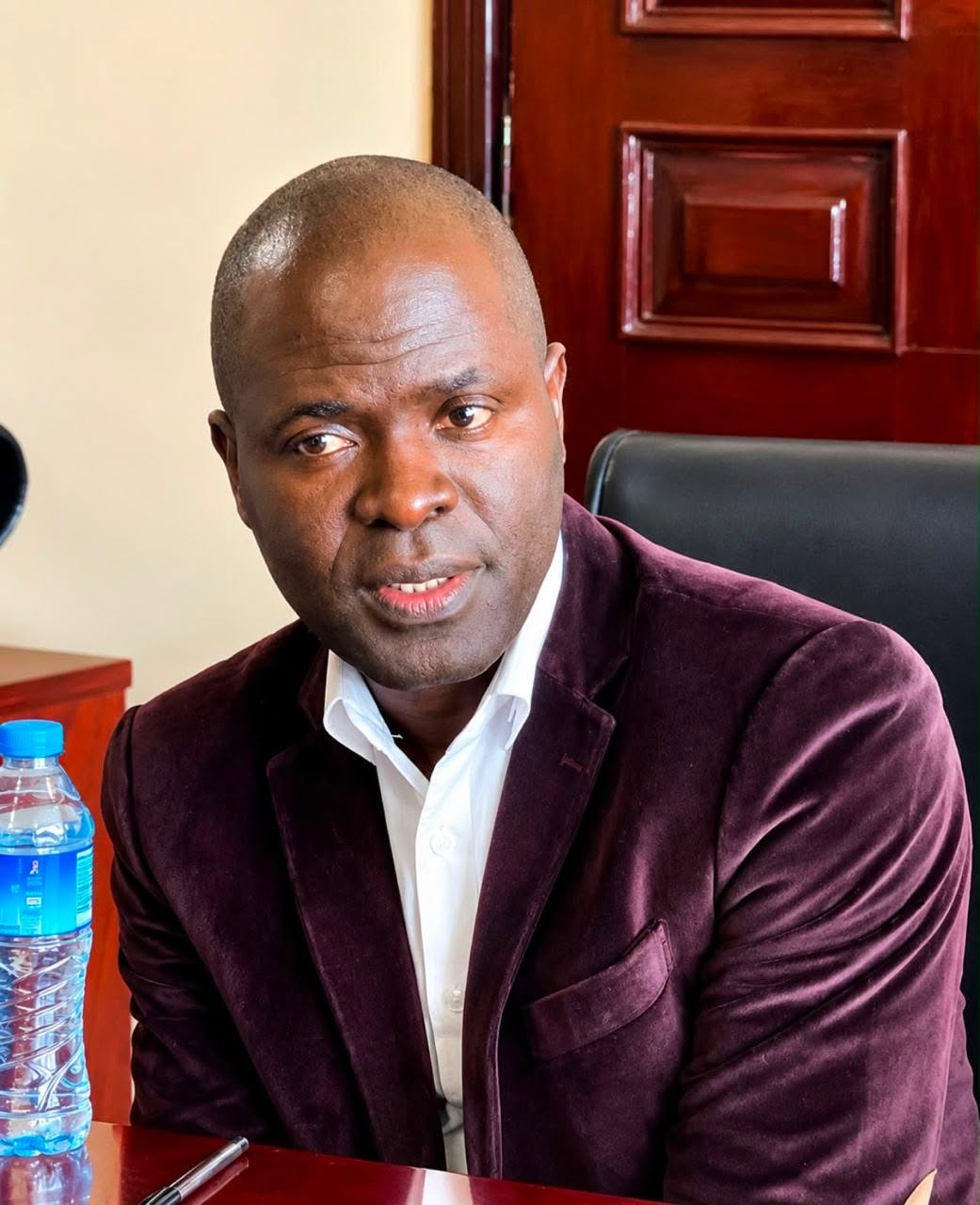
According to Environmental Protection Agency (EPA) Executive Director Dr. Emmanuel King Urey Yarkpawolo, understanding the impacts of climate change is critical to protecting communities and securing the country’s future.
Dr. Yarkpawolo explained that climate change refers to long-term shifts in the Earth’s temperatures and weather patterns. While weather describes daily conditions such as rainfall, sunshine, or wind, climate reflects the expected patterns over many years, including the country’s familiar rainy and dry seasons.
Scientists have largely attributed the warming of the planet to human activities that release greenhouse gases into the atmosphere. The burning of fossil fuels such as coal, gasoline, diesel, and natural gas releases carbon dioxide and other heat-trapping gases. Deforestation further intensifies the problem by reducing the number of trees available to absorb carbon dioxide from the atmosphere.
Although Liberia contributes only a negligible share of global greenhouse gas emissions, it remains among the countries most vulnerable to climate-related impacts. The nation’s heavy dependence on agriculture, its extensive coastline, and limited infrastructure leaves many communities exposed to environmental shocks.
Along Liberia’s coastline, rising sea levels continue to increase the risks of flooding and erosion, threatening homes, businesses, roads, and critical public infrastructure. Communities located near the ocean face mounting pressure as valuable land is gradually lost to encroaching waters.
Farmers are also experiencing the effects of changing weather patterns. Unpredictable rainfall, prolonged dry spells, intense storms, and rising temperatures are making agricultural planning increasingly difficult. Reduced crop yields not only affect household incomes but also place pressure on national food security.
The consequences extend beyond agriculture. Flooding can contaminate water sources, damage transportation networks, and disrupt access to schools, markets, and healthcare facilities. Extreme heat further challenges outdoor workers, while vulnerable households often struggle the most to recover from climate-related disasters.
However, Dr. Yarkpawolo cautioned that climate change is not solely responsible for every environmental disaster. Poor urban planning, blocked drainage systems, and the destruction of wetlands frequently worsen flooding and erosion. Addressing these local challenges, he noted, is just as important as confronting the broader climate crisis.
To strengthen the country’s resilience, the Liberian government, through the EPA and its partners, has initiated several climate adaptation and mitigation programs. Coastal protection projects are currently underway in Sinoe County and the Greater Monrovia area to reduce the impacts of coastal flooding and erosion while safeguarding livelihoods.
The government is also investing in stronger weather forecasting and early-warning systems through the Climate Information Systems Project. The initiative seeks to improve access to timely weather information, enabling farmers, fishermen, and local communities to better prepare for severe weather events.
In an effort to promote environmental sustainability, the EPA has collaborated with the Monrovia City Corporation, the Liberia Water and Sewer Corporation, and international partners to establish a composting facility in Fiamah.
The facility converts organic waste into compost that can enhance soil quality and agricultural productivity, demonstrating how improved waste management can support both environmental protection and food production.
The EPA has additionally expanded enforcement of environmental regulations nationwide. Inspections have been conducted across all 15 counties, covering mining operations, industrial facilities, waste management sites, and coastal communities. These efforts have resulted in the suspension of illegal activities, corrective actions, and penalties for environmental violations.
Despite these initiatives, significant challenges remain. Coastal defenses, drainage infrastructure, environmental monitoring systems, and climate adaptation programs require substantial and sustained investment. Limited financial resources, equipment shortages, and capacity constraints continue to hinder progress.
Dr. Yarkpawolo emphasized that major industrialized countries bear a greater responsibility for addressing climate change because they have historically contributed the largest share of greenhouse gas emissions. He called for deeper emissions reductions by major polluters and increased financial support for vulnerable developing countries.
Under the Paris Agreement, developed nations are expected to assist developing countries with climate financing, technology transfer, and capacity-building efforts. Liberia, he said, requires greater access to these resources to strengthen resilience and protect communities facing the greatest risks.
While international support remains crucial, the EPA Executive Director stressed that Liberians must also play their part. Citizens can help by preventing pollution, keeping drainage systems clear, avoiding waste burning, conserving energy, and complying with environmental regulations. Businesses, educational institutions, faith-based organizations, traditional leaders, and the media also have vital roles to play in raising awareness and promoting environmentally responsible behavior.
“Every Liberian deserves a safe home, clean water, dependable food, and a secure future,” Dr. Yarkpawolo said. “Protecting Liberia from the growing impacts of climate change is a shared responsibility that requires action from government, citizens, businesses, and the international community alike.”
As climate threats intensify, the challenge facing Liberia is not merely environmental, but economic, social, and developmental. Meeting that challenge will require coordinated national action and stronger global solidarity.

